Cardio & Conditioning for Core
Published 26 Nov 2026
Meets Patient’s editorial guidelines
Watch this video
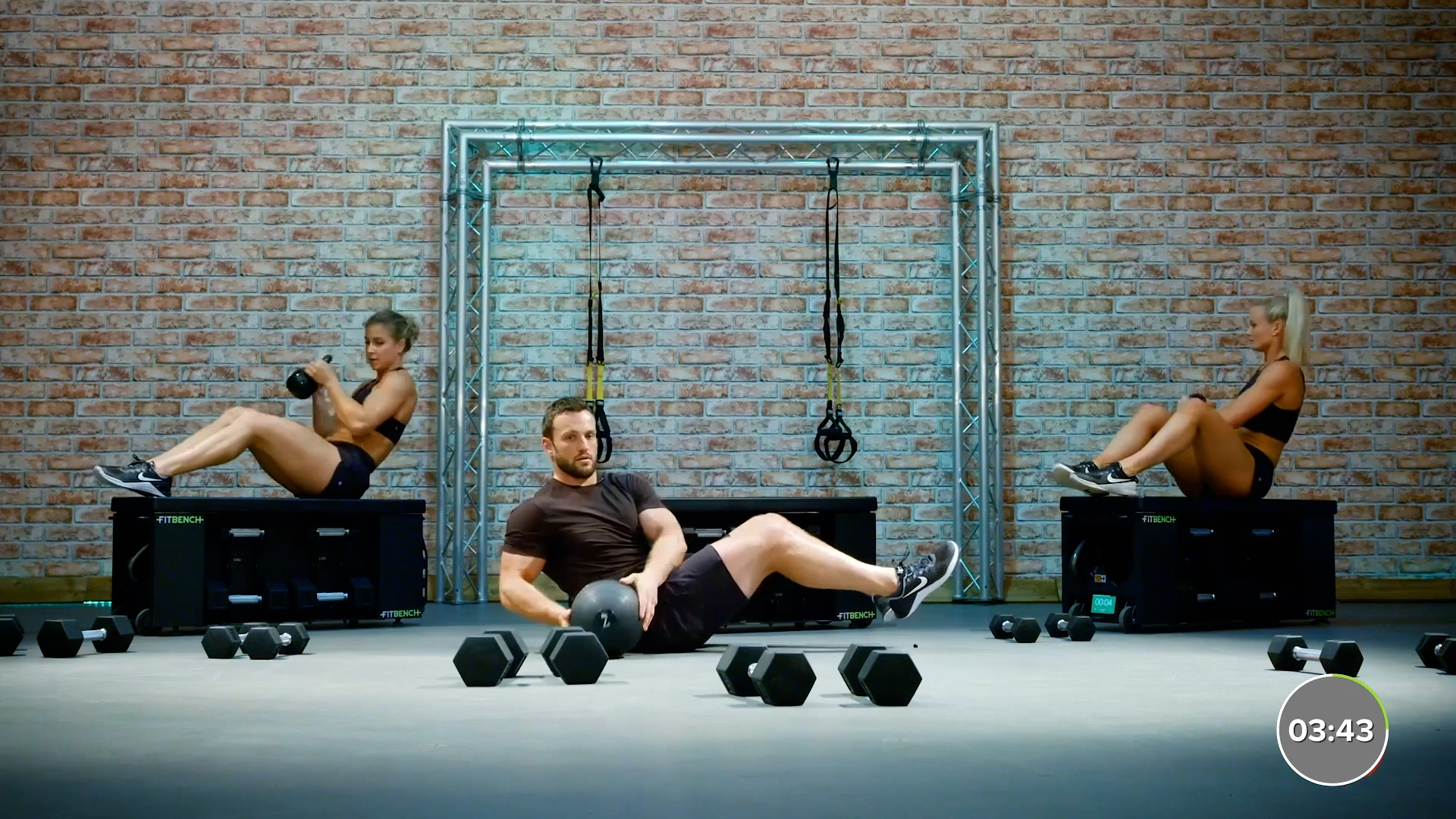
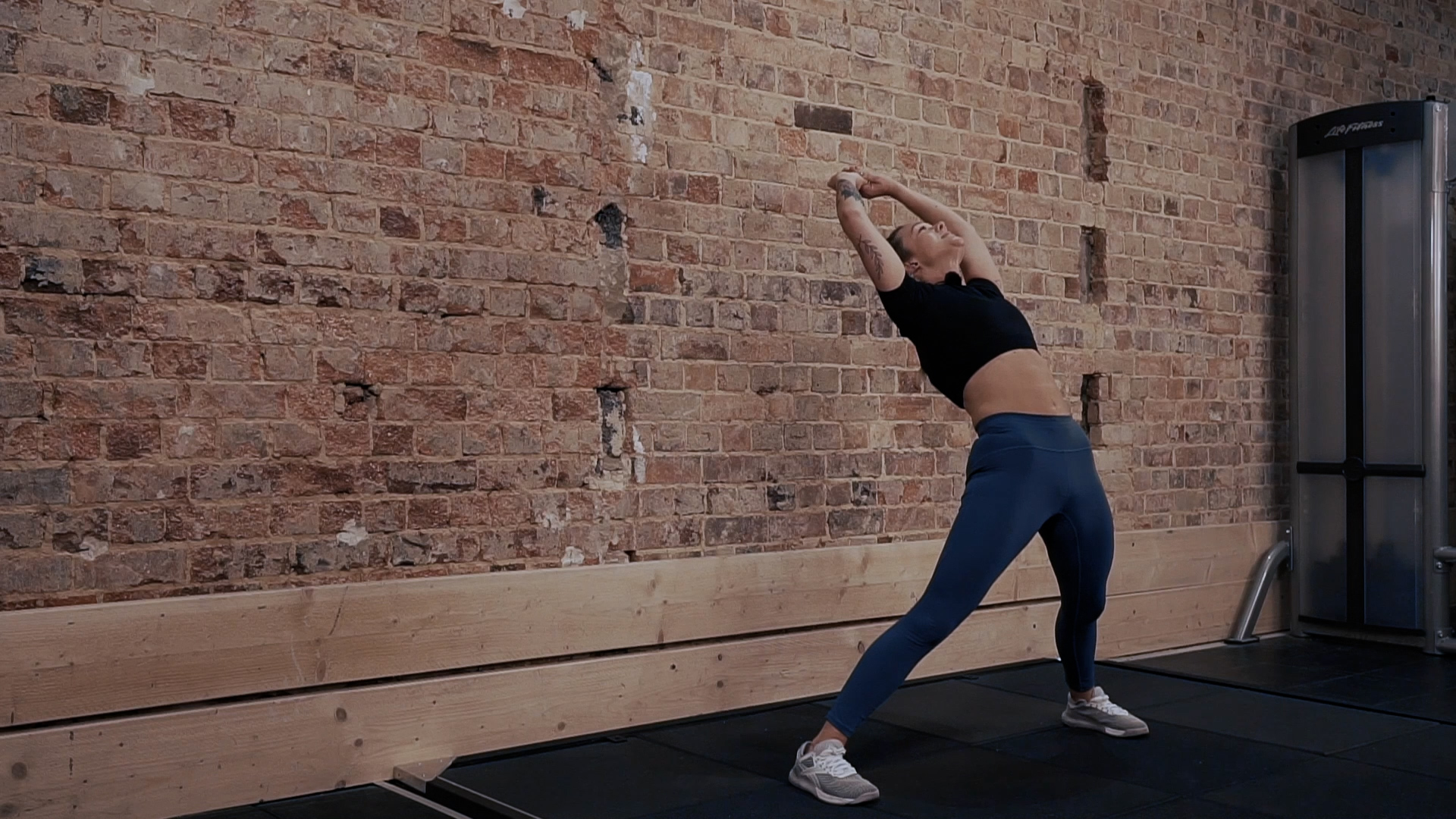
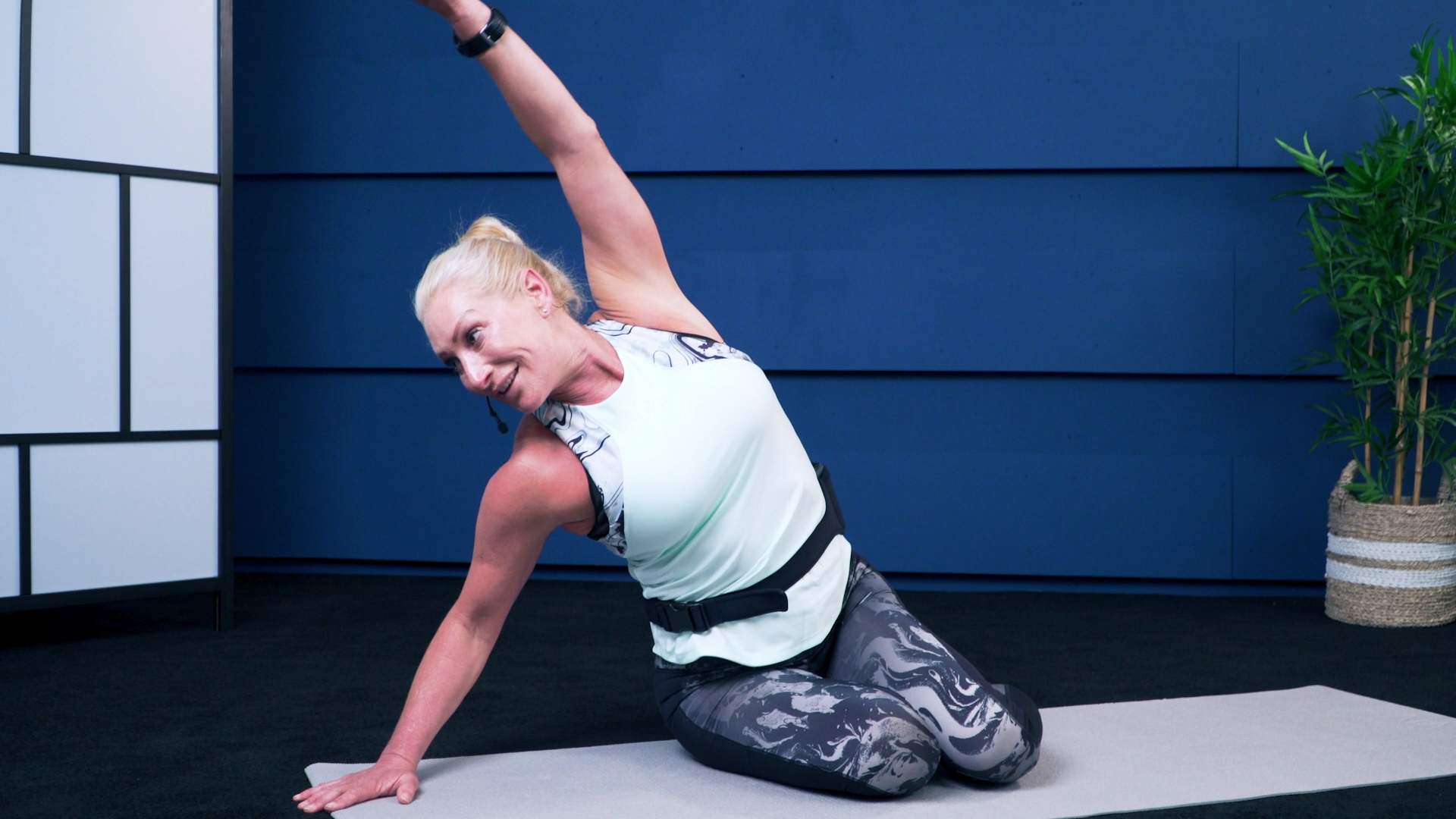
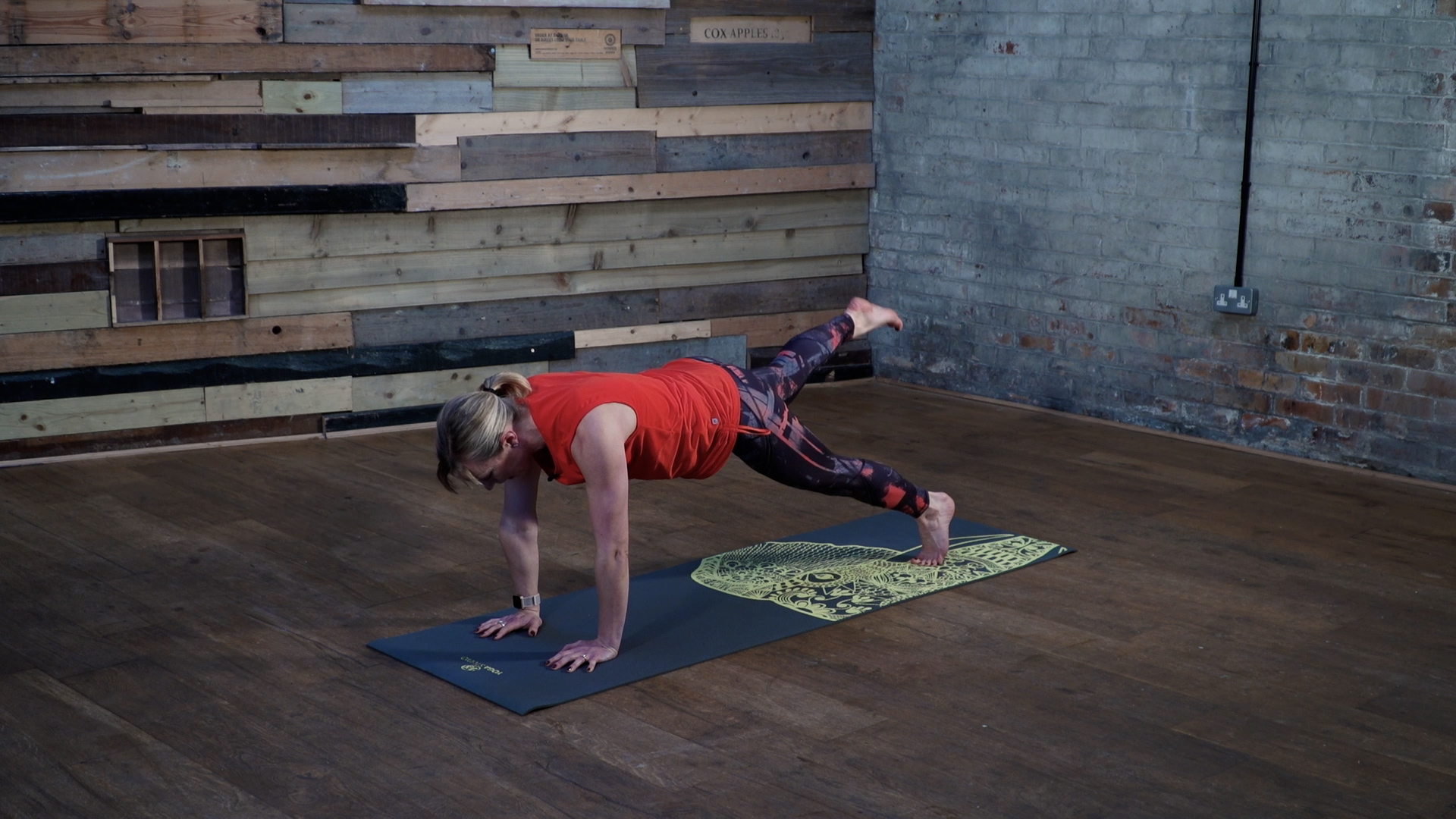
Mandy's Cardio and Conditioning for Core program focuses on building a strong and stable core for enhanced fitness and posture.
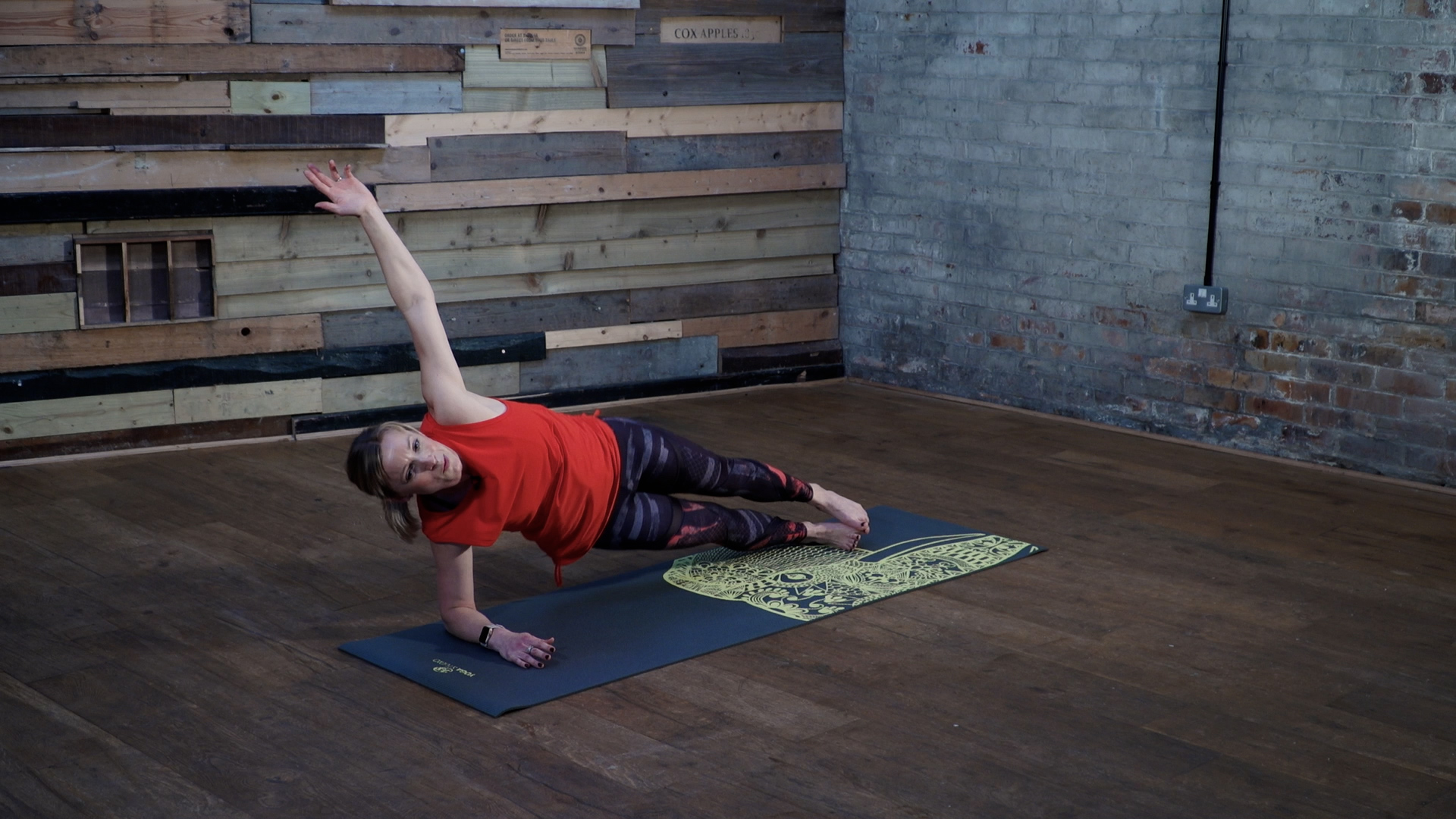
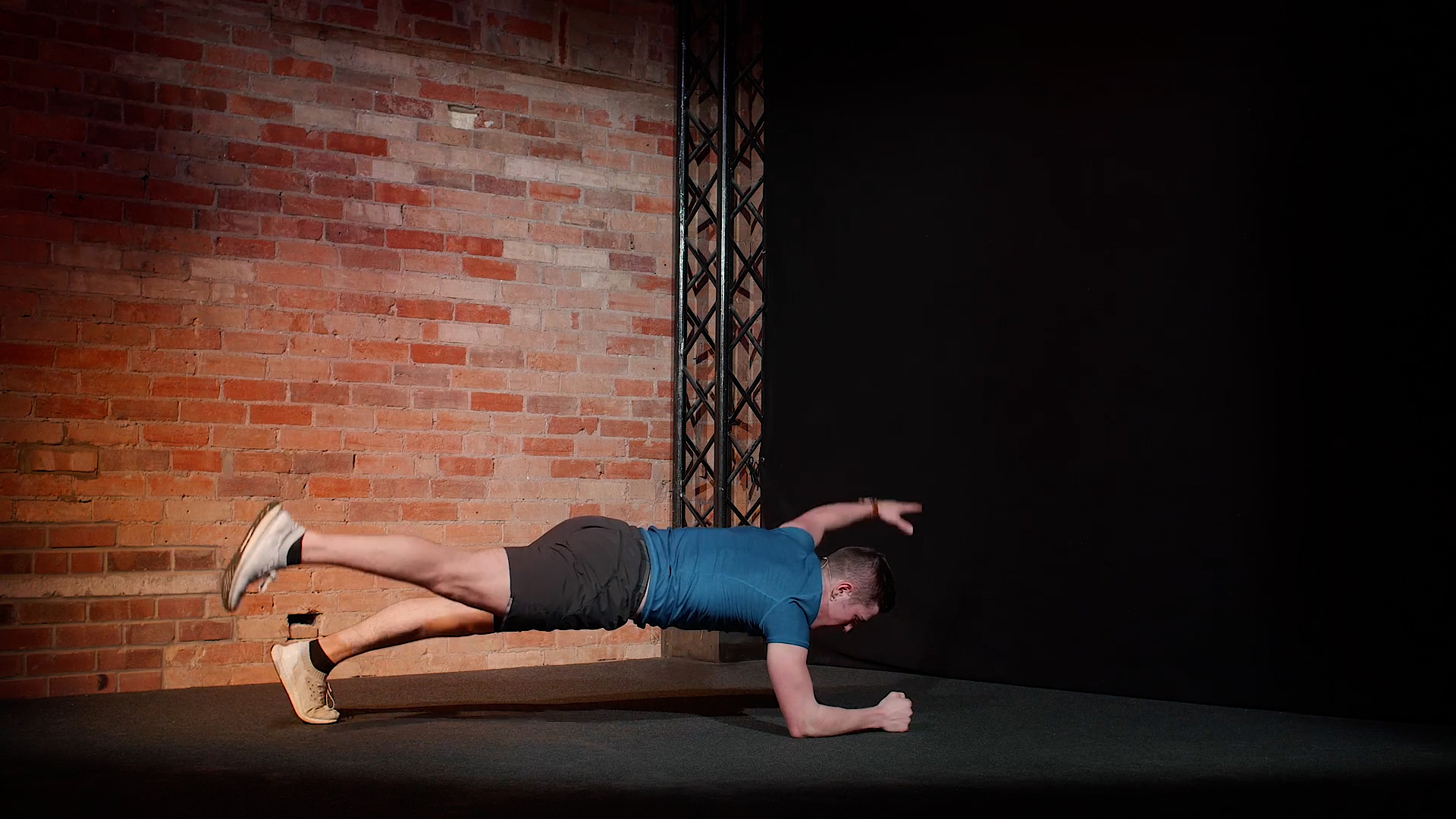
Video details

Diet and nutrition
Are pumpkin seeds good for you?
Pumpkin seeds aren't just for Halloween. While they might remind you of carving autumn jack-o'-lanterns, many people enjoy them year-round for their health benefits. Let’s take a closer look at what pumpkin seeds have to offer and see if they deserve a permanent spot in your diet.
by Victoria Raw

Mental health
Halloween - making 'scary season' work for everyone
Whether it’s social pressure, a higher tolerance for ‘jump scares’, or a need to perform for the ‘gram, Halloween seems to have become a month-long fear-fest. But where does the shock and gore leave people who don’t want extreme horror? If your family or friendship group is a mix of fright fans and apple bobbing enthusiasts, read on to help everyone make the most of scary season.
by Claire Kenny
Healthy living
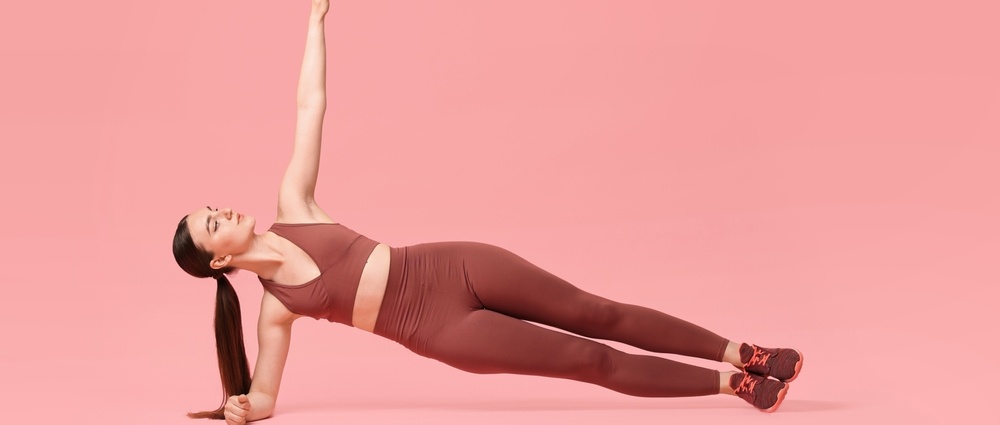
How to strengthen your core
When it comes to building muscle, improving your core muscle strength has benefits that extend beyond toned abs. Core strength exercises can also give you better balance, stability, and good posture, and prevent or treat back pain. Better still, they can be performed in the comfort of your home, and there are many to choose from and incorporate into your exercise routine.
by Lynn Stephen
Heart health and blood vessels
Cardiovascular disease
Cardiovascular diseases (CVD) is a general term to describe diseases of the heart or blood vessels. The cause of most cardiovascular disease is a build-up of atheroma - a fatty deposit within the inside lining of arteries. The blood flow to the heart muscle may also be restricted by a blood clot in an artery taking blood to the heart muscle (coronary artery disease). Atheroma or a blood clot may also restrict or prevent blood going to the brain (cerebrovascular disease) or to the legs and feet (peripheral arterial disease). There are lifestyle factors that can be taken to reduce the risk of forming atheroma. These include not smoking; choosing healthy foods; a low salt intake; regular physical activity; keeping your weight and waist size down; drinking alcohol in moderation. Your blood pressure and cholesterol level are also important. All people aged over 40 years should have a cardiovascular health risk assessment - usually available at your GP surgery. If you have a high risk of developing a cardiovascular disease, treatment to reduce high blood pressure (hypertension) and/or cholesterol may be advised.
by Dr Colin Tidy, MRCGP
Senior health
Exercise for healthy ageing
Staying strong, flexible, and mobile as you age can protect your independence, reduce frailty, and help you enjoy life more. From building muscle to protecting your joints, we asked the experts for practical strategies that will help you move better, feel steadier, and stay active for years to come. Read on to discover the actions you can take that make the biggest difference.
by Lawrence Higgins
Heart health and blood vessels
Cardiovascular health risk assessment
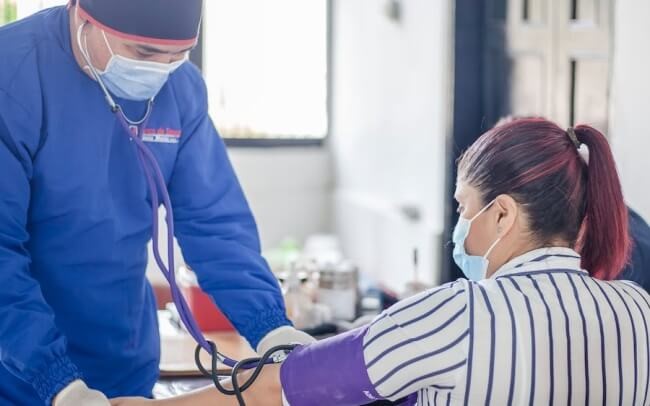
A cardiovascular health risk assessment provides an accurate estimate of your risk of developing cardiovascular disease (eg, angina, heart attack, stroke or peripheral arterial disease) over the following 10 years, and provides an opportunity for you to make any changes that will reduce this risk. If you already have a cardiovascular disease or diabetes then your risk does not need to be assessed because you are already in the high-risk group.
by Dr Colin Tidy, MRCGP
Share your thoughts or experiences with others in our patient communities.