
Video: How do you know if you're intolerant to dairy?
Peer reviewed by Dr Sarah JarvisAuthored by Rose Constantine Smith, ANutrOriginally published 25 Jun 2018
Meets Patient’s editorial guidelines
- DownloadDownload
- Share
- Language
- Discussion
- Audio Version
- Add to preferred sources on Google
Having an intolerance to lactose means that your digestive system struggles to process foods containing lactose. Our experts take a look at what this could mean for you.
Playlist: How do you know if you're intolerant to dairy?
4 videos
How do you know if you're intolerant to dairy?
Rose Constantine Smith, ANutr
How do you know if you're intolerant to dairy?
Rose Constantine Smith, ANutr
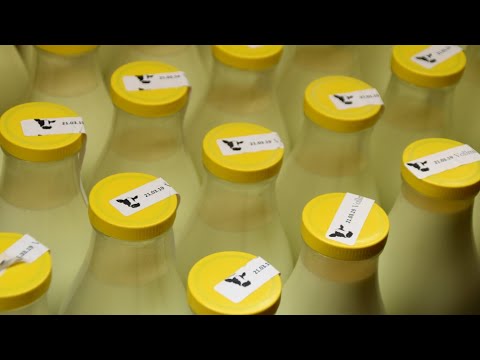
Can I eat dairy if I'm lactose intolerant?
Rose Constantine Smith, ANutr

How can I eat healthily if I'm intolerant to lactose?
Rose Constantine Smith, ANutr

What should I eat if I'm breastfeeding any my child has cow's milk allergy?
Rose Constantine Smith, ANutr
Patient picks for Food allergy and intolerance

Allergies, blood and immune system
What is gluten intolerance?
Gluten intolerance, also known as non-coeliac gluten sensitivity, is a food intolerance toward the protein gluten that can cause discomfort and pain after it's eaten. Not to be confused with coeliac disease - an autoimmune disease caused by gluten - the symptoms of gluten intolerance are short-lasting. By contrast, coeliac disease can have serious long-term consequences if left untreated. Both are managed through the adoption of a gluten-free diet.
by Amberley Davis

Allergies, blood and immune system
How to wean a baby with a cow's milk allergy
Introducing your baby to solids can be challenging. From tummy troubles to fussy eaters and cleaning pureed vegetables off the floor, weaning can be both fun and difficult. Adding a cow's milk allergy into the mix can be an additional stress, but there are steps you can take to make weaning a baby with an allergy easier.
by Lawrence Higgins
About the authorView full bio
Authored by

Rose Constantine Smith, ANutr
Nutritionist
BSc (Hons), ANutr
Rose has authored for several publications including The Healthy Food Guide and is a Nutrition and Wellbeing Manager for The Good Eating Co.
About the reviewerView full bio

Dr Sarah Jarvis
Clinical Consultant
MA (Cantab), BM, BCh (Oxon), DRCOG, FRCGP, MBE
After training in medicine at Cambridge and Oxford, Dr Sarah Jarvis MBE became a GP.
Article history
Article also available in English, German, Spanish, French, Italian, Portuguese, Hindi, Hebrew, Arabic, and Swedish.
25 Jun 2018 | Originally published
Authored by:
Rose Constantine Smith, ANutrPeer reviewed by
Dr Sarah Jarvis
Join the conversation
Share your thoughts or experiences with others in our patient communities.

Ask, share, connect.
Browse discussions, ask questions, and share experiences across hundreds of health topics.

Feeling unwell?
Assess your symptoms online for free
Sign up to the Patient newsletter
Your weekly dose of clear, trustworthy health advice - written to help you feel informed, confident and in control.
By subscribing you accept our Privacy Policy. You can unsubscribe at any time. We never sell your data.