Grief and young people: how to cope with loss
Peer reviewed by Dr Sarah JarvisAuthored by Abi MillarOriginally published 19 May 2021
Meets Patient’s editorial guidelines
- DownloadDownload
- Share
- Language
- Discussion
- Audio Version
- Add to preferred sources on Google
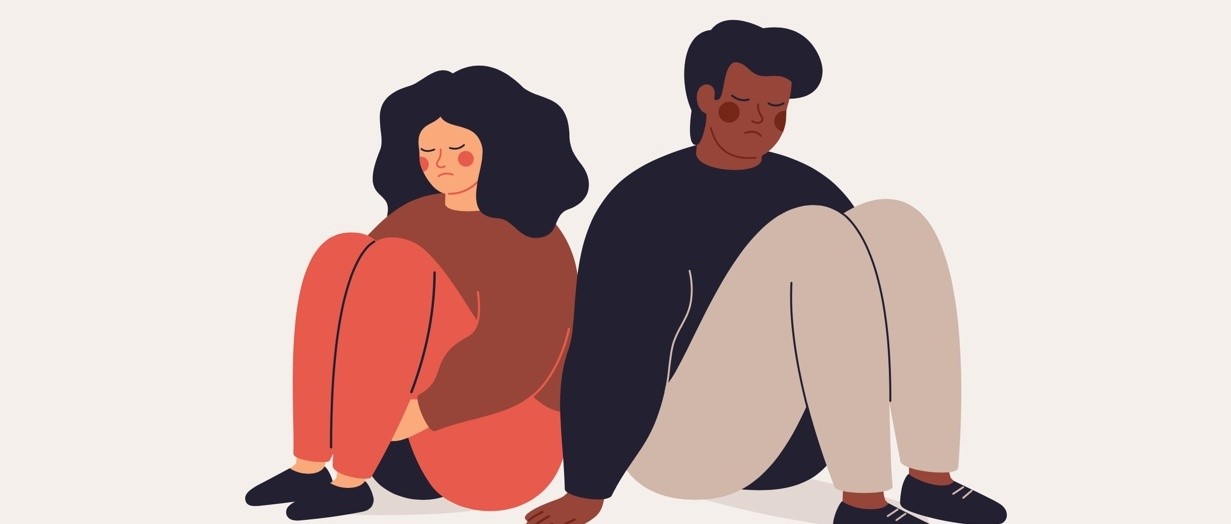
If somebody you know has died, it's natural to feel all kinds of feelings. Here are some thoughts on what young people can expect from the grieving process, and some tips for their parents and caregivers on how to support them.
Mental health support for adults and children
Online CBT and psychological therapy for adults and children aged 8–17. Onebright’s accredited clinicians support people experiencing anxiety, depression and other emotional challenges.
No matter who you are, dealing with bereavement is one of the most challenging things you can go through in life. The experience can be so shattering, it's difficult to put into words - and it certainly isn't the sort of thing that can be worked through in a few days or weeks.
If you're facing this as a young person, you may feel that it has come at an especially difficult time. As well as dealing with all the many pressures and challenges every teenager faces, you are now forced to grapple with something heavy and overwhelming.
This can be an isolating experience, particularly if you're the first person in your friend group to lose someone close to you. It probably doesn't help that so much of the advice about grief is targeted at adults.
What you may be feeling
If that's you, know that it's normal to struggle at this time, and that whatever you're feeling (or not feeling!), there's nothing wrong with you for feeling it. Stevie Goulding, co-manager of the YoungMinds Parents Helpline, points out that everyone grieves differently.
"Some young people may feel angry, sad or depressed, while others may feel guilty, relieved or numb. The way someone grieves can also be influenced by their culture, beliefs and how their family or community understands loss," she says.
This means you might have a very different reaction to what has happened to other people you know. In some cases, you might not feel anything for a while, and that's OK too. You might have good days and bad days, or times when you're thinking about something else, only for the painful feelings to catch you unawares.
On the other hand, you might have moments where the pain lifts briefly - for example, when you find yourself laughing and having fun. These moments are not a sign you didn't care enough, and you mustn't let yourself feel guilty about them.
"If you're finding it hard to express your feelings, you could try different things to help," says Goulding. "Writing a letter to the person you've lost, telling them all the things you want to say to them, or creating a memory box dedicated to them, reminding you of all the good times you had, might be a good first step. Or, if you want to tell someone else about how you're feeling and don't know how to, you could write them a letter instead. Some people also find it helpful to keep a journal of how they're feeling, or to express themselves through art."
How to ask for help
In some cases, you may feel physically unwell, or have problems with sleep and concentration. In the face of something so life-altering, all of this is normal - however, that doesn't mean you have to shut down and face it all alone.
"If you're struggling to come to terms with a death, find that it's interfering with your daily life and things don't seem to be getting any better, it can help to talk to someone," says Goulding. "Tell a trusted friend, family member or teacher how you're feeling. If you're feeling very worried or upset, you can talk to your GP about counselling and professional support."
She adds that there are specific charities that can help, and have lots of information available for young people. These include Winston’s Wish, Hope Again, and Let's Talk About Loss. Some of these offer online chat services and helplines, while others offer peer support (talking to other young people who've been through a bereavement). You can also visit the YoungMinds website for more information and advice.
The most important thing to remember is that grieving takes time, and that it will be a process with many ups and downs. You deserve to be supported through this process. While nobody can change what has happened, other people can be there for you, and you shouldn't be afraid to reach out to friends and family who you think might understand.
Tips for parents and caregivers
If your child is grieving, it can be overwhelming to see them in so much pain - and supporting them through the process can be especially tough if you're grieving too. While the form that grief takes can be different for every child, be aware that it goes beyond sadness, and that you may need to help them cope with messier feelings like anger, panic, numbness and resentment.
"Talk to your child about the loss they've experienced in an age-appropriate way, and let them know it's OK to feel however they feel," says Goulding. "Try to be empathetic and non-judgemental about how they're feeling and focus on providing emotional support and listening to them. Reassure them that you love them and they can talk to you whenever they need to. If you think your child needs some space, it's OK to give them that too. Sometimes it helps just to sit together quietly or to offer a gentle hug."
From a very practical standpoint, it's a good idea to reach out to their school and let them know what's happened, to see if they can provide any support or adjustments.
"Encourage your child to keep doing activities they enjoy, and try to keep normal routines going, but don't put pressure on them if they don't feel up to it," says Goulding. "Although grief doesn't have a set timescale, if your child is struggling to cope over a prolonged period of time, it may help to speak to your GP about counselling services and support they could access."
This is especially important if your child is depressed and withdrawn, if they're refusing to go to school, or if you suspect they're engaging in risky behaviours like alcohol abuse or self-harming. No matter what your child is going through, there are professionals out there who are trained to help them through it.
"You can also let your child know about charities and helplines that can help. There are some more tips for parents on the YoungMinds website," says Goulding.
Patient picks for Grief

Mental health
Can exercise help with grief?
A bereavement can bring a range of extremely difficult emotions and everyone copes with losing a loved one differently. But for some people, exercise provides a way to face grief and keep moving forwards at a time when it is most challenging.
by Lydia Smith

Mental health
How long is grief supposed to last?
While most people experience transient rather than persistent distress after the death of a loved one, some can struggle long-term. We speak to the experts about a condition known as 'prolonged grief disorder' which can have a deep impact on someone's mental health.
by Léa Surugue
About the authorView full bio

Abi Millar
Freelance Journalist
BA (Hons), MA
Abi is a freelance journalist with a special interest in health and medicine writing.
About the reviewerView full bio

Dr Sarah Jarvis
Clinical Consultant
MA (Cantab), BM, BCh (Oxon), DRCOG, FRCGP, MBE
After training in medicine at Cambridge and Oxford, Dr Sarah Jarvis MBE became a GP.
Article history
Article also available in English, German, Spanish, French, Italian, Portuguese, Hindi, Hebrew, Arabic, and Swedish.
19 May 2021 | Originally published
Authored by:
Abi MillarPeer reviewed by
Dr Sarah Jarvis
Join the conversation
Share your thoughts or experiences with others in our patient communities.

Ask, share, connect.
Browse discussions, ask questions, and share experiences across hundreds of health topics.

Feeling unwell?
Assess your symptoms online for free
Sign up to the Patient newsletter
Your weekly dose of clear, trustworthy health advice - written to help you feel informed, confident and in control.
By subscribing you accept our Privacy Policy. You can unsubscribe at any time. We never sell your data.
More in mental health
- Bipolar disorder, public figures, and the line between explanation and accountability
- Body positivity: 7 daily habits for self-love and acceptance at any age
- Building healthy boundaries for a fresh start to the new year
- Can shaking exercises improve stress and PTSD?
- Could you benefit from music therapy?
- NewCraving some cosy? The science of autumn nesting
- How do stereotypes prevent Black people from seeking help for eating disorders?
- How remote mental health services have helped the LGBTQ+ community
- How to avoid stress over Christmas and the New Year
- How to cope with the stress of being a new parent
- How to deal with stress through exercise
- Let’s talk about dating app burnout
- Living with post-traumatic embitterment disorder
- Spotting depression in your partner
- The impact of boredom on our health
- The worst foods to eat when you're feeling stressed
- Why do we use dark humour as a coping mechanism?
- Why video calls can leave you anxious and exhausted
- Why your long commute is bad for your health
- Work, rest, repeat: How to break the burnout cycle