What is choline? The nutrient for your memory, muscles and more
Peer reviewed by Dr Krishna Vakharia, MRCGPAuthored by Amberley DavisOriginally published 7 Jul 2024
Meets Patient’s editorial guidelines
- DownloadDownload
- Share
- Language
- Discussion
- Audio Version
- Add to preferred sources on Google
There's a good chance you're not consuming enough choline. This nutrient is needed for many jobs around the body. Find out how choline regulates memory, muscle movement, blood pressure and more - and the choline-rich foods we should all be eating.
What is choline?
Choline is an essential nutrient that your body needs to function properly and stay in good health. It is part of the vitamin B group of nutrients and can be found in vitamin B complex supplements. Your body makes a small amount in the liver, but most of the choline you need comes from your diet.
However, research found that the diets of most people in the US and Europe don't provide them with the recommended amounts of choline - even if they also take choline supplements1,2.
Choline deficiency - where your choline levels drop dangerously low - is still quite rare. Yet, it's important you include food sources of choline in your meals, to keep your body working and healthy.
Choline benefits
"Choline has a number of roles to play in our health," says Reema Patel, gut health dietitian at Dietitian Fit. She gives these examples:
Cell function - "Choline is used by the fats in the cells that provide cell structure, so it is a key nutrient in the development of cells."
DNA synthesis - "Together with other nutrients, choline plays a key role in DNA production in the body."
Nervous system - "Choline is a key part of acetylcholine, a neurotransmitter involved in muscle movement, memory, and regulating heartbeat."
Brain function - "Some research has shown a connection between higher blood levels of choline and improved cognitive function."
Can choline deficiency lead to liver disease?
Patel says: "Low levels of choline have been found to increase your chances of developing non-alcoholic fatty liver disease (NAFLD), which is where fat builds up around the liver, and leads to liver disease. In this way, getting enough choline supports a healthy liver."
Can choline improve physical performance?
Although choline supplements are taken by some athletes, their effects on physical performance aren't proven nor fully understood3. We know that choline is involved in muscle movement, and that choline levels fall during long endurance exercises - like marathons - but it's unclear if supplements enhance performance.
While some studies show no effect on performance, there is some evidence that not consuming enough choline can reduce muscle strength4. Overall, more research is needed.
Can choline protect against brain disorders?
It's possible that higher levels of choline can improve your memory, your ability to learn, and capacity for flexible thinking. Known as your cognitive functions, some studies have found that these are better in people who consume more choline5.
"However, more research is needed to see the influences of choline in adults with degenerative brain disorders, like Alzheimer's or Parkinson's disease," adds Patel.
Can choline reduce your chances of heart disease?
Choline is also thought to have heart healthy effects. "Consuming enough choline can support a healthy heart and blood vessels, mainly by reducing blood pressure," says Patel.
As choline helps with heart health, experts have asked if having low levels puts you more at risk of cardiovascular disease (CVD). At this point in time, the evidence is conflicting and unclear - but this might change with more research.
An analysis of the 2011-2016 National Health and Nutrition Examination Survey, that included 14,323 people, found that those who didn't have CVD consumed a lot more choline in their diets than those with CVD6. This was especially true for stroke. More studies are needed to confirm these findings as there is some evidence that too much choline can cause heart disease.
How much choline per day?
How much choline you should consume through food depends on your age and gender. More research is also needed to determine exactly how much choline gives us the most health benefits6.
Patel says: "As a general rule, children need between 200-500 mg choline per day and adults need between 425-550 mg choline per day." This will also depend on the children's age and whether the adults are pregnant or breastfeeding.
According to the dietitian, most people can get enough choline through their diet. Only certain groups who find it particularly hard to obtain enough choline in their diet alone may need choline supplements.
People who have increased needs of choline may be at risk of deficiency. These populations include:
Pregnant and breastfeeding women.
People with restrictive diets.
People with certain genetic conditions.
People who are being fed through their veins (intravenously).
Taking choline supplements during pregnancy
In recent years, the importance of choline during pregnancy has become increasingly apparent. It is thought that not getting enough choline may increase the likelihood of pregnancy complications. This could include neural tube defects, premature birth, low birth weight, and preeclampsia7. This is an area of ongoing research - but it's one that shows promise for improving the health of expectant mothers and unborn babies.
Currently, there is no UK guidance on choline supplements in pregnancy.
What foods are highest in choline?
Patel says: Choline is found in a range of foods, including:
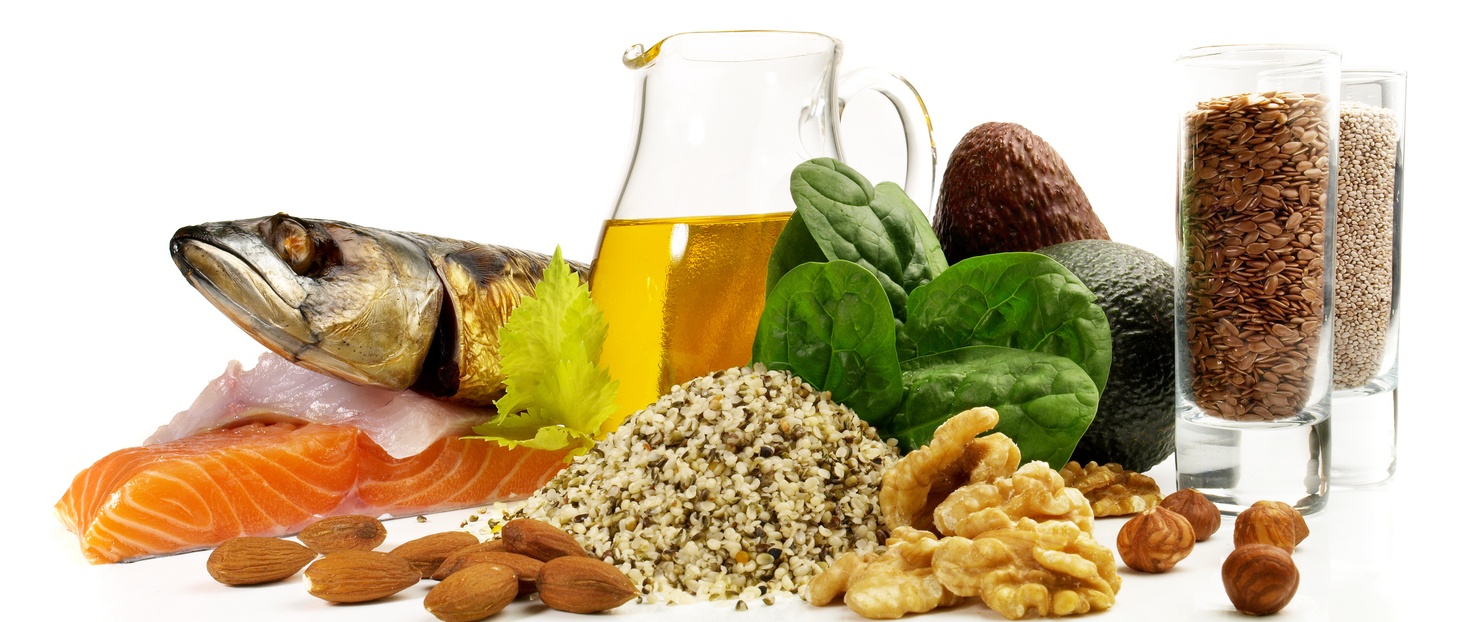
Fish – 1 strip (136 g) of smoked salmon contains 305 mg.
Meat - 1 slice (68 g) of beef liver contains 290 mg.
Dairy – 1 cup (120 g) of non-fat milk contains 203 mg.
Eggs - 1 large hard-boiled egg contains 169 mg.
Poultry – 1 slice (44 g) of chicken liver contains 144 mg.
Plant based sources include:
Choline side effects
Choline is a natural nutrient produced and needed by our bodies. Still, consuming an excessive amount of anything can potentially cause harm. Patel says:
"Over consuming choline can cause several side effects such as vomiting, heavy sweating, salivation, a fishy body odour, and could also lead to low blood pressure8. The upper limit of choline for healthy adults is 3500 mg per day - which could lead to serious side effects."
It's worth noting that it's very unlikely that you could consume this amount from food alone. The side effects above typically only apply to people taking choline supplements in large doses.
Further reading
Patient picks for Nutrition

Diet and nutrition
Lifting the lid on yoghurt's hidden health benefits
There are many types and brands of yoghurt available in supermarkets worldwide. From low-fat to full-fat, flavoured to fruit, each promotes a range of unique features and health benefits. This article explores yoghurt's healthy upsides and how to spot the not-so-healthy options.
by Victoria Raw
Diet and nutrition
Flax seeds: a secret weapon for women's health?
Flax seeds are praised for their diverse health advantages - from supporting heart health to regulating blood sugar. Packed with nutrients, they’re easy to add to meals, baked goods, and drinks. They're also gaining popularity in the world of women's health. But what exactly are these health benefits, and what do the experts say?
by Victoria Raw
About the authorView full bio

Amberley Davis
Senior writer
BA (Hons), CPD
Amberley is a senior writer with Patient and has written extensively on a range of health and wellbeing topics.
About the reviewerView full bio

Dr Krishna Vakharia, MRCGP
Chief Medical Officer for Health, Optum UK
MBChB, MRCGP(2013), BMedSci (hons), DFSRH, DRCOG, PGDipDerm (Distn)
Dr Krishna Vakharia is an NHS GP. She is also a regular examiner for the postgraduate Diploma in Practical Dermatology at Cardiff University as well as being the Chief Medical Officer for health at Optum UK.
Article history
Article also available in English, German, Spanish, French, Italian, Portuguese, Hindi, Hebrew, Arabic, and Swedish.
Next review due: 7 Jul 2024
7 Jul 2024 | Originally published
Authored by:
Amberley DavisPeer reviewed by
Dr Krishna Vakharia, MRCGP
Join the conversation
Share your thoughts or experiences with others in our patient communities.

Ask, share, connect.
Browse discussions, ask questions, and share experiences across hundreds of health topics.

Feeling unwell?
Assess your symptoms online for free
Sign up to the Patient newsletter
Your weekly dose of clear, trustworthy health advice - written to help you feel informed, confident and in control.
By subscribing you accept our Privacy Policy. You can unsubscribe at any time. We never sell your data.
More in diet and nutrition
- 10 sources of plant-based protein for bone health
- Biotin: do vitamins for hair growth really work?
- Can collagen supplements boost your health?
- Do crash diets ever really work for healthy weight loss?
- Do gummy vitamins work?
- Do supplements work for depression?
- Fatty liver diet: foods to eat and avoid
- Feeling hangry? Why we get angry when we are hungry
- How to have a healthier barbecue
- How to have a healthy Christmas party
- How to make small healthy changes to your diet without dieting
- How to stop binge eating
- Low-fat diet sheet
- Recipe: Gluten-free hot cross buns
- Vitamin A-rich foods could protect against skin cancer
- What are the pros and cons of taking supplements?
- What is the Atlantic diet?
- UpdatedWhat is the carnivore diet and is it healthy?
- Why do we get sugar withdrawal symptoms?
- Will a gluten-free diet help my child's eczema?