
How revenge bedtime procrastination affects your health - and how to avoid it
Peer reviewed by Dr Krishna Vakharia, MRCGPAuthored by Lydia SmithOriginally published 14 Jun 2023
Meets Patient’s editorial guidelines
- DownloadDownload
- Share
- Language
- Discussion
- Audio Version
- Add to preferred sources on Google
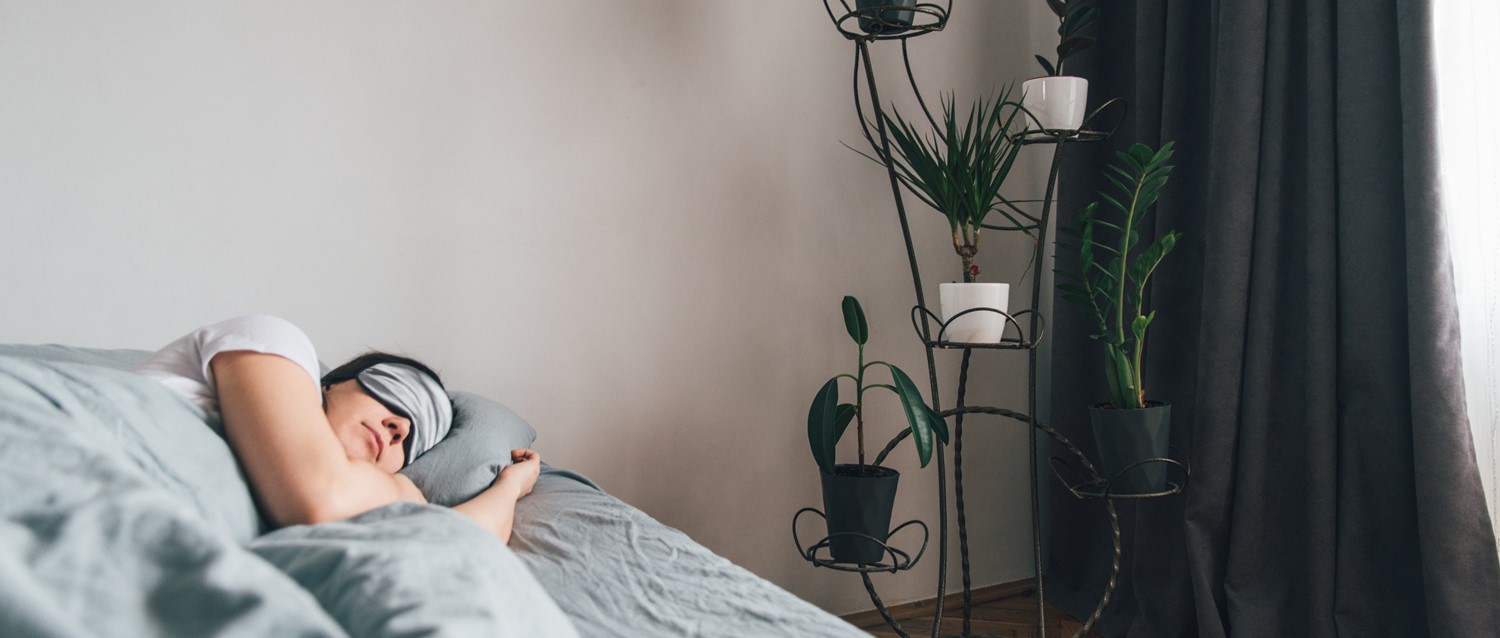
If you’ve ever stayed up late scrolling on your phone when you know you should be asleep, you’re not alone. You stay awake until the early hours to watch one more episode on Netflix, but when the morning rolls around, you’re exhausted. It’s something many of us do - and it’s called revenge bedtime procrastination.
What is revenge bedtime procrastination?
The phrase 'bedtime procrastination' was first used in a 2014 study, but the revenge aspect originated in China. It was used to describe how Chinese workers working long shifts would stay awake for longer - and put off going to sleep - as a way of reclaiming control of their time1.
Now, it's something many of us do to get more leisure time, explains Counselling Directory member and therapist Fiona Austin.
“The idea is that we spend so much of our time working, taking care of others and doing things we don't necessarily want to do, that staying up late and indulging in some 'me time' is a way to make up for lost time,” she explains.
"If you have a busy day at work and don't get home until late, you might feel like you haven't had any time for yourself," says Austin. "So instead of going to bed at a reasonable hour, you stay up late watching TV or scrolling through social media, even though you know you'll be tired and grumpy the next day."
Staying up late every so often is unlikely to have a long-lasting impact. However, persistently not getting enough sleep is linked to a whole host of physical and mental health problems, including high blood pressure, stroke, obesity, anxiety and depression2.
How to avoid revenge bedtime procrastination
It’s easy to fall into the habit of staying up late, but there are steps you can take to break that cycle. Here are some easy ways to help you get a good night’s sleep.
Set a bedtime for yourself
Getting into a routine is important. Although you might have the odd late night, having a routine may mean you’re more likely to go to bed at a reasonable time more often.
Start off by going to bed when you’re tired and try getting up at the same time every day. Gradually, your body will fall into a pattern. You can also try making sure your sleeping environment is an inviting one so that going to bed is something you enjoy and look forward to doing. Gentle stretches, yoga, reading, meditation and breathing exercises are all helpful ways to help de-stress and relax before sleep.
"Decide on a specific time to start winding down and stick to it as much as possible," says Austin. "If you're constantly tired, you're more likely to feel the need to reclaim your time by staying up late. Try to prioritise sleep as much as possible, and make sure you're getting enough each night."
Carve out time each day for you
Counselling Directory member Jodie McCormack says that making time during the day to do things that you enjoy may mean you don’t have to choose between sleep or your favourite show.
"When already pushed for time, this may seem difficult, but it is possible to carve out small moments of joy around a busy day. For example, you can make time for a tasty breakfast, listen to a podcast on your commute or exercise on your lunch break."
Set boundaries around screens
Although it’s important to give yourself time to catch up on social media or your favourite TV programmes, try to limit your screen-time in an evening. This will help to remove the temptation to stay up late.
"Set some boundaries around your use of technology in the evening. For example, turning off your phone or computer an hour before bed."
Further reading
Patient picks for Sleep and insomnia
Healthy living
What your dreams can reveal about your health
Dreaming is crucial to normal brain function, but certain sleep and dream behaviours may be an indicator of underlying health issues. We examine what your dream patterns may reveal about your health and well-being.
by Sally Turner
Healthy living
Gene discovery may explain why some people cope on little sleep
A gene which is linked to feeling fully rested after just a few hours of sleep has been identified by researchers.
by Ashwin Bhandari
About the authorView full bio

Lydia Smith
Feature writer
BA, MA, MSc
Lydia Smith is an award-winning journalist and feature writer who has written extensively on women's health and mental health. She is currently studying for an MSc in psychology.
About the reviewerView full bio

Dr Krishna Vakharia, MRCGP
Chief Medical Officer for Health, Optum UK
MBChB, MRCGP(2013), BMedSci (hons), DFSRH, DRCOG, PGDipDerm (Distn)
Dr Krishna Vakharia is an NHS GP. She is also a regular examiner for the postgraduate Diploma in Practical Dermatology at Cardiff University as well as being the Chief Medical Officer for health at Optum UK.
Article history
Article also available in English, German, Spanish, French, Italian, Portuguese, Hindi, Hebrew, Arabic, and Swedish.
14 Jun 2023 | Originally published
Authored by:
Lydia SmithPeer reviewed by
Dr Krishna Vakharia, MRCGP
Join the conversation
Share your thoughts or experiences with others in our patient communities.

Ask, share, connect.
Browse discussions, ask questions, and share experiences across hundreds of health topics.

Feeling unwell?
Assess your symptoms online for free
Sign up to the Patient newsletter
Your weekly dose of clear, trustworthy health advice - written to help you feel informed, confident and in control.
By subscribing you accept our Privacy Policy. You can unsubscribe at any time. We never sell your data.
More in healthy living
- 5 best Dry January apps for 2024
- Body positivity: 7 daily habits for self-love and acceptance at any age
- Can better sleep help with diabetes?
- Can certain foods mimic the effects of weight loss injections?
- Can counselling help you decide when or whether to have children?
- Can hair transplants improve mental health?
- NewCraving some cosy? The science of autumn nesting
- Debunking gay men stereotypes and myths
- Debunking transgender stereotypes and myths
- Do crash diets ever really work for healthy weight loss?
- Do you need more sleep in winter?
- How to look after your liver during freshers’ week
- How to look after your mental health this winter
- Parental burnout: your guide to understanding and overcoming it
- What are the risks of alcohol as you get older?
- What is somatic exercise? Exploring the mind-body connection
- What is the 6-6-6 walking challenge?
- Which sports are the worst for your health?
- Why a Christmas movie can make us feel good