
Being 'pear-shaped' may lower risk of heart disease in women
Peer reviewed by Natalie HealeyAuthored by Milly EvansOriginally published 1 Jul 2019
Meets Patient’s editorial guidelines
- DownloadDownload
- Share
- Language
- Discussion
- Audio Version
- Add to preferred sources on Google
A new study of postmenopausal women has shown that women who are 'apple-shaped' rather than 'pear-shaped' are at greater risk of heart and blood vessel problems.
The study, published in the European Heart Journal, found that even in women with a healthy body mass index (BMI), carrying a greater proportion of body fat in the legs (pear-shaped) rather than around the middle (apple-shaped) significantly reduces the risk of heart disease.
The researchers studied 2,683 women over 18 years, all of whom had a normal BMI and had already been through the menopause.
The team found that the greatest risk of cardiovascular disease occurred in women who had the highest percentage of fat around their middle and the lowest percentage of leg fat. Women who stored fat around their middle were three times more likely to suffer from heart disease than women with the opposite body type.
However, the researchers stress that the study does not definitively show that the location of body fat causes an increased risk of cardiovascular problems, only that there is an association.
It is not yet understood why leg fat may be protective, but it is thought that it is because it is not causing problems elsewhere in the body. Fat stored around the abdomen, particularly the organs, is already known to increase the risk of conditions like type 2 diabetes and cardiovascular disease.
Lead researcher Dr Qibin Qi, from the Albert Einstein College of Medicine in New York, hopes that the findings could be used to encourage people to understand regional body fat, as well as BMI and body weight, particularly in practice. At the moment, measures of BMI and waist circumference are taken to predict heart disease risk but the study suggests that practitioners should also be looking at the location of stored body fat.
However, it's not known if the findings apply to different groups of people. "It is important to note that participants of our study were postmenopausal women who had relatively higher fat mass in both their trunk and leg regions. Whether the pattern of the associations could be generalisable to younger women and to men who had relatively lower regional body fat remains unknown," he explained.
Qi highlights that, although there is no known way of relocating body fat through exercise or diet, reducing stomach fat is the best way to reduce heart disease risk, according to the study.
In a comment for the BBC, Dr Sonya Babu-Narayan, associate medical director at the British Heart Foundation said: "This study uncovers an interesting link between where fat is stored and your risk of heart attack and stroke, but can't tell us why it exists. Future research to uncover how the distribution of body fat is related to these diseases could reveal important new ways to prevent and treat the world's biggest killer."
This study was published in the European Heart Journal.
Patient picks for Heart disease

Heart health and blood vessels
Drug trials of new hypertrophic cardiomyopathy treatment brings hope to patients
Hypertrophic cardiomyopathy is a condition where the heart muscle walls are thickened. This interferes with the heart's ability to pump blood around the body. Current medication focuses on hypertrophic cardiomyopathy symptom management, but a new drug that may treat the underlying cause is under review.
by Amberley Davis
Heart health and blood vessels
Four-in-one pill could prevent heart problems
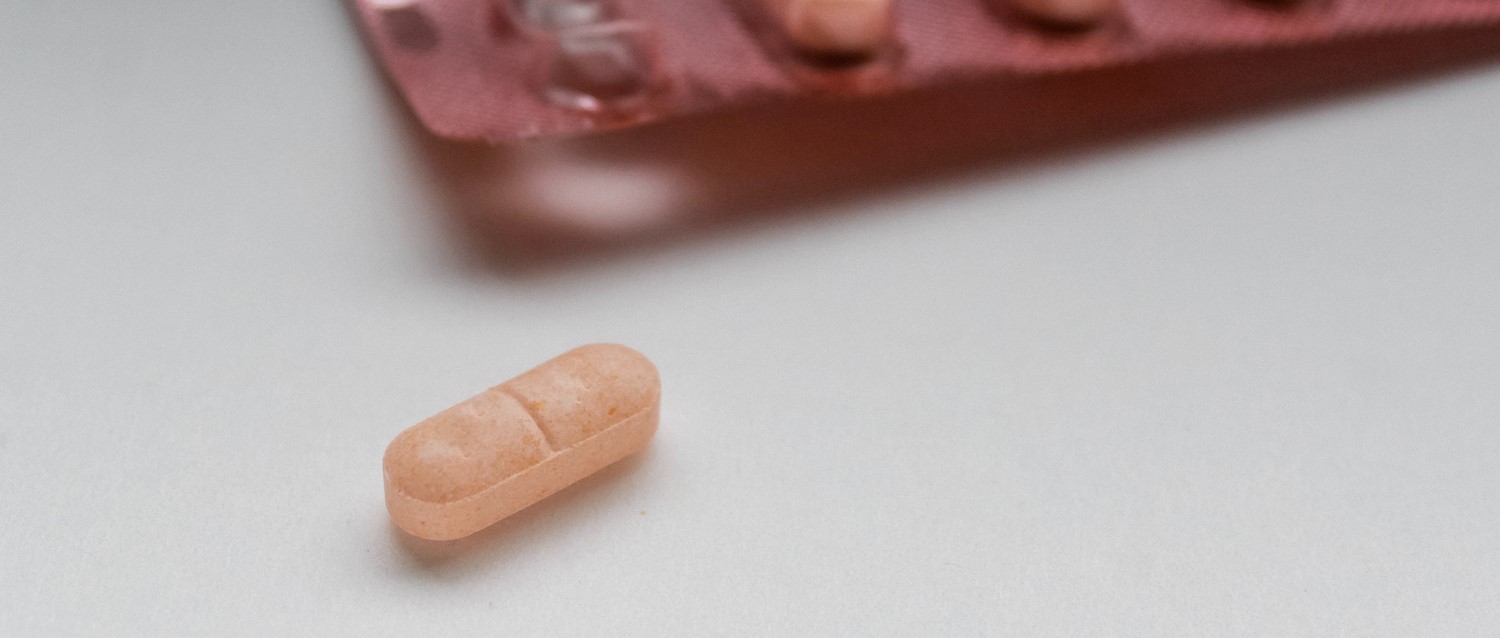
A 'polypill', which combines four different drugs, can cut the risk of heart disease and stroke, according to new research.
by Ashwin Bhandari
About the authorView full bio
Authored by

Milly Evans
Editor
Milly writes on a range of health topics, with a particular interest in health inequality and sexual health.
About the reviewerView full bio

Natalie Healey
Freelance journalist
BSc (Hons) Biomedical Science
She is a London-based health journalist who has been writing about science and medicine for several years. She is the former head of editorial at Patient.
Article history
Article also available in English, German, Spanish, French, Italian, Portuguese, Hindi, Hebrew, Arabic, and Swedish.
1 Jul 2019 | Originally published
Authored by:
Milly EvansPeer reviewed by
Natalie Healey
Join the conversation
Share your thoughts or experiences with others in our patient communities.

Ask, share, connect.
Browse discussions, ask questions, and share experiences across hundreds of health topics.

Feeling unwell?
Assess your symptoms online for free
Sign up to the Patient newsletter
Your weekly dose of clear, trustworthy health advice - written to help you feel informed, confident and in control.
By subscribing you accept our Privacy Policy. You can unsubscribe at any time. We never sell your data.