How to cope with hair loss after having a baby
Peer reviewed by Dr Colin Tidy, MRCGPLast updated by Lawrence HigginsLast updated 5 Jul 2026
Meets Patient’s editorial guidelines
- DownloadDownload
- Share
- Language
- Discussion
- Audio Version
- Add to preferred sources on Google
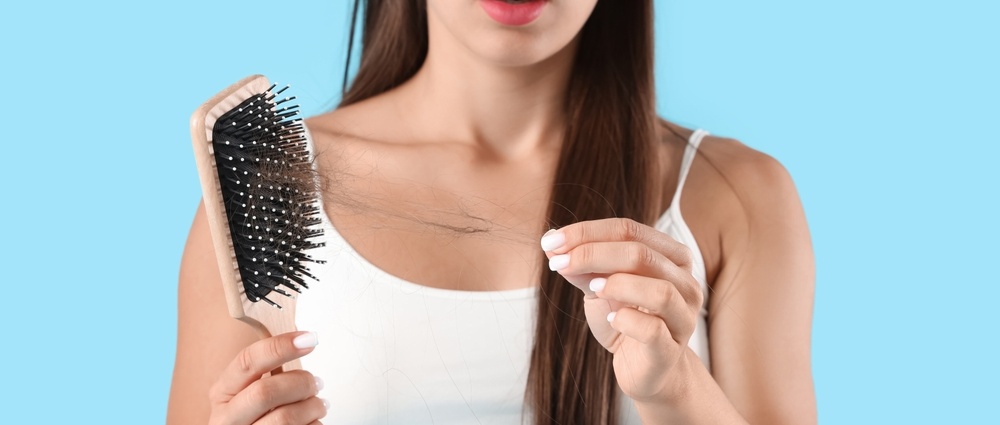
Your body goes through many changes during pregnancy and after you give birth. Although your hair may not be your biggest concern, it can be worrying to see more of it falling out in the months after you give birth. However, this is normal - and something many women experience.
Sign up for our free 8-week Healthy Pregnancy course!
Each week we’ll share useful information and essential tips on topics such as nutrition, exercise, mental health, symptoms to look out for, and preparing for childbirth, to help you navigate your pregnancy journey whatever stage you are at.
By subscribing you accept our Privacy Policy. You can unsubscribe at any time. We never sell your data.
Why does your hair change during and after pregnancy?
The average person loses up to 100 hairs a day, but not all at once, so it’s not usually very noticeable.
When you’re pregnant, however, your body has higher levels of the hormones oestrogen and progesterone, which prevent those hairs from falling out.
Some studies suggest the hormone prolactin also leads to less hair loss and more growth, making your hair look and feel thicker.
After pregnancy, when your body no longer has to support your baby, your hormone levels drop and the hair sheds.
However, you’re not actually losing more hair than normal. It’s just that your hair is falling out in larger clumps than it ordinarily would, so it can seem more obvious.
Dr Leila Asfour, a dermatologist and member of the British Hair and Nail Society, says women may notice an increase in hair shedding and thinning in general over the whole scalp, called telogen effluvium.
"This is due to changes to the hair cycle, which causes the hair to fall out faster than it normally would,” she explains. “It tends to happen around 3 or 4 months after having their baby."
Over time, the hair cycle tends to return to normal, although this can take several months. "The majority of women do not require any treatment for hair loss after a pregnancy as the hair cycle will eventually go back to normal without any treatments," says Asfour.
Postpartum hair treatments for hair loss
Unfortunately, there are no treatments to prevent or slow down the hair shedding process. However, there are treatments you can try to make your hair appear thicker and healthier.
Use volumising haircare products
Volumising shampoos and conditioners can make your hair look and feel thicker by adding body to it. These products won’t stop your hair from shedding or make it grow faster, but they may improve the look of your hair.
Eat well
Food shopping and cooking may be the last activities on your mind when you’re looking after a newborn. However, eating a heathy diet with a variety of fruits, vegetables, fibre, and healthy proteins will make sure you’re getting all the vitamins and nutrients you need, which will keep you and your hair healthy.
Eating well doesn’t have to be too complicated or time-consuming. Avocados and eggs are a good source of protein and healthy fats, which boost your skin and hair health. If you’re short on time, smashed avocado and poached or scrambled eggs on wholegrain toast is a quick, filling meal.
The nutrients zinc and selenium are also important for healthy hair. You can find zinc in fortified cereals, wholegrain bread, nuts, red meat, and chicken.
Selenium is found in pork, beef, turkey, chicken, fish, shellfish, and eggs. Vegetarians can get selenium from spinach, green peas, beans, and potatoes. A jacket potato with beans and some veg on the side is another easy, quick meal.
Take vitamins or supplements
Although no specific vitamins have been shown to affect hair loss, they can help support your overall health. "Other things to consider during and after pregnancy which can impact hair growth include women's thyroid function, iron levels, vitamin D, zinc, and vitamin B12 - also known as folate," says Asfour.
"Boosting these can support the overall hair health. After having their baby, women can become iron deficient, so it is important to check these levels during and after pregnancy."
Use the right contraceptive
Women often start contraception after pregnancy, but Asfour says it’s worth being aware that certain contraceptives can make hair shedding worse.
"We would recommend a contraceptive with a low androgen index if possible, avoiding the progesterone-only ones if appropriate," she says.
When should you speak to your doctor about hair loss?
"If hair loss persists for more than six to eight months after giving birth, then this could indicate a hair disorder and medical treatments might be necessary," says Asfour.
"We would recommend speaking to your doctor or arranging to see a dermatologist with an interest in hair disorders."
It’s also important to make sure there isn’t an additional cause for your hair loss, such as an infection or stress.
Patient picks for Complications
Pregnancy
Pregnancy acne: why it happens and how to treat it
We all know the stereotype of the radiant expectant mother, with her glowing, picture-perfect, clear skin, but the reality of unpredictable pregnancy hormones can be somewhat different. For women affected by adult acne, not knowing how their skin will react - or how to keep it under control without many of the most commonly prescribed treatments - may be a concern during pregnancy or when planning to conceive. But there are a number of safe options to keep pregnancy acne at bay.
by Sarah Graham
Pregnancy
Is it safe to take epilepsy medication during pregnancy?
Hannah* was first prescribed sodium valproate to control her epilepsy when she was 13 years old. "At the time, I wasn't told about any of the risks and then I fell pregnant at 16," she says. "The pregnancy miscarried at four months, due to severe abnormalities with the baby, which were caused by my medication." More than 20 years later, UK drug regulator the MHRA last month announced a ban on prescribing sodium valproate to women and girls of childbearing age, unless they sign a form to say they understand the risks.
by Sarah Graham
Frequently asked questions
Why does my hair seem to come out in large clumps after I've had a baby?
During pregnancy, higher levels of hormones like oestrogen, progesterone, and potentially prolactin, prevent hair from falling out as it normally would. After birth, hormone levels drop, leading to the shedding of all the hair that was retained. This means that while you're not losing more hair than usual, it falls out in larger, more noticeable clumps.
How long can I expect this increased hair shedding to last after giving birth?
The increased hair shedding, known as telogen effluvium, typically starts around 3 to 4 months after you've had your baby. Your hair cycle will eventually return to normal, but this can take several months. Most women do not need any treatment, as the hair will recover on its own.
Are there any specific vitamins or supplements that can help with postpartum hair thinning?
While no specific vitamins have been proven to stop hair loss, ensuring you have adequate levels of iron, vitamin D, zinc, and vitamin B12 (folate) can support overall hair health. It's especially important to check iron levels during and after pregnancy, as women can become iron deficient.
Can certain contraceptives affect my hair after pregnancy?
Yes, some contraceptives can worsen hair shedding. It is recommended to choose a contraceptive with a low androgen index if possible and to avoid progesterone-only options if suitable for your health.
My hair suddenly seems much thinner overall. Is this normal after pregnancy?
Increased hair shedding and general hair thinning across the scalp are common after pregnancy. This condition, known as telogen effluvium, is due to changes in the hair cycle that cause hair to fall out faster than usual. It typically starts a few months after delivery as your hormones return to normal.
What kind of diet should I follow to help my hair health after pregnancy?
Eating a healthy and balanced diet with a variety of fruits, vegetables, fibre, and healthy proteins is important for your overall health and can support hair health. Foods like avocados and eggs provide protein and healthy fats. Zinc, found in fortified cereals, nuts, and red meat, and selenium, found in fish, poultry, and certain vegetables, are also beneficial for healthy hair.
About the authorView full bio
Updated by

Lawrence Higgins
Managing editor
BSc, Post Graduate Diploma
Lawrence has worked as both Managing Editor of Patient.info and a contributing author. He is also a member of the Guild of Health Writers.
Authored by

Lydia Smith
Feature writer
BA, MA, MSc
Lydia Smith is an award-winning journalist and feature writer who has written extensively on women's health and mental health. She is currently studying for an MSc in psychology.
About the reviewerView full bio

Dr Colin Tidy, MRCGP
General Practitioner, Medical Author
MBBS, MRCGP, MRCP (Paediatrics), DCH
Dr Colin Tidy is an NHS Doctor, based in Oxfordshire.
Article history
Article also available in English, German, Spanish, French, Italian, Portuguese, Hindi, Hebrew, Arabic, and Swedish.
Next review due: 6 Jul 2026
5 Jul 2026 | Latest version
6 Jun 2023 | Originally published
Authored by:
Lydia Smith
Join the conversation
Share your thoughts or experiences with others in our patient communities.

Ask, share, connect.
Browse discussions, ask questions, and share experiences across hundreds of health topics.

Feeling unwell?
Assess your symptoms online for free
Sign up to the Patient newsletter
Your weekly dose of clear, trustworthy health advice - written to help you feel informed, confident and in control.
By subscribing you accept our Privacy Policy. You can unsubscribe at any time. We never sell your data.