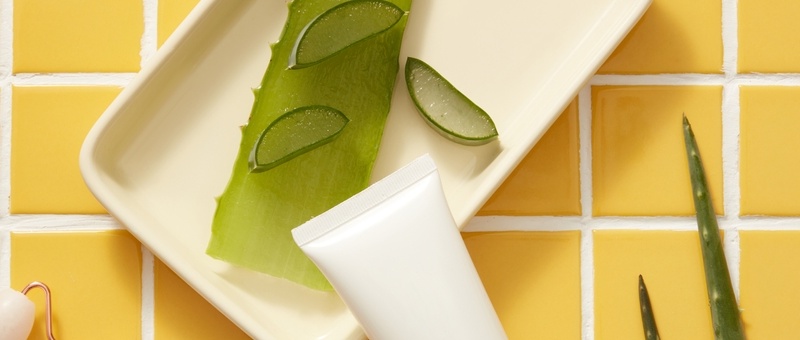
Is aloe vera good for your skin?
Peer reviewed by Dr Colin Tidy, MRCGPLast updated by Victoria RawLast updated 18 Mar 2026
Meets Patient’s editorial guidelines
- DownloadDownload
- Share
- Language
- Discussion
- Audio Version
- Add to preferred sources on Google
Aloe vera has long been a popular wellness choice for its calming and moisturising effects. Whether harvested directly from the plant itself or bought as a ready-made product, it's a top contender for promoting healthy skin. But what exactly makes this fleshy green succulent so good for our complexion?
What is aloe vera?
Aloe vera is a green, cactus-like plant that belongs to the lily family. Renowned since ancient times for its medicinal uses, it thrives in hot, dry climates, and is cultivated in subtropical regions across the globe. With its long, thick, juicy leaves, containing gel-like, water-filled tissue, it has a host of health-promoting nutrients, including vitamins, minerals, amino acids, and antioxidants.
It is celebrated for its anti-inflammatory properties, powerful effects on skin health and success in treating various ailments. While you can extract the gel directly from the plant, shop-bought aloe vera products are also widely available.
There are a long list of aloe vera-based options to choose from:
Raw: Raw aloe vera is extracted directly from the gel inside the plant.
Ointment, gels and lotions: These are for external use and may include additional ingredients.
Skincare products: Many moisturisers, cleansers, or shampoos contain aloe vera. They may also include additional ingredients for a pleasant smell or to extend their shelf life.
Supplements: These are usually found in capsule or powder form.
Drinks: Aloe vera juice is made from the gel inside the leaves - it's often diluted with water or fruit juice to improve the taste.
Dr Hannah Kopelman is a dermatologist specialising in skincare and hair loss. She is also host of the Derm Club podcast.
Kopelman explains that one of the primary benefits of aloe vera is its ability to hydrate your skin without leaving it greasy, making it suitable for all skin types, including oily and acne-prone skin.
She says: "It contains polysaccharides that help retain moisture in your skin, as well as antioxidants, vitamins A, C, and E, which protect the skin from free radical damage and support its natural healing processes."
How is aloe vera good for your skin?
Although it is made up of 99% water, aloe vera is rich in skin-boosting ingredients. Its mix of vitamins, minerals, and enzymes makes it a powerful topical treatment for skin health.
Vitamins and minerals
Aloe vera contains vitamins such as A, C, and E that help fight off damage in your body, along with other vitamins - for example, B12, folic acid, and choline. It also has minerals such as calcium, magnesium, and potassium.
Sugars
The simple sugars in aloe vera (fructose and glucose) boost cell energy, while the complex sugars (glucomannans/polymannose) help hydrate your skin.
Enzymes
Enzymes are proteins that accelerate chemical reactions in your body. The enzymes in aloe vera help calm irritated skin.
Saponins
Saponins act like natural soap, keeping things clean and germ-free.
Fatty acids
Aloe vera is a source of healthy fats (cholesterol, campesterol, β-sitosterol, lupeol) that have inflammatory and antiseptic properties.
Lignin
This is a molecule that helps creams and lotions deliver their ingredients deeper into your skin.
Auxins and gibberellins
These plant hormones can speed up wound healing and soothe irritation.
Salicylic acid
Aloe vera contains salicylic acid that possesses anti-inflammatory and antibacterial properties.
Inflammation relief
Aloe vera, with its natural anti-inflammatory properties, may help soothe inflammation from skin conditions such as eczema and psoriasis. It can also help calm red and inflamed acne.
Healing support
For minor wounds such as cuts, scrapes, and burns, aloe vera can speed up the healing process. This is because it helps new skin cells grow faster and soothes inflammation.
According to Kopelman, aloe vera can assist in wound healing and minimise the appearance of scars.
She says: "Its growth hormones - gibberellins, and polysaccharides - stimulate the growth of new cells. This helps in the repair of damaged skin and speeds up the healing process."
It is not advised to use aloe vera on severe wounds, since the gel can aggravate and slow down the healing process.
Skin elasticity
Aloe vera hydrates dry skin and reduces the appearance of wrinkles by encouraging collagen and elastin production. It also helps your skin to shed dead cells, which makes your skin feel smoother.
"Regular use of aloe vera can also help improve skin texture and reduce the appearance of fine lines and wrinkles, thanks to its ability to boost collagen production and improve skin elasticity," Kopelman explains.
Germ fighting
Aloe vera can also fight off infections caused by fungus, bacteria, and viruses.
Is raw aloe vera good for your skin?
Due to its higher nutrient content, some people choose to grow aloe vera plants at home, using the fresh gel directly from the plant's leaves. However, if you're thinking of harvesting your own aloe vera, it's important to be aware of possible skin reactions when applying it directly from the plant.
Skin irritation
If you have sensitive skin - or any existing skin conditions - aloe vera may cause redness, burning, or stinging.
Allergic reaction
Some people may experience an allergic reaction to aloe vera. If you develop itching, burning, or swelling after application, stop using it immediately.
It's recommended to perform a patch test before applying raw aloe vera to your face. Put a small amount on your wrist or inner arm and wait 24 hours. If there are no signs of irritation, it's likely safe to use on your face.
Is drinking aloe vera good for your skin?
Drinking aloe vera offers fewer health advantages than applying it to your skin. Though oral consumption of aloe vera is linked with various wellness benefits, strong scientific evidence is still developing. Studies suggest aloe vera may be effective in fighting inflammation and that it may improve heart health, aid digestion, and maintain healthy blood sugar levels, cholesterol, and weight.
However, several studies state that taking aloe vera juice orally may have harmful side effects on your body such as:
Nausea.
Vomiting.
Diarrhoea.
Stomach pains.
Liver inflammation (hepatitis).
Constipation.
The laxative effects of aloe vera can also flush out electrolytes, such as potassium, which are important for your body's functions.
With the above symptoms in mind, it is not generally recommended that you drink aloe vera juice, especially if you are:
Pregnant: The yellow extract from the inner leaf of the aloe vera plant (aloe latex) is a powerful laxative. Therefore, it's unsafe for pregnant and breastfeeding women. Some animal studies have also found that aloe vera juice can cause sperm damage and mortality.
Have digestive issues: Aloe vera may worsen symptoms for people with Crohn's disease, ulcerative colitis or other digestive conditions.
Taking certain medicines: Talk to your doctor about using aloe vera if you're currently on any course of treatment. Using aloe vera alongside some medicines could lead to complications.
Although aloe vera juice boasts potential health benefits, research on its safety for drinking is limited. Given the wealth of studies supporting its topical use, it's best to only apply aloe vera directly onto your skin. This might be a safer option until more conclusive research on oral consumption is available.
Patient picks for Skincare
Diet and nutrition
Does aloe vera juice really help with gut health?
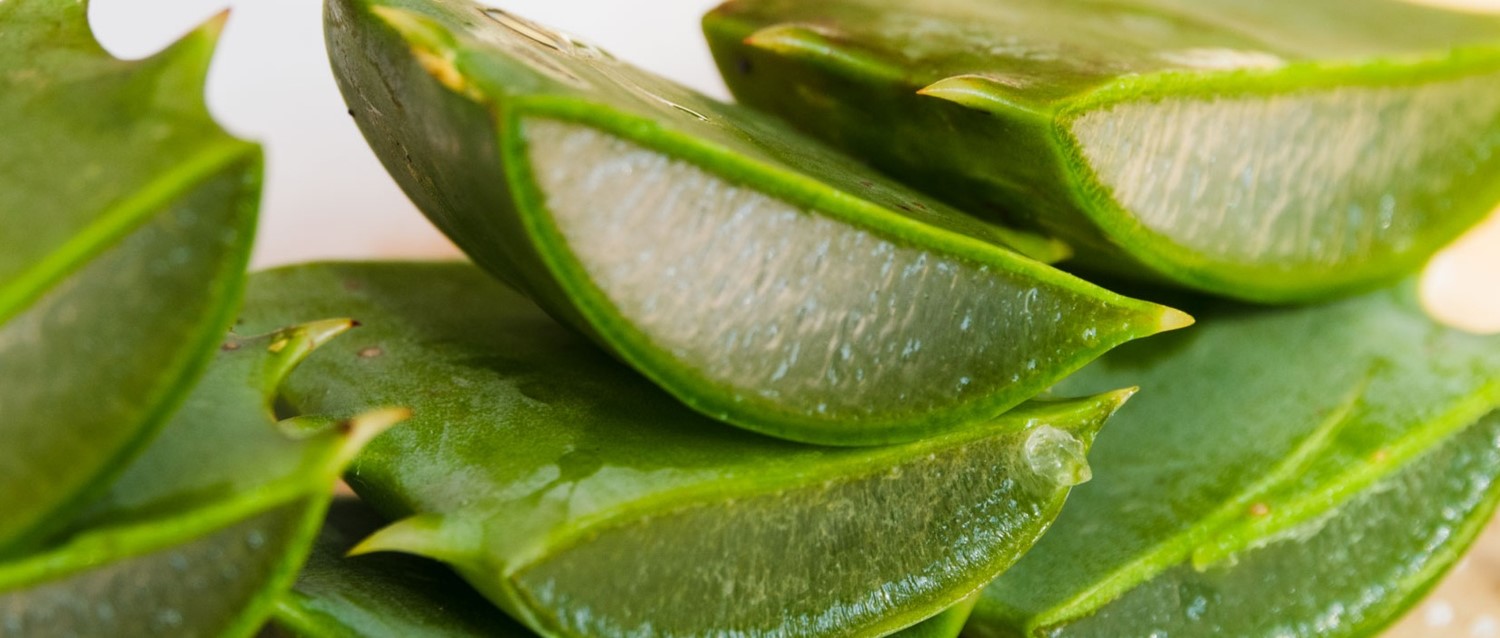
Numerous claims about the health benefits of drinking aloe vera juice have been made on social media. It can supposedly treat wounds, revitalise skin, and improve gut health. But how trustworthy is this advice?
by Emily Jane Bashforth

Skin, nail and hair health
What does aftersun do and do you really need it?
Visit any British beach in summertime and you'll likely see a landscape of pink and red sunburned bodies. Spending time in the sun can catch out even the most devoted sun cream wearers from time to time. Aftersun can't reverse sun damage, but its soothing and hydrating ingredients can ease short-term sunburn symptoms.
by Lynn Stephen
About the authorView full bio

Victoria Raw
Feature Writer
BA (Hons), English Literature
Victoria is a content writer at Patient, with special interests spanning mental wellbeing, societal trends and the impact of technology on our health.
About the reviewerView full bio

Dr Colin Tidy, MRCGP
General Practitioner, Medical Author
MBBS, MRCGP, MRCP (Paediatrics), DCH
Dr Colin Tidy is an NHS Doctor, based in Oxfordshire.
Article history
Article also available in English, German, Spanish, French, Italian, Portuguese, Hindi, Hebrew, Arabic, and Swedish.
Next review due: 17 Mar 2029
18 Mar 2026 | Latest version
12 Jun 2024 | Originally published
Authored by:
Victoria Raw
Join the conversation
Share your thoughts or experiences with others in our patient communities.

Ask, share, connect.
Browse discussions, ask questions, and share experiences across hundreds of health topics.

Feeling unwell?
Assess your symptoms online for free
Sign up to the Patient newsletter
Your weekly dose of clear, trustworthy health advice - written to help you feel informed, confident and in control.
By subscribing you accept our Privacy Policy. You can unsubscribe at any time. We never sell your data.
More in skin, nail and hair health
- A guide to UV protection sunglasses
- Can dandruff and an itchy scalp lead to hair loss?
- Can hair transplants improve mental health?
- Can your skin really get addicted to steroid creams?
- Common causes of an itchy scalp
- Does the menopause cause hair loss?
- Does vaping age or damage your skin?
- Does wearing make-up give you acne?
- Eczema, psoriasis, and ringworm: what's the difference?
- How often should you wash your hair?
- How to keep your feet problem-free
- How to keep your kids sun safe this summer
- How to tell the difference between acne and other skin problems
- Is your exercise routine giving you acne?
- The simplest men's skincare routine
- What causes our skin to break out in hives?
- What is skinimalism, and is it good for your skin?
- What to do when your child has a rash
- When should I worry about an insect bite?
- Why do we have nails?