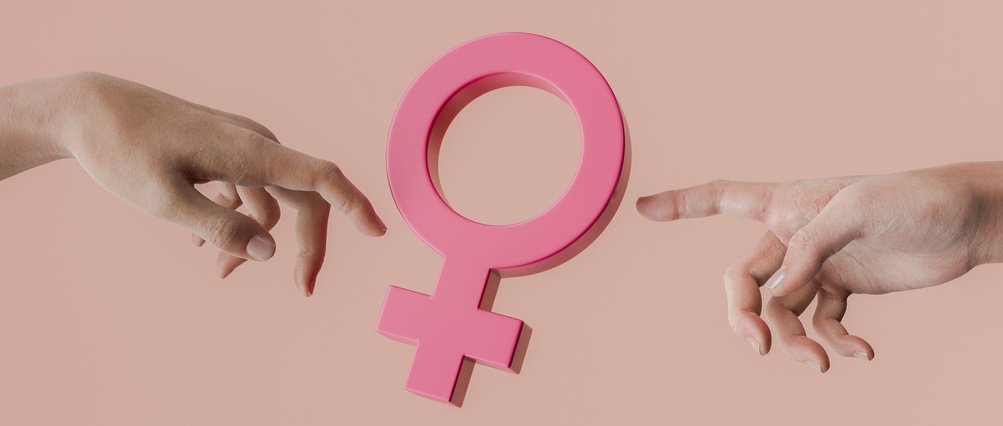
Breaking down the gender health gap
Peer reviewed by Dr Krishna Vakharia, MRCGPAuthored by Victoria RawOriginally published 28 Feb 2025
Meets Patient’s editorial guidelines
- DownloadDownload
- Share
- Language
- Discussion
- Audio Version
- Add to preferred sources on Google
The gender health gap is a term some of you may know well, while others might have only come across it in passing. You may have never heard of it at all. While awareness of this issue varies, it's a critically important topic that impacts women's health in ways that demand our full attention. This gap represents a serious form of gender inequality in healthcare.
What is the gender health gap?
The gender health gap refers to long-term differences in how healthcare is provided to and experienced by women compared to men. It's caused by a historical underrepresentation of women in medical research and bias in healthcare. As a result, women face poorer health outcomes, less access to appropriate care, and lower-quality medical treatment.
According to Dr Rageshri Dhairyawan, Physician in Sexual Health and HIV Medicine, London, UK, this medical gender gap can also affect transgender and non-binary people due to institutional transphobia and discrimination.
Dr Rageshri Dhairyawan

"Disparities are seen in a number of health conditions such as pain management, heart disease and mental health," says the author of UNHEARD: The Medical Practice of Silencing. "There is also a lack of knowledge and services for conditions that affect mostly women such as endometriosis and menopause."
How the gender health gap affects women's health and quality of life
The women's health gap has a severe impact on your physical and mental health and overall quality of life.
Dhairyawan explains this is often due to delayed investigations, medical diagnosis and treatment. She adds that some conditions that affect women more frequently are often misdiagnosed or overlooked.
These can include:
Autoimmune diseases - such as lupus.
Conditions that share symptoms of fatigue and pain - such as fibromyalgia, myalgic encephalomyelitis (ME), and chronic fatigue syndrome (CFS).
"These gaps may also affect your economic status if you're unable to work due to illness," she says. "Your close relationships - especially with family - may too be impacted."
Dhairyawan adds that while women may live longer than men, they spend a greater portion of their lives in poor health.
Audio production: Victoria Raw
Visuals: Ben Hudson
The underrepresentation of women in research
Medical research has traditionally focused on men, leaving gaps in our understanding of women's bodies and how they respond to diseases and treatment.
"Women have been historically excluded from drug trials if they may be pregnant or are breastfeeding," says Dhairyawan. "This means that we have little safety data when it comes to using medicines in the perinatal period - leading to possible undertreatment."
The challenges women face in accessing healthcare
Persistent gender inequality in healthcare prevents many women from accessing the care they need.
Dhairyawan highlights a major issue - that women are more likely than men to report feeling unheard, dismissed, or disbelieved by their doctors.
She says additional challenges may include:
Lack of time and resources to attend healthcare services.
Caring responsibilities.
Domestic abuse.
Limited understanding of how to access healthcare.
Social stigma or cultural taboos.
Poor healthcare experiences due to gender bias.
Shortage of female doctors.
Restrictive laws and policies.
"As well as sexism, certain women may experience further inequalities," Dhairyawan explains. "This may be due to poverty, class, ethnicity, religion, ability, and sexual orientation."
The long-term effects of the gender health gap
You might think the gender health gap only affects women. However, its effects are widespread and impact everyone.
Dhairyawan warns: "The gender gap has huge impacts on society due to the economic cost of women being unwell and unable to work - and to their families and partners.
"It’s therefore urgent for all of us that it is addressed."
Dhairyawan adds that while initiatives such as the Women’s Health Strategy in England recognise that women have different needs at various stages of life, there's still much more to be done to close the gender health gap.
She recommends the following as starting points:
Better education on women's health for healthcare professionals.
Investment into specific services such as women's health hubs - focusing on sexual and reproductive health.
Policies to ensure sex and gender are monitored in research studies.
The recruitment of more women in healthcare positions.
Increased funding for conditions that mostly affect women.
What you can do to help
The gender health gap is not an issue created by women. Neither should it be our responsibility to bridge the disparities we've faced due to systemic inequalities. It’s a societal issue that requires collective action to address and correct.
Dhairyawan suggests that, despite these challenges, women can become a collective and powerful force for change by uniting their voices as patient groups or organisations.
How to get fairer treatment
Dhairyawan recommends the following takeaway tips to ensure fair and equal healthcare treatment:
Thoroughly prepare for your healthcare appointment.
Educate yourself about your condition.
Consider bringing a friend for support.
Know how to ask for a second opinion.
Understand how to voice a complaint if necessary.
Patient picks for General women's health

Women's health
Too many pills? The worrying rise of polypharmacy in midlife women
When a health gap warrants more attention, most healthcare professionals focus on finding better ways to support people. Others, however, see that same gap as a business opportunity. One result is the rise of polypharmacy - taking multiple medications or supplements at the same time without clear clinical guidance.
by Victoria Raw
Women's health
What's the link between hair relaxers and fibroids?
If you use chemical hair relaxers to straighten your hair, you may not be aware that the possible health effects go beyond your hair and scalp. If you have a womb, the chemicals in relaxers can cause growths known as fibroids - and these can trigger health issues that range from the uncomfortable to the serious.
by Dr Gabrielle Macaulay, MBBS
About the authorView full bio

Victoria Raw
Feature Writer
BA (Hons), English Literature
Victoria is a content writer at Patient, with special interests spanning mental wellbeing, societal trends and the impact of technology on our health.
About the reviewerView full bio

Dr Krishna Vakharia, MRCGP
Chief Medical Officer for Health, Optum UK
MBChB, MRCGP(2013), BMedSci (hons), DFSRH, DRCOG, PGDipDerm (Distn)
Dr Krishna Vakharia is an NHS GP. She is also a regular examiner for the postgraduate Diploma in Practical Dermatology at Cardiff University as well as being the Chief Medical Officer for health at Optum UK.
Article history
Article also available in English, German, Spanish, French, Italian, Portuguese, Hindi, Hebrew, Arabic, and Swedish.
Next review due: 28 Feb 2028
28 Feb 2025 | Originally published
Authored by:
Victoria RawPeer reviewed by
Dr Krishna Vakharia, MRCGP
Join the conversation
Share your thoughts or experiences with others in our patient communities.

Ask, share, connect.
Browse discussions, ask questions, and share experiences across hundreds of health topics.

Feeling unwell?
Assess your symptoms online for free
Sign up to the Patient newsletter
Your weekly dose of clear, trustworthy health advice - written to help you feel informed, confident and in control.
By subscribing you accept our Privacy Policy. You can unsubscribe at any time. We never sell your data.
More in women's health
- Could your PMS be PMDD?
- Easy ways to get the pill: options beyond the GP surgery
- Endometriosis: A new urine test could reduce diagnosis times by years
- First period - supporting your child when they start menstruation
- How to cope with metastatic breast cancer
- How to ease your menopause sleep problems
- How to support someone during the menopause
- New operation could delay menopause by 20 years
- NHS opens walk-in clinics for FGM survivors
- Should you buy a menstrual cup? Eco-friendly period products
- Simple ways to help prevent vaginal thrush
- The female reproductive system
- The most likely causes of pain during sex
- What do normal labia look like?
- What is post-birth control syndrome?
- What is postmenopausal depression?
- What to do about contraception after giving birth
- What your vaginal discharge could be trying to tell you
- What's the link between menopause and cholesterol?
- Will HRT for menopause soon be free over the counter?