COPD में ऑक्सीजन थेरेपी का उपयोग
द्वारा सहकर्मी समीक्षा की गई Prof Cathy Jackson, MRCGPद्वारा अंतिम अपडेट Dr Oliver Starr, MRCGPअंतिम अद्यतन 4 Aug 2017
मरीज की संपादकीय दिशानिर्देशों
- डाउनलोडडाउनलोड
- साझा करें
- Language
- चर्चा
- Ask Patient
- ऑडियो संस्करण
- Google पर पसंदीदा स्रोतों में जोड़ें
Content notice
This page hasn’t been reviewed recently, so some information or external links may have changed.
ऑक्सीजन का उपयोग कुछ दीर्घकालिक फेफड़ों की स्थितियों के लिए किया जाता है। क्रॉनिक ऑब्सट्रक्टिव पल्मोनरी डिजीज (COPD) इनमें से एक स्थिति है। दीर्घकालिक ऑक्सीजन उपयोग हृदय पर तनाव को कम करने में मदद कर सकता है। हालांकि, यह सांस की तकलीफ को कम नहीं करता है।.
एक नजर में
Chronic obstructive pulmonary disease (COPD) is a lung condition, almost always caused by smoking.
कुछ मामलों में सीओपीडी के लिए ऑक्सीजन का उपयोग आपके दिल से दबाव हटाने के लिए किया जाता है, सांस की तकलीफ में मदद के लिए नहीं।.
ऑक्सीजन स्तर को घर पर एक उंगली उपकरण से मापा जा सकता है या अधिक सटीक रूप से अस्पताल परीक्षण द्वारा।.
हर किसी को COPD के साथ ऑक्सीजन की आवश्यकता नहीं होती है; यह कभी-कभी हानिकारक हो सकता है।.
एक फेफड़े विशेषज्ञ यह तय करेंगे कि आपको ऑक्सीजन की आवश्यकता है या नहीं, विशेष मानदंडों के आधार पर।.
If prescribed, oxygen should be used for at least 15 hours a day for it to be effective.
क्रॉनिक ऑब्सट्रक्टिव पल्मोनरी डिजीज क्या है?
Chronic obstructive pulmonary disease (COPD) is a lung condition. It is almost always caused by smoking. Over time, your lungs get damaged and stiff: you feel breathless if you try to walk around and eventually breathless even when sitting down.
You may develop symptoms in your 50s and 60s although the changes in your lungs may have been taking place for some time if you have smoked from a young age. See the separate leaflet called Chronic Obstructive Pulmonary Disease.
What are the treatments for chronic obstructive pulmonary disease?
The most important thing is to stop smoking.
Other things you can do if you have chronic obstructive pulmonary disease (COPD) are:
Eat healthily.
Try to keep moving: regular exercise can help.
There are some medications which can help to relieve symptoms and these may be in the form of tablets or given by an inhaler.
In some cases, oxygen is used in COPD: it is prescribed by a doctor.
How does oxygen help chronic obstructive pulmonary disease?
Oxygen is used to take the strain off your heart, not your lungs. It helps to prevent something called 'pulmonary artery hypertension'. This is quite an unusual condition where the right-hand side of your heart gets worn out by trying to pump blood harder and harder to your lungs. Some people think that oxygen helps them feel less breathless: this is a myth unfortunately.
How are oxygen levels measured?
Oxygen saturations can be measured easily in your home with a small electronic device that goes on your finger: they are called 'pulse oximeters', are readily available and can be bought in shops. Most people have a saturation level of 96% or more. In chronic obstructive pulmonary disease (COPD) it often goes down to 90%. There is another, more accurate way of measuring oxygen levels that is used by specialists in hospitals: it's called an 'arterial blood gas'.
It requires a small needle that takes blood from a blood vessel (an artery) which is usually in your wrist. This gives a more accurate reading than using the device on your finger. Rather than a percentage, it gives a number called 'PaO2' which is a specialised way of testing oxygen. It is this 'PaO2' that doctors use to work out if oxygen will help you.
Does everyone with chronic obstructive pulmonary disease need oxygen?
Fortunately not. Oxygen doesn't help at all in some people with COPD and, in fact, can be harmful. A lung specialist will assess you. The criteria for needing oxygen are:
A PaO2 of less than 7.3 kPa when your COPD is stable (this means you have a low oxygen level in your blood); या
A PaO2 of between 7.3 kPa and 8.0 kPa when stable and one of:
A high red blood cell level.
A low oxygen level at night (less than 90% oxygen saturations for more than 30% of the time you're asleep).
Swollen legs and ankles.
Pulmonary artery hypertension.
Surely oxygen is a good thing: won't it help my breathing?
This is a common misconception. When you've got chronic obstructive pulmonary disease (COPD) your body gets used to having a low oxygen level. Your brain gets good at detecting low levels of oxygen and keeps your lungs working at a stable rate. If you suddenly increase your oxygen levels, your brain 'gets confused' and stops your lungs working properly: your breathing rate can go really slow and you could fall unconscious. This is why it's important never to use someone else's oxygen or to try oxygen 'just in case'.
Who will decide if oxygen will help my chronic obstructive pulmonary disease?
This is usually a doctor who specialises in breathing problems (a respiratory physician). It probably won't be your family doctor (your GP). Oxygen can only help in certain situations with COPD and even then it is not recommended if you smoke: if the oxygen catches fire it can be extremely dangerous and burn your face. It could even cause an explosion and be dangerous to other people in your house.
If I do need oxygen for chronic obstructive pulmonary disease, how will I get it?
Your doctor doesn't provide it directly to you, nor does a chemist or pharmacist. Each country has a company that delivers oxygen canisters or a special machine called an oxygen concentrator to your house. Your doctor will fill out a form and send it to the company for you.
Will I need to carry around heavy canisters?
Oxygen canisters are only used if you're out and about: at the shops, for example. While you're at home you can use an oxygen concentrator. It's a box about the size of a big computer printer. It plugs into the wall and has a long tube for the oxygen that can reach most rooms in your home.
How long do I need to keep the oxygen on with chronic obstructive pulmonary disease?
A lot of people think they only need the oxygen when they're feeling breathless or having a flare-up of their COPD. This is a bit of a myth. If your doctor does think you'll benefit from oxygen then you'll be advised to keep it on for at least 15 hours a day. In fact, some people are advised to have it on for 20 hours. You can appreciate this might get a bit inconvenient. The problem is, if you have it on for less then it doesn't do much good.
रोगी के लिए चयन सीओपीडी
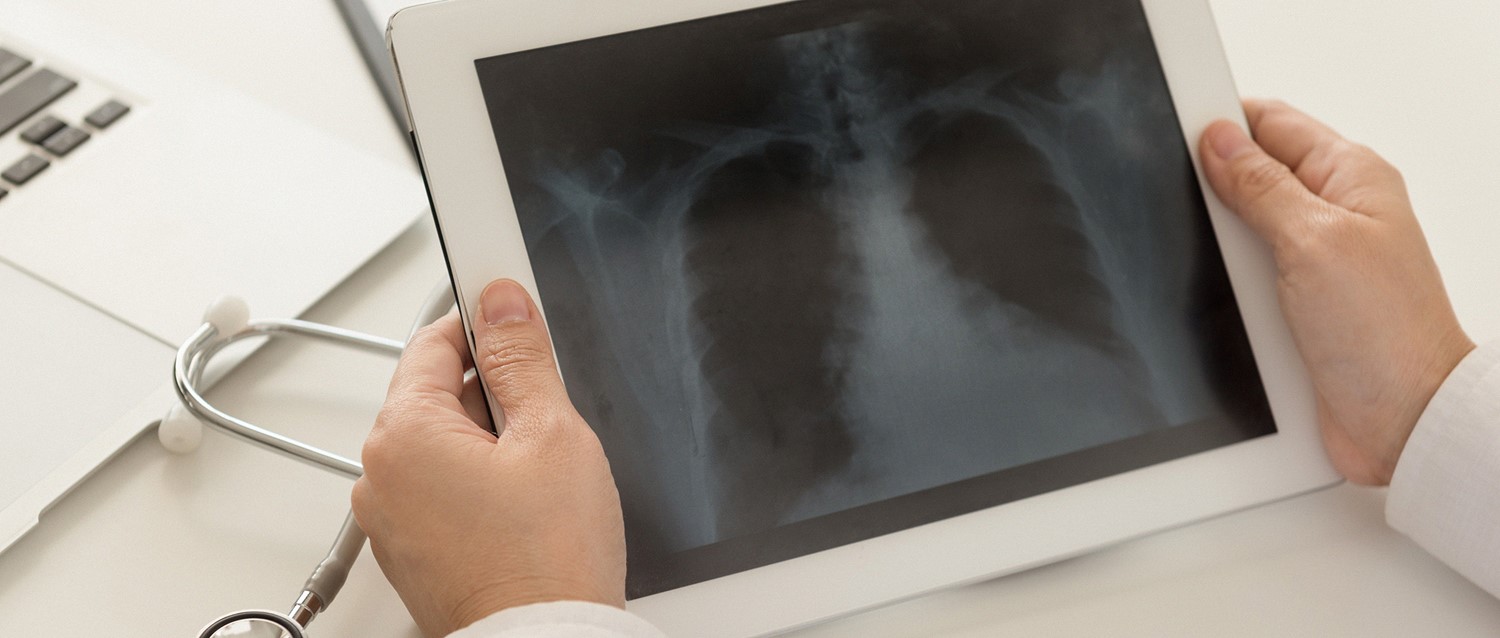
छाती और फेफड़े
क्रॉनिक ऑब्सट्रक्टिव पल्मोनरी डिजीज
क्रॉनिक ऑब्सट्रक्टिव पल्मोनरी डिजीज (सीओपीडी) फेफड़ों की एक दीर्घकालिक स्थिति है जिसमें फेफड़ों में हवा का प्रवाह अवरुद्ध हो जाता है। लक्षणों में खांसी और सांस फूलना शामिल हैं। यह स्थिति अक्सर धूम्रपान के कारण होती है और सबसे महत्वपूर्ण उपचार धूम्रपान छोड़ना है। लक्षणों को कम करने के लिए इनहेलर का सामान्यतः उपयोग किया जाता है। अन्य उपचार जैसे स्टेरॉयड, एंटीबायोटिक्स, ऑक्सीजन, और बलगम-पतला करने वाली (म्यूकोलिटिक) दवाएं कभी-कभी अधिक गंभीर मामलों में, या लक्षणों के बढ़ने (अतिशयोक्ति) के दौरान निर्धारित की जाती हैं।.
डॉ. टोनी हैज़ल, FRCGP द्वारा

छाती और फेफड़े
एम्फ़ाइसेमा
Emphysema is a progressive lung condition that is a form of chronic obstructive pulmonary disease. Smoking is the most common cause of emphysema.
डॉ. फिलिपा विंसेंट, MRCGP द्वारा
अक्सर पूछे जाने वाले प्रश्न
फुफ्फुसीय धमनी उच्च रक्तचाप क्या है?
फुफ्फुसीय धमनी उच्च रक्तचाप एक असामान्य स्थिति है जिसमें आपके हृदय के दाहिने हिस्से को आपके फेफड़ों में रक्त पंप करने के लिए बहुत अधिक मेहनत करनी पड़ती है, जिससे यह थक जाता है। यह स्थिति एक कारण हो सकती है कि किसी व्यक्ति को क्रॉनिक ऑब्सट्रक्टिव पल्मोनरी डिजीज (COPD) के लिए ऑक्सीजन थेरेपी क्यों दी जा सकती है।.
यदि मैं केवल कुछ घंटों के लिए ऑक्सीजन का उपयोग करता हूँ, तो क्या यह फिर भी मदद करेगा?
यदि आपको ऑक्सीजन थेरेपी निर्धारित की गई है, तो आमतौर पर इसे कम से कम 15 घंटे प्रतिदिन और कभी-कभी 20 घंटे तक उपयोग करने की सिफारिश की जाती है। इसे कम समय के लिए उपयोग करने से दुर्भाग्यवश आपकी स्थिति के लिए अधिक लाभ नहीं मिलेगा।.
ऑक्सीजन का उपयोग करते समय धूम्रपान करना खतरनाक क्यों है?
ऑक्सीजन का उपयोग करते समय धूम्रपान करना अत्यंत खतरनाक है। ऑक्सीजन अत्यधिक ज्वलनशील होती है, और यदि इसमें आग लग जाती है, तो यह आपके चेहरे पर गंभीर जलन का कारण बन सकती है। विस्फोट का भी खतरा होता है, जो आपके घर में अन्य लोगों को खतरे में डाल सकता है।.
क्या मैं COPD होने पर दुकान से ऑक्सीजन मशीन खरीदकर उसे उपयोग कर सकता हूँ?
नहीं, आपको 'सिर्फ़ एहतियात के तौर पर' ऑक्सीजन का उपयोग करने की कोशिश नहीं करनी चाहिए या किसी और की ऑक्सीजन का उपयोग नहीं करना चाहिए। क्रॉनिक ऑब्सट्रक्टिव पल्मोनरी डिजीज (COPD) के लिए ऑक्सीजन थेरेपी एक विशेषज्ञ डॉक्टर द्वारा निर्धारित की जानी चाहिए। अनुचित उपयोग, जैसे कि बहुत अधिक ऑक्सीजन लेना, हानिकारक हो सकता है क्योंकि यह आपके मस्तिष्क को भ्रमित करता है और आपकी सांस को काफी धीमा कर सकता है, जिससे बेहोशी हो सकती है।.
क्या निर्धारित करता है कि मैं ऑक्सीजन थेरेपी के लिए योग्य हूँ?
एक फेफड़े विशेषज्ञ यह मूल्यांकन करेंगे कि क्या आप ऑक्सीजन थेरेपी के लिए विशिष्ट मानदंडों को पूरा करते हैं। इन मानदंडों में आपके रक्त में बहुत कम ऑक्सीजन स्तर (PaO2 7.3 kPa से कम) शामिल है जब आपका COPD स्थिर होता है। अन्य कारकों में 7.3 kPa और 8.0 kPa के बीच PaO2 शामिल है, जो उच्च लाल रक्त कोशिका स्तर, रात में कम ऑक्सीजन स्तर, सूजे हुए पैर और टखने, या फुफ्फुसीय धमनी उच्च रक्तचाप जैसी स्थितियों के साथ संयुक्त होता है।.
अगर ऑक्सीजन उपकरण निर्धारित किया गया है, तो मुझे यह कैसे प्राप्त होगा?
यदि आपको ऑक्सीजन निर्धारित की जाती है, तो आपका डॉक्टर एक फॉर्म पूरा करेगा और इसे आपके देश की एक विशेष कंपनी को भेजेगा। यह कंपनी तब ऑक्सीजन कैनिस्टर या ऑक्सीजन कंसंट्रेटर मशीन सीधे आपके घर पर पहुंचाएगी।.
अधिक पठन और संदर्भ
- क्रॉनिक ऑब्सट्रक्टिव पल्मोनरी डिजीज; NICE Clinical Guideline (2010)
लेखक के बारे मेंपूरा जीवन परिचय देखें
अपडेट किया

डॉ. ओलिवर स्टार, MRCGP
MBChB, BMedSc, MRCS, MRCGP, DRCOG
Dr Oliver Starr is a general practitioner in Hertfordshire and an undergraduate tutor at University College Medical School.
समीक्षक के बारे मेंपूरा जीवन परिचय देखें

प्रोफ कैथी जैक्सन, एमआरसीजीपी
चिकित्सा लेखक
बीएससी (ऑनर्स) फिजियोलॉजी, एमबी, चबी, एमआरसीजीपी, एमडी
प्रोफेसर कैथी जैक्सन ने मैनचेस्टर मेडिकल स्कूल से स्नातक किया, इस दौरान उन्होंने फिजियोलॉजी में प्रथम श्रेणी के सम्मान के साथ डिग्री प्राप्त की।.
चिकित्सा पेशेवर
Looking for more in-depth clinical detail? Our Professional Reference articles are written for doctors, nurses and other healthcare professionals. They include comprehensive clinical guidance, diagnostic information and UK/European evidence summaries. If you need the clinical version, you can read the Professional Reference article on this topic.
हमारे में दूसरों के साथ अपने विचार या अनुभव साझा करें रोगी समुदायों.
ऑनलाइन विश्वसनीय उपचार और स्वास्थ्य सेवाओं तक सरल पहुंच।.
Common conditions
Get help with common conditions through the NHS, without a GP appointment.





पेशेंट न्यूज़लेटर के लिए साइन अप करें
आपकी साप्ताहिक खुराक स्पष्ट, विश्वसनीय स्वास्थ्य सलाह की - जो आपको सूचित, आत्मविश्वासी और नियंत्रण में महसूस करने में मदद करने के लिए लिखी गई है।.
सदस्यता लेने पर आप हमारी स्वीकार करते हैं गोपनीयता नीति. आप किसी भी समय सदस्यता समाप्त कर सकते हैं। हम कभी भी आपका डेटा नहीं बेचते।.