एसिड रिफ्लक्स आहार: खाने और बचने वाले खाद्य पदार्थ
द्वारा सहकर्मी समीक्षा की गई Dr Colin Tidy, MRCGPद्वारा अंतिम अपडेट Lynn Stephenअंतिम अद्यतन 21 Oct 2025
मरीज की संपादकीय दिशानिर्देशों
- डाउनलोडडाउनलोड
- साझा करें
- Language
- चर्चा
- ऑडियो संस्करण
- Google पर पसंदीदा स्रोतों में जोड़ें
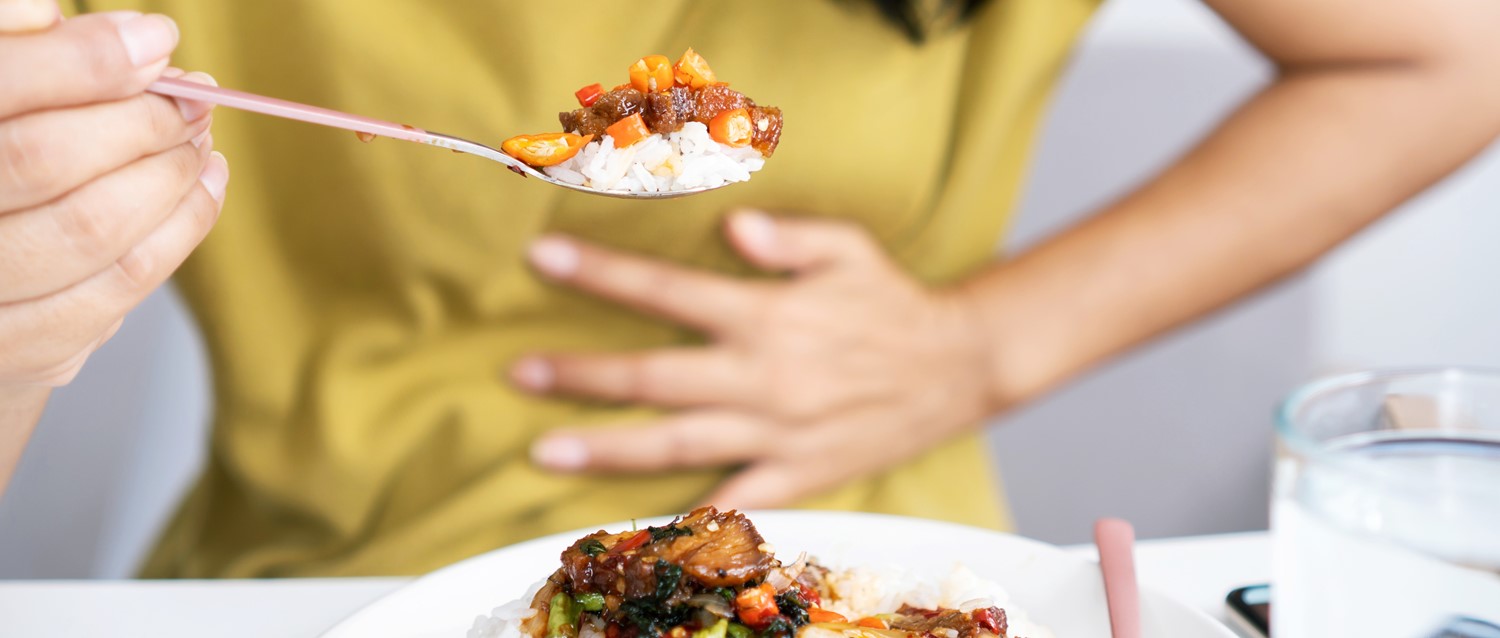
यदि आपको खाने के बाद छाती में जलन या गले में ऊपर की ओर जलन महसूस होती है, तो संभवतः आप एसिड रिफ्लक्स का अनुभव कर रहे हैं - जिसे आमतौर पर हार्टबर्न कहा जाता है। कुछ खाद्य पदार्थ इस परेशान करने वाले और असुविधाजनक लक्षण को ट्रिगर करने की अधिक संभावना रखते हैं। इसलिए, यदि यह भोजन के बाद बार-बार होता है, तो यह देखना मददगार हो सकता है कि आप कैसे खाते हैं और क्या खाते हैं।.

What is acid reflux?
Acid reflux, also known as गैस्ट्रो-इसोफेगल रिफ्लक्स रोग (GORD) is caused by acid from the stomach leaking up into your food pipe (oesophagus).
When we say we have heartburn, we're describing the feeling of acid reflux - that burning pain in your chest. Acid reflux can also cause this sensation in your throat.
What causes acid reflux?
The symptoms can be caused by several different factors in your body:
आपका stomach may be producing too much acid. One of the triggers for this can be stress.
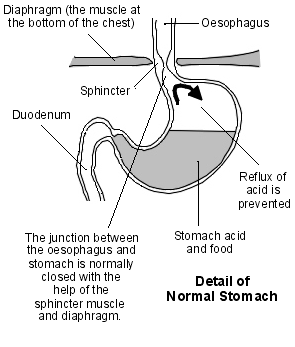
The muscle ring (sphincter) at the bottom of your food pipe may be too relaxed and open, allowing food and acid to reflux upwards. Alcohol and smoking both relax the sphincter.
In people with a hiatus hernia, stomach contents can reflux easily into your oesophagus.
आपका stomach may be slow to empty after eating. This is more likely if you eat a fatty meal.
Something may be increasing the pressure in your tummy (abdomen), forcing stomach contents upwards. Factors which increase the pressure include tight clothing, obesity, pregnancy and coughing.
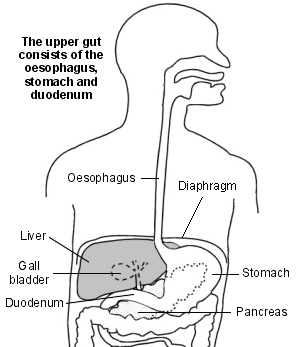
ऊपरी आंत और आस-पास के अंगों का चित्र
सामान्य पेट का चित्र
What can trigger acid reflux?
It is helpful to try to identify whether there are any particular foods which trigger your acid reflux. It might be a good idea to keep a food diary for at least a week, recording what you eat and drink and what symptoms you have.
There is quite a big list of foods which are said to cause acid reflux. However, they may not all apply to you. For some people, acid reflux may not be triggered by particular foods at all but by other factors. Sometimes the trigger may be a combination of foods and other factors.
There are lots of factors around eating which can make these symptoms worse:
Eating late at night. If possible, don't eat a large meal within three hours of going to bed.
Eating just before you exercise.
Eating large meals.
Eating quickly.
Obesity. Even a moderate वजन घटाना may help to reduce symptoms.
Having a lot of fluid to drink with a meal.
Foods to avoid with acid reflux
There are some foods which individual people find make acid reflux worse. An acid reflux diet doesn't have to mean missing out on all these foods - your food triggers may be different. But these foods have all been suggested as reflux triggers, so it's worth noting if you get symptoms after eating any of them.
Foods to avoid:
चॉकलेट।.
Mint.
Tomatoes.
प्याज।.
लहसुन।.
Citrus fruits - such as oranges and lemons.
Caffeinated and fizzy drinks.
Coffee
Peppers.
Cucumber.
Spicy foods.
Processed meats - for example, salami, bacon.
How to get rid of acid reflux
An acid reflux diet involves cutting all of the suggested foods out of your diet for one or two weeks to see if your symptoms disappear. If they do disappear then you could add these foods back into your diet one at a time to see if they are what is causing your reflux.
If your symptoms come back, perhaps because of other factors as listed above, you may need to cut out potential triggers again until the symptoms have settled down.
Foods to eat with acid reflux
There aren't any specific foods to eat to treat that feeling of heartburn, but in general, a स्वस्थ आहार is associated with a lower chance of acid reflux symptoms.
In particular:
Fresh fruits and vegetables, especially raw fruits and leafy green vegetables.
Non-acidic fruit, such as melons and bananas, may be better than more acidic fruits - such as oranges.
Good bacteria (प्रोबायोटिक्स), such as those found in yoghurt.
Indigestion and heartburn are rarely due to a serious cause, but there are some possible warning signs which should be checked out by a doctor.
Symptoms not to ignore when it comes to heartburn:
Persistent heartburn or indigestion (acid reflux, dyspepsia).
Vomiting after eating.
Feeling full after small amounts of food.
Food sticking as you try to swallow it - difficulty swallowing (dysphagia).
वजन घटाना।.
Pain in the front or back of the chest as you swallow.
भूख में कमी।.
Persistent stomach pain.
New feeling of being tired all the time (fatigue).
Darker poo - if it is black or tarry, call for an emergency ambulance immediately as this could be a stomach bleed and can be life threatening.
रोगी के लिए चयन Indigestion and heartburn
पाचन स्वास्थ्य
आईबीएस आहार: खाने और बचने वाले खाद्य पदार्थ
Diet and lifestyle management can be used as a treatment for irritable bowel syndrome (IBS). People with IBS should use a staged approach to try and treat their symptoms. It may be as simple as eating healthily and changing lifestyle factors. There may be slightly stricter and more specific ways to manage symptoms with a plan called the low FODMAP diet.
विक्टोरिया रॉ द्वारा
पाचन स्वास्थ्य
अपच से छुटकारा कैसे पाएं
Indigestion is incredibly common and can affect people differently. Fortunately, there are ways of managing it, most of which are simple lifestyle changes.
एमिली जेन बैशफोर्थ द्वारा
लेखक के बारे मेंपूरा जीवन परिचय देखें

Dr Jan Sambrook, MRCGP
सामान्य चिकित्सक, चिकित्सा लेखक
MBChB, MRCGP
डॉ. जान सैम्ब्रुक ने 1992 में शेफ़ील्ड विश्वविद्यालय से योग्यता प्राप्त की।.
समीक्षक के बारे मेंपूरा जीवन परिचय देखें

Dr Colin Tidy, MRCGP
सामान्य चिकित्सक, चिकित्सा लेखक
MBBS, MRCGP, MRCP (Paediatrics), DCH
डॉ. कॉलिन टिडी एक एनएचएस डॉक्टर हैं, जो ऑक्सफोर्डशायर में स्थित हैं।.
लेख का इतिहास
इस पृष्ठ की जानकारी योग्य चिकित्सकों द्वारा सहकर्मी समीक्षा की गई है।.
लेख इन भाषाओं में भी उपलब्ध है अंग्रेज़ी, जर्मन, स्पेनिश, फ्रेंच, इतालवी, पुर्तगाली, हिंदी, हिब्रू, अरबी, और स्वीडिश.
अगली समीक्षा की तिथि: 22 अक्टूबर 2028
21 Oct 2025 | नवीनतम संस्करण
10 Sept 2017 | मूल रूप से प्रकाशित
द्वारा लिखित:
Dr Jan Sambrook, MRCGP

पूछें, साझा करें, जुड़ें।.
चर्चाओं को ब्राउज़ करें, प्रश्न पूछें, और सैकड़ों स्वास्थ्य विषयों पर अनुभव साझा करें।.

अस्वस्थ महसूस कर रहे हैं?
अपने लक्षणों का ऑनलाइन मुफ्त में मूल्यांकन करें
पेशेंट न्यूज़लेटर के लिए साइन अप करें
आपकी साप्ताहिक खुराक स्पष्ट, विश्वसनीय स्वास्थ्य सलाह की - जो आपको सूचित, आत्मविश्वासी और नियंत्रण में महसूस करने में मदद करने के लिए लिखी गई है।.
सदस्यता लेने पर आप हमारी स्वीकार करते हैं गोपनीयता नीति. आप किसी भी समय सदस्यता समाप्त कर सकते हैं। हम कभी भी आपका डेटा नहीं बेचते।.
पाचन स्वास्थ्य में अधिक
- बच्चों में अपेंडिसाइटिस: लक्षण क्या हैं?
- क्या पुरुषों और महिलाओं में आईबीएस के लक्षण अलग होते हैं?
- क्या गैस्ट्रोएंटेराइटिस के दीर्घकालिक प्रभाव हो सकते हैं?
- क्या यह पित्ताशय की पथरी हो सकती है?
- पित्ताशय की पथरी आहार: खाने और बचने वाले खाद्य पदार्थ
- हायटस हर्निया उपचार विकल्प
- आंत के बैक्टीरिया मूड, ध्यान और मस्तिष्क स्वास्थ्य को कैसे प्रभावित करते हैं
- आईबीएस सेक्स, डेटिंग और रिश्तों को कैसे प्रभावित करता है
- बवासीर से छुटकारा कैसे पाएं
- फंसी हुई गैस से छुटकारा कैसे पाएं: प्रभावी घरेलू उपचार
- घर पर फूड पॉइज़निंग का इलाज कैसे करें
- क्या यह अपच है या कुछ अधिक गंभीर?
- क्या यह वास्तव में रिफ्लक्स है? क्यों आपको गलत तरीके से पीपीआई निर्धारित किया जा सकता है
- आंत स्वास्थ्य और खुशी के बीच का संबंध
- आपके मल में खून का क्या मतलब हो सकता है
- रात में पेट में ऐंठन का कारण क्या होता है?
- आईबीएस और चिंता के बीच क्या संबंध है?
- स्ट्रोक से उबरने और आंत के स्वास्थ्य के बीच क्या संबंध है?
- ऑटोइम्यून हेपेटाइटिस क्या है और यह अन्य रूपों से कैसे भिन्न है?
- बच्चों में हेपेटाइटिस में वृद्धि क्यों हुई है?