आपके घर के लिए आवश्यक प्राथमिक चिकित्सा सामग्री
द्वारा सहकर्मी समीक्षा की गई डॉ सारा जार्विसद्वारा अंतिम अपडेट Danny Chadburnअंतिम अद्यतन 19 Oct 2017
मरीज की संपादकीय दिशानिर्देशों
- डाउनलोडडाउनलोड
- साझा करें
- Language
- चर्चा
- ऑडियो संस्करण
- Google पर पसंदीदा स्रोतों में जोड़ें
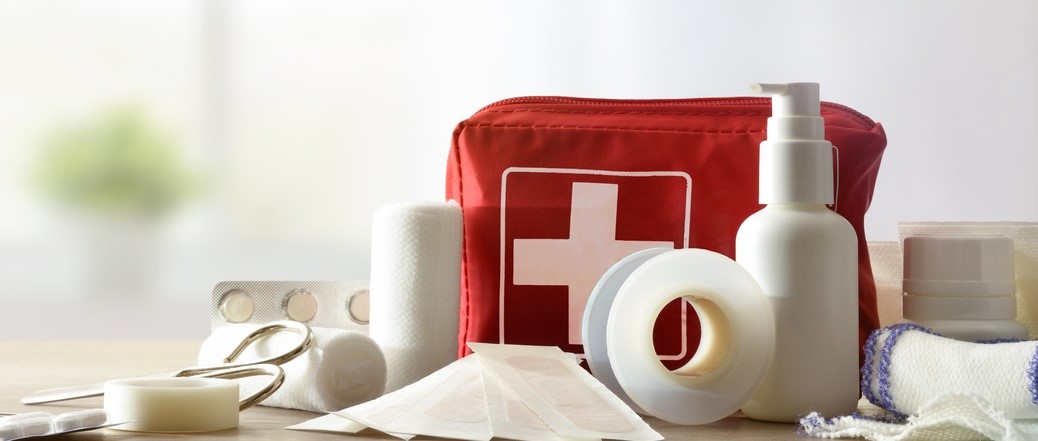
हम सभी घर पर आपातकालीन चिकित्सा स्थितियों के लिए तैयार रहना पसंद करते हैं, विशेष रूप से वे लोग जो बच्चों, बुजुर्गों या किसी विशेष रूप से दुर्घटना-प्रवण व्यक्ति के साथ रहते हैं। एक कट को ढकने से लेकर गंभीर जलन का इलाज करने तक, एक अच्छी तरह से सुसज्जित प्राथमिक चिकित्सा किट रोगी की रिकवरी में महत्वपूर्ण साबित हो सकती है।.
'You never know when you will need a first aid kit. It's not only useful for putting a plaster on a small cut, but also for more serious ailments from severe bleeding to broken bones,' says Isobel Kearl, product implementation officer at St John Ambulance.
'Immediate first aid attention can lessen the likelihood of injuries getting worse. Even small cuts and grazes can become infected if left untreated and, if sepsis takes hold, they can become life-threatening. By treating injuries with a sterile wipe and dressing the wound appropriately, this risk can be dramatically reduced.'
Kearl recommends these essential first aid kit items for every home:
Sterile medical wipes - useful to clean cuts and grazes, and other small wounds.
Waterproof plasters to keep small injuries clean.
Fabric plaster strip - if the wound is bigger or awkwardly shaped, you can cut your own plasters to size.
Adhesive wound dressing to protect wounds from dirt and germs.
Low-adherent wound dressing to protect wounds from dirt and germs, while allowing the skin to breathe and providing cushioning.
Crepe bandage to provide support for sprains and strains, and hold dressings in place.
Stretch bandage to keep dressings in place, especially in awkward areas like joints.
Microporous tape to hold dressings in place, or used alone for minor cuts and grazes.
Safety pins to secure bandages or slings.
Triangular bandage to make a sling or used to hold dressings in place in awkward areas.
Eye pad dressing for minor eye injuries.
Eye wash phial to wash a foreign body out of the eye.
Burn gel sachets to absorb and disperse heat from burn injuries if no water is available.
Heat-retaining foil blanket for treating shock or hypothermia.
Instant ice pack for reducing swelling in sprains and strains.
Disposable gloves to prevent infections to yourself and the patient - go for nitrile if you're worried about latex allergies.
Tweezers or a splinter remover.
Blunt-ended scissors to cut bandages or a patient's clothing to access a wound.
When to replace your items
When stored correctly, nitrile gloves have a shelf life around four years. Any topical creams or ointments have an expiration date around three years. You should also check for any dates printed on to tubes or packaging.
For sterile medical wipes and eye wash, always check the expiration date as the seal may have become compromised over time and caused contamination.
Many ice packs don't have expiration dates; however, some companies advise replacing them every few years as the plastic may have degraded causing them to leak.
Alternative first aid equipment
If you can't get to a first aid kit, there are some household items that will double up as first aid equipment too. These include:
Tweezers to remove ticks or splinters (not bee stings as they can push more venom into the skin) - sterilise beforehand with boiling water or rubbing alcohol.
A credit card for removing a bee stings - try scraping it across the surface of your skin so the stinger catches the edge and is pushed up.
Distilled white vinegar - this can be used to treat mild cuts and abrasions when diluted in a 50/50 mixture of water and vinegar, but beware that it may sting.
A bag of frozen vegetables can be used in place of an ice pack.
Duct tape can be used to seal an open wound - use a clean piece of cloth, such as an old T-shirt, between the skin and the tape to help protect the wound but make sure it's not so tight that it cuts off circulation.
रोगी के लिए चयन प्राथमिक चिकित्सा

उपचार और दवा
सीपीआर सीखने का महत्व
ब्रिटिश हार्ट फाउंडेशन (BHF) के अनुसार हर साल 30,000 लोगों को कार्डियक अरेस्ट होता है। इनमें से दस में से एक से भी कम लोग जीवित बच पाते हैं। कार्डियक अरेस्ट किसी को भी, कहीं भी, किसी भी समय - और बिना चेतावनी के हो सकता है। सीपीआर कैसे करना है यह जानना किसी की जीवित बचने की संभावना को दोगुना कर सकता है। हम उन वास्तविक जीवन के नायकों से सुनते हैं जिन्होंने सीपीआर के माध्यम से जीवन बचाया है। उनकी कहानियाँ इस जीवन रक्षक कौशल को सीखने के महत्वपूर्ण महत्व को उजागर करती हैं।.
विक्टोरिया रॉ द्वारा
उपचार और दवा
सुरक्षित और खुशहाल क्रिसमस के लिए 4 प्राथमिक चिकित्सा सुझाव
It’s that time of year we’ve all been waiting for - a chance to unwind and enjoy our favourite Christmas traditions. But even with the cosy, carefree vibes, it’s worth remembering that Christmas can actually bring a few extra hazards into your home. So as the festivities ramp up, St John Ambulance is sharing some down-to-earth first aid tips to help keep the season happy and safe.
विक्टोरिया रॉ द्वारा
लेखक के बारे में

Danny Chadburn
सामग्री प्रमुख
डैनी पहले Patient में कंटेंट के प्रमुख थे।.
समीक्षक के बारे मेंपूरा जीवन परिचय देखें

डॉ सारा जार्विस
क्लिनिकल कंसल्टेंट
MA (Cantab), BM, BCh (Oxon), DRCOG, FRCGP, MBE
कैम्ब्रिज और ऑक्सफोर्ड में चिकित्सा का प्रशिक्षण लेने के बाद, डॉ सारा जार्विस MBE एक जीपी बन गईं।.
लेख का इतिहास
इस पृष्ठ की जानकारी योग्य चिकित्सकों द्वारा सहकर्मी समीक्षा की गई है।.
लेख इन भाषाओं में भी उपलब्ध है अंग्रेज़ी, जर्मन, स्पेनिश, फ्रेंच, इतालवी, पुर्तगाली, हिंदी, हिब्रू, अरबी, और स्वीडिश.
19 Oct 2017 | नवीनतम संस्करण

पूछें, साझा करें, जुड़ें।.
चर्चाओं को ब्राउज़ करें, प्रश्न पूछें, और सैकड़ों स्वास्थ्य विषयों पर अनुभव साझा करें।.

अस्वस्थ महसूस कर रहे हैं?
अपने लक्षणों का ऑनलाइन मुफ्त में मूल्यांकन करें
पेशेंट न्यूज़लेटर के लिए साइन अप करें
आपकी साप्ताहिक खुराक स्पष्ट, विश्वसनीय स्वास्थ्य सलाह की - जो आपको सूचित, आत्मविश्वासी और नियंत्रण में महसूस करने में मदद करने के लिए लिखी गई है।.
सदस्यता लेने पर आप हमारी स्वीकार करते हैं गोपनीयता नीति. आप किसी भी समय सदस्यता समाप्त कर सकते हैं। हम कभी भी आपका डेटा नहीं बेचते।.
उपचार और दवा में अधिक
- सर्जरी से पहले पूछने के लिए 15 प्रश्न
- क्या चेहरे के व्यायाम नींद, भाषण और मौखिक स्वास्थ्य के लिए अच्छे हैं?
- क्या आप थेरेपी ले सकते हैं अगर आपको मानसिक स्वास्थ्य समस्या नहीं है?
- नसबंदी के बाद यौन संबंध बनाना
- छुट्टी प्राथमिक चिकित्सा किट आवश्यकताएँ
- विभिन्न प्रकार की थेरेपी के बीच कैसे निर्णय लें
- एंटीडिप्रेसेंट्स को सुरक्षित रूप से कैसे बदलें
- आईबीएस के लिए सम्मोहन चिकित्सा: आंत-मस्तिष्क धुरी
- ऑर्लिस्टैट स्वस्थ आहार गाइड
- क्या आपको दर्द निवारक दवाओं की लत की चिंता करनी चाहिए?
- क्या आपको स्टेरॉयड और उनके दुष्प्रभावों के बारे में चिंता करनी चाहिए?
- Under-18s unable to access Botox and fillers: is it a good thing?
- रूपांतरण चिकित्सा से क्या नुकसान हो सकता है और इसे प्रतिबंधित क्यों नहीं किया गया है?
- अंग प्रत्यारोपण प्रतीक्षा सूची में होने का अनुभव कैसा होता है
- जीवन के अंत की देखभाल के बारे में आपको क्या जानना चाहिए
- आपको एंटीडिप्रेसेंट्स लेना कब बंद कर देना चाहिए?
- आपातकाल में दवा कहाँ प्राप्त करें
- एंटीबायोटिक्स का अधिक उपयोग क्यों नहीं करना चाहिए
- हमें स्तन प्रत्यारोपण बीमारी के बारे में बात करने की आवश्यकता क्यों है
- क्या एंटीडिप्रेसेंट्स लेने से वास्तव में वजन बढ़ेगा?