Familial erythrocytosis
अंतिम अद्यतन 18 Aug 2020
मरीज की संपादकीय दिशानिर्देशों
- डाउनलोडडाउनलोड
- साझा करें
- Language
- चर्चा
- ऑडियो संस्करण
- Google पर पसंदीदा स्रोतों में जोड़ें
Familial erythrocytosis is an inherited condition characterised by an increased number of red blood cells (erythrocytes). The primary function of these cells is to carry oxygen from the lungs to tissues and organs throughout the body. Signs and symptoms of familial erythrocytosis can include headaches, dizziness, nosebleeds, and shortness of breath. The excess red blood cells also increase the risk of developing abnormal blood clots that can block the flow of blood through arteries and veins. If these clots restrict blood flow to essential organs and tissues (particularly the heart, lungs, or brain), they can cause life-threatening complications such as a heart attack or stroke. However, many people with familial erythrocytosis experience only mild signs and symptoms or never have any problems related to their extra red blood cells.
विवरण
Familial erythrocytosis is an inherited condition characterised by an increased number of red blood cells (erythrocytes). The primary function of these cells is to carry oxygen from the lungs to tissues and organs throughout the body. Signs and symptoms of familial erythrocytosis can include headaches, dizziness, nosebleeds, and shortness of breath. The excess red blood cells also increase the risk of developing abnormal blood clots that can block the flow of blood through arteries and veins. If these clots restrict blood flow to essential organs and tissues (particularly the heart, lungs, or brain), they can cause life-threatening complications such as a heart attack or stroke. However, many people with familial erythrocytosis experience only mild signs and symptoms or never have any problems related to their extra red blood cells.
Inheritance patterns
The source lists the following possible inheritance patterns: Autosomal recessive; Autosomal dominant. More than one pattern can apply in different cases.
Related genes
Other names
Benign familial polycythemia
Congenital erythrocytosis
Familial polycythemia
Hereditary erythrocytosis
Primary familial polycythemia
Related patient information and medicines
Patient information leaflet
पॉलीसाइथेमिया रूब्रा वेरा
Polycythaemia rubra vera (PRV) is a myeloproliferative disorder, which means the bone marrow makes too many blood cells. It is also sometimes just called polycythaemia (PV). As these stem cells can develop into either red blood cells, platelets or white blood cells, if you have PRV, you may also have an abnormally high number of platelets and.
Patient information leaflet
विस्तारित कार्डियोमायोपैथी
Dilated cardiomyopathy is a condition where the heart muscle becomes stretched and thin. The heart becomes enlarged (dilates) and pumps blood less well. Another possibility is that an unknown viral infection may be responsible. About one in four people with idiopathic dilated कार्डियोमायोपैथी have a familial (hereditary) form. This means that.
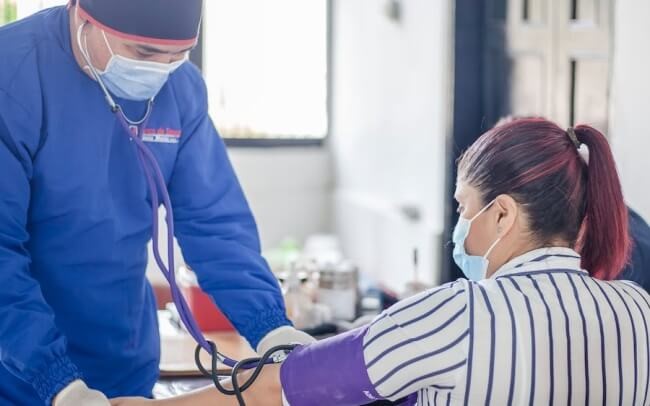
Patient information leaflet
Cardiovascular health risk assessment
ए cardiovascular health risk assessment provides an accurate estimate of your risk of developing cardiovascular disease (eg, angina, heart attack, stroke or peripheral arterial disease) over the following 10 years, and provides an opportunity for you to make any changes that will reduce this risk. Who is a person with familial.
Patient information leaflet
हाइपरलिपिडेमिया
हाइपरलिपिडेमिया means a high level of cholesterol or triglycerides in your blood. What causes hyperlipidaemia. Hyperlipidaemia is often found when peopl... It can also be the result of drinking too much alcohol. It can be something that you may have inherited through your family genes (known as primary hyperlipidaemia) and approximately 1 person.
Patient information leaflet
पेफिगस वल्गेरिस
पेफिगस वल्गेरिस is a very serious skin disease that causes blisters. It is rare. Pemphigus vulgaris is more serious than most other blistering skin conditions. Before treatment became available, most people with the condition used to die soon after the disease started. These days most cases can be controlled with treatment. Treatment is usually.
Patient information leaflet
क्रोनिक लिम्फोसाइटिक ल्यूकेमिया
Chronic lymphocytic leukaemia (CLL) is a condition where you have many abnormal B lymphocyte white blood cells. What is chronic lymphocytic leukaemia. Chronic lymphocytic leukaemia (CLL) is a condition where you have many abnormal B lymphocyte white blood cells. The lymphocytes look normal under a microscope but are abnormal as they do not.
अधिक पठन और संदर्भ
- Familial erythrocytosis; MedlinePlus, National Library of Medicine.
- Cario H. Childhood polycythemias/erythrocytoses: classification, diagnosis, clinical presentation, and treatment. Ann Hematol. 2005 Mar;84(3):137-45. doi: 10.1007/s00277-004-0985-1. Epub 2004 Dec 15.
- Hodges VM, Rainey S, Lappin TR, Maxwell AP. Pathophysiology of anemia and erythrocytosis. Crit Rev Oncol Hematol. 2007 Nov;64(2):139-58. doi: 10.1016/j.critrevonc.2007.06.006. Epub 2007 Jul 25.
- Huang LJ, Shen YM, Bulut GB. Advances in understanding the pathogenesis of primary familial and congenital polycythaemia. Br J Haematol. 2010 Mar;148(6):844-52. doi: 10.1111/j.1365-2141.2009.08069.x. Epub 2010 Jan 20.
- Hussein K, Percy M, McMullin MF. Clinical utility gene card for: familial erythrocytosis. Eur J Hum Genet. 2012 May;20(5). doi: 10.1038/ejhg.2011.252. Epub 2012 Jan 25. No abstract available.
- Lee FS, Percy MJ. The HIF pathway and erythrocytosis. Annu Rev Pathol. 2011;6:165-92. doi: 10.1146/annurev-pathol-011110-130321.
- McMullin MF. HIF pathway mutations and erythrocytosis. Expert Rev Hematol. 2010 Feb;3(1):93-101. doi: 10.1586/ehm.09.68.
- Percy MJ, Lee FS. Familial erythrocytosis: molecular links to red blood cell control. Haematologica. 2008 Jul;93(7):963-7. doi: 10.3324/haematol.13250. No abstract available.
- Percy MJ, Rumi E. Genetic origins and clinical phenotype of familial and acquired erythrocytosis and thrombocytosis. Am J Hematol. 2009 Jan;84(1):46-54. doi: 10.1002/ajh.21313.
बातचीत में शामिल हों
हमारे में दूसरों के साथ अपने विचार या अनुभव साझा करें रोगी समुदायों.

पूछें, साझा करें, जुड़ें।.
चर्चाओं को ब्राउज़ करें, प्रश्न पूछें, और सैकड़ों स्वास्थ्य विषयों पर अनुभव साझा करें।.
पेशेंट न्यूज़लेटर के लिए साइन अप करें
आपकी साप्ताहिक खुराक स्पष्ट, विश्वसनीय स्वास्थ्य सलाह की - जो आपको सूचित, आत्मविश्वासी और नियंत्रण में महसूस करने में मदद करने के लिए लिखी गई है।.
सदस्यता लेने पर आप हमारी स्वीकार करते हैं गोपनीयता नीति. आप किसी भी समय सदस्यता समाप्त कर सकते हैं। हम कभी भी आपका डेटा नहीं बेचते।.