ग्लूकोज-6-फॉस्फेट डिहाइड्रोजनेज की कमी
अंतिम अद्यतन 3 Apr 2025
मरीज की संपादकीय दिशानिर्देशों
- डाउनलोडडाउनलोड
- साझा करें
- Language
- चर्चा
- Ask Patient
- ऑडियो संस्करण
- Google पर पसंदीदा स्रोतों में जोड़ें
Glucose-6-phosphate dehydrogenase deficiency is a genetic disorder that affects red blood cells, which carry oxygen from the lungs to tissues throughout the body. In affected individuals, a defect in an enzyme called glucose-6-phosphate dehydrogenase causes red blood cells to break down prematurely. This destruction of red blood cells is called hemolysis.
के लिए वीडियो चयन आनुवंशिक स्थितियाँवीडियो लाइब्रेरी
विवरण
Glucose-6-phosphate dehydrogenase deficiency is a genetic disorder that affects red blood cells, which carry oxygen from the lungs to tissues throughout the body. In affected individuals, a defect in an enzyme called glucose-6-phosphate dehydrogenase causes red blood cells to break down prematurely. This destruction of red blood cells is called hemolysis.
The most common medical problem associated with glucose-6-phosphate dehydrogenase deficiency is hemolytic anaemia, which occurs when red blood cells are destroyed faster than the body can replace them. This type of anaemia leads to paleness, yellowing of the skin and whites of the eyes (jaundice), dark urine, fatigue, shortness of breath, and a rapid heart rate. In people with glucose-6-phosphate dehydrogenase deficiency, hemolytic anaemia is most often triggered by bacterial or viral infections or by certain drugs (such as some antibiotics and medications used to treat malaria). Hemolytic anaemia can also occur after eating fava beans or inhaling pollen from fava plants (a reaction called favism).
Glucose-6-phosphate dehydrogenase deficiency is also a significant cause of mild to severe jaundice in newborns. Many people with this disorder, however, never experience any signs or symptoms and are unaware that they have the condition.
Inheritance patterns
The source lists the following possible inheritance patterns: X-linked. More than one pattern can apply in different cases.
Related genes
Other names
Deficiency of glucose-6-phosphate dehydrogenase
G6PD की कमी
G6PDD
Glucose 6 phosphate dehydrogenase deficiency
Related patient information and medicines
Patient information leaflet
क्या मैं ग्लूकोसामाइन और विटामिन सी को एक साथ ले सकता हूँ?
Kidney stones (oxalate) High doses of Vitamin C (typically over 1000mg daily) can increase the amount of oxalate in your urine, significantly raising the risk of developing kidney stones if you are prone to them. G6PD की कमी If you have glucose-6-phosphate dehydrogenase (G6PD) deficiency, high doses of vitamin C can cause your red blood cells.

Patient information leaflet
पीलिया
Jaundice means that the skin and other body parts turn a yellow colour. This increased amount of bilirubin then spills into the tissues of the bod... Conditions that cause an increased rate of breakdown of red blood cells include: Some genetic diseases, such as sickle cell anaemia Sickle cell disease , thalassaemia Thalassaemia , spherocytosis,.
Patient information leaflet
क्या मैं अदरक और विटामिन सी को एक साथ ले सकता हूँ?
Kidney stones (Calcium oxalate) High doses of Vitamin C can significantly increase the amount of oxalate in your urine, which may lead to the formation of kidney stones, especially if you have a history of them. G6PD deficiency If you have glucose-6-phosphate dehydrogenase (G6PD) deficiency, high doses of vitamin C can cause your red blood cells.
Patient information leaflet
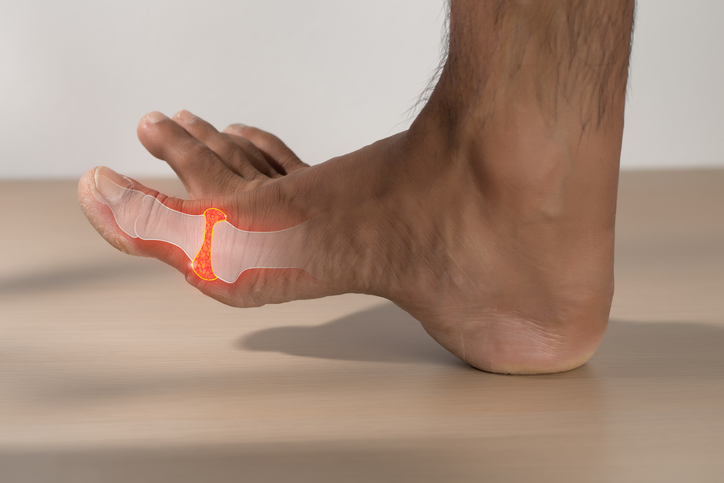
गठिया
What is gout? | Patient Explainers Gout causes attacks of pain and swelling in one or more joints. Find out more: [/health/gout-leaflet](https://patient.info/health/gout-leaflet) Follow Patient: Website: [/](https://patient.info/) Facebook: [https://www.facebook.com/patient](https://www.facebook.com/patient).

Patient information leaflet
गर्भवती होने की योजना बना रही हैं
This leaflet offers advice for women who are planning to become pregnant. The aim is to plan ahead to reduce t... Duchenne muscular dystrophy Fragile X syndrome. Haemophilias A और B. Glucose-6-phosphate dehydrogenase deficiency. Other medical conditions Other conditions for which it is best to see a doctor before becoming pregnant include:.
Patient information leaflet
क्या मैं आयरन और विटामिन सी को एक साथ ले सकता हूँ?
Kidney stones High doses of vitamin C can increase the amount of oxalate in your urine, which significantly raises the risk of developing kidney stones, especially if you have had them before. G6PD की कमी If you have glucose-6-phosphate dehydrogenase (G6PD) deficiency, high doses of vitamin C can cause your red blood cells to break down.
अधिक पठन और संदर्भ
- ग्लूकोज-6-फॉस्फेट डिहाइड्रोजनेज की कमी; MedlinePlus, National Library of Medicine.
- Cappellini MD, Fiorelli G. Glucose-6-phosphate dehydrogenase deficiency. Lancet. 2008 Jan 5;371(9606):64-74. doi: 10.1016/S0140-6736(08)60073-2.
- Frank JE. Diagnosis and management of G6PD deficiency. Am Fam Physician. 2005 Oct 1;72(7):1277-82.
- Luzzatto L, Nannelli C, Notaro R. Glucose-6-Phosphate Dehydrogenase Deficiency. Hematol Oncol Clin North Am. 2016 Apr;30(2):373-93. doi: 10.1016/j.hoc.2015.11.006.
- Manganelli G, Masullo U, Passarelli S, Filosa S. Glucose-6-phosphate dehydrogenase deficiency: disadvantages and possible benefits. Cardiovasc Hematol Disord Drug Targets. 2013 Mar 1;13(1):73-82. doi: 10.2174/1871529x11313010008.
- Nkhoma ET, Poole C, Vannappagari V, Hall SA, Beutler E. The global prevalence of glucose-6-phosphate dehydrogenase deficiency: a systematic review and meta-analysis. Blood Cells Mol Dis. 2009 May-Jun;42(3):267-78. doi: 10.1016/j.bcmd.2008.12.005. Epub 2009 Feb 23.
हमारे में दूसरों के साथ अपने विचार या अनुभव साझा करें रोगी समुदायों.
ऑनलाइन विश्वसनीय उपचार और स्वास्थ्य सेवाओं तक सरल पहुंच।.
Common conditions
Get help with common conditions through the NHS, without a GP appointment.





पेशेंट न्यूज़लेटर के लिए साइन अप करें
आपकी साप्ताहिक खुराक स्पष्ट, विश्वसनीय स्वास्थ्य सलाह की - जो आपको सूचित, आत्मविश्वासी और नियंत्रण में महसूस करने में मदद करने के लिए लिखी गई है।.
सदस्यता लेने पर आप हमारी स्वीकार करते हैं गोपनीयता नीति. आप किसी भी समय सदस्यता समाप्त कर सकते हैं। हम कभी भी आपका डेटा नहीं बेचते।.