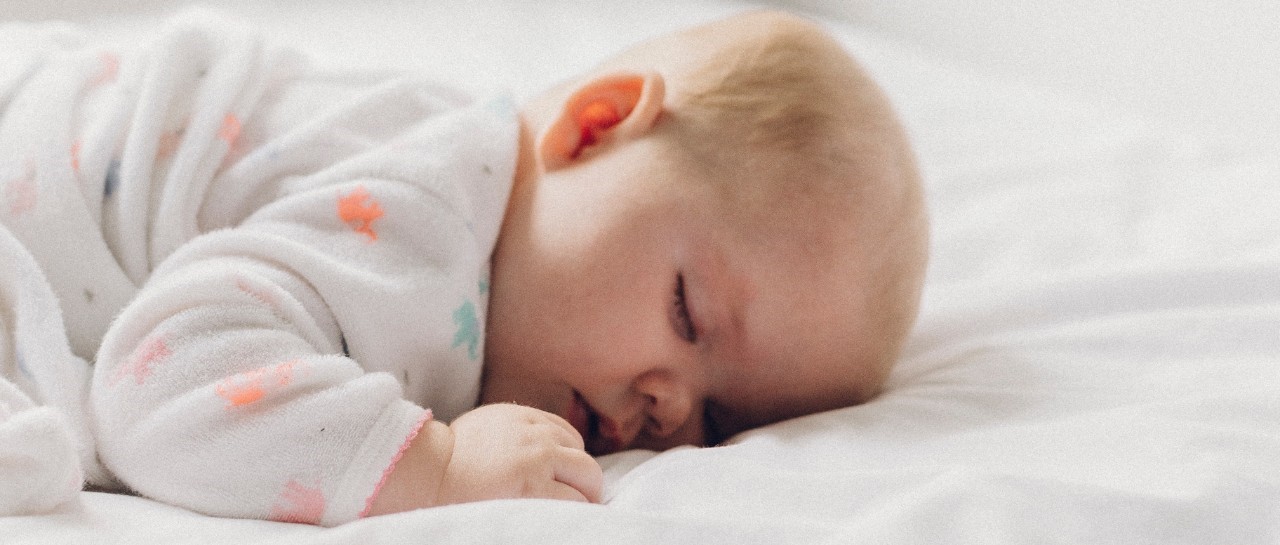
विशेषज्ञों ने सी-सेक्शन जन्मों को ऑटिज्म से जोड़ने वाले नए अध्ययन पर विवाद किया
द्वारा सहकर्मी समीक्षा की गई नताली हीलीद्वारा लिखित Milly Evansमूल रूप से प्रकाशित 30 अगस्त 2019
मरीज की संपादकीय दिशानिर्देशों
- डाउनलोडडाउनलोड
- साझा करें
- Language
- चर्चा
- Ask Patient
- ऑडियो संस्करण
- Google पर पसंदीदा स्रोतों में जोड़ें
A new review of the evidence has found that caesarean sections are associated with autism and ADHD. But the results are being disputed by clinicians and experts who say that C-sections don't cause developmental disorders.
हमारे मुफ्त 8-सप्ताह के स्वस्थ गर्भावस्था कोर्स के लिए साइन अप करें!
हर सप्ताह हम पोषण, व्यायाम, मानसिक स्वास्थ्य, ध्यान देने योग्य लक्षण, और प्रसव की तैयारी जैसे विषयों पर उपयोगी जानकारी और आवश्यक सुझाव साझा करेंगे, ताकि आपकी गर्भावस्था यात्रा के किसी भी चरण में आपकी मदद हो सके।.
सदस्यता लेने पर आप हमारी स्वीकार करते हैं गोपनीयता नीति. आप किसी भी समय सदस्यता समाप्त कर सकते हैं। हम कभी भी आपका डेटा नहीं बेचते।.
The analysis, published in JAMA Network Open, looked at previous studies including data from more than 20 million births, finding that there was a marginally increased risk of a child developing ऑटिज्म या ADHD if they were delivered through सीजेरियन सेक्शन. The findings combined 61 studies from 19 countries dating back to 1999. However, the study did not suggest that caesarean deliveries cause autism or ADHD, only that there was an association.
The association found was very small. Children delivered by caesarean section were 1.33 times more likely to develop autism and 1.17 times more likely to develop ADHD. The risk of being diagnosed with autism or ADHD is already low, at around 1% and 7% for autism and ADHD respectively. This means that the risk of a child developing autism increases to around 1.33% if they are born via caesarean section rather than vaginally.
Both ADHD and autism are developmental disorders. Autistic spectrum conditions affect how someone communicates with and relates to other people. ADHD affects behaviour including concentration, hyperactivity and difficulty staying focused
The results and reporting of this meta-analysis are being contested by experts as an association between caesarean sections and developmental disorders does not mean that delivery by caesarean section causes ADHD and autism.
There are many factors which increase the chances of someone choosing or needing a caesarean section rather than a vaginal birth. Women who are मोटापा and older, as well as those who have a history of immune conditions like अस्थमा, are more likely to have a caesarean section, says Andrew Whitehouse, Professor of Autism Research at the Telethon Kids Institute and the University of Western Australia.
"All of these factors have also been linked with an increased chance of having a child with autism, and it is entirely possible - and some would argue, probable - that it is more likely these factors underlie the relationship between caesarean section and neurodevelopmental disorders," he said in an article for The Conversation.
The researchers have said that more research is necessary in order to find the factors behind the association between caesarean sections and developmental disorders.
"This systematic review and meta-analysis shows an association between caesarean birth and autism and ADHD, but a number of underlying factors which may have led to the development of these conditions were not accounted for. Therefore, the findings of this paper do not show that caesarean birth leads to autism and ADHD," said Dr Pat O'Brien, Consultant Obstetrician and Spokesperson for the Royal College of Obstetricians and Gynaecologists.
"Women who have a caesarean birth should be reassured that it is a safe procedure. In many cases, a caesarean birth can be a lifesaving intervention, as well as the right choice for mother and baby. The vast majority of caesareans in the UK are performed for medical reasons, and should a woman request a caesarean, this should be fully supported in line with guidance from The National Institute for Health and Care Excellence."
यह अध्ययन प्रकाशित हुआ था JAMA Network Open.
रोगी के लिए चयन प्रसव और बच्चे का जन्म
गर्भावस्था
कम जोखिम वाली गर्भावस्था के लिए घर पर प्रसव अस्पताल जितना सुरक्षित
A study has shown that home births are as safe as hospital births for low-risk pregnancies.
मिली इवांस द्वारा
गर्भावस्था
सी-सेक्शन से जन्मे शिशुओं की आंतों में बैक्टीरिया सामान्य प्रसव से जन्मे शिशुओं से अलग होते हैं
A new study has found that the method of delivery affects the bacteria in a baby's gut, although the impact of these findings is currently unknown.
मिली इवांस द्वारा
लेखक के बारे मेंपूरा जीवन परिचय देखें
द्वारा लिखित

Milly Evans
संपादक
मिली स्वास्थ्य विषयों की एक श्रृंखला पर लिखती हैं, विशेष रूप से स्वास्थ्य असमानता और यौन स्वास्थ्य में रुचि रखती हैं।.
समीक्षक के बारे मेंपूरा जीवन परिचय देखें

Natalie Healey
फ्रीलांस पत्रकार
बीएससी (ऑनर्स) बायोमेडिकल साइंस
वह लंदन स्थित स्वास्थ्य पत्रकार हैं जो कई वर्षों से विज्ञान और चिकित्सा के बारे में लिख रही हैं। वह पेशेंट में संपादकीय की पूर्व प्रमुख हैं।.
लेख का इतिहास
लेख इन भाषाओं में भी उपलब्ध है अंग्रेज़ी, जर्मन, स्पेनिश, फ्रेंच, इतालवी, पुर्तगाली, हिंदी, हिब्रू, अरबी, और स्वीडिश.
30 अगस्त 2019 | मूल रूप से प्रकाशित
द्वारा लिखित:
Milly Evansद्वारा सहकर्मी समीक्षा की गई
Natalie Healey
हमारे में दूसरों के साथ अपने विचार या अनुभव साझा करें रोगी समुदायों.
ऑनलाइन विश्वसनीय उपचार और स्वास्थ्य सेवाओं तक सरल पहुंच।.
Common conditions
Get help with common conditions through the NHS, without a GP appointment.





पेशेंट न्यूज़लेटर के लिए साइन अप करें
आपकी साप्ताहिक खुराक स्पष्ट, विश्वसनीय स्वास्थ्य सलाह की - जो आपको सूचित, आत्मविश्वासी और नियंत्रण में महसूस करने में मदद करने के लिए लिखी गई है।.
सदस्यता लेने पर आप हमारी स्वीकार करते हैं गोपनीयता नीति. आप किसी भी समय सदस्यता समाप्त कर सकते हैं। हम कभी भी आपका डेटा नहीं बेचते।.