स्तन कैंसर के जोखिम को कम करने के लिए बीफ की जगह चिकन का सेवन करें, अध्ययन का सुझाव
द्वारा सहकर्मी समीक्षा की गई नताली हीलीद्वारा अंतिम अपडेट Ashwin Bhandariअंतिम अद्यतन 7 Aug 2019
मरीज की संपादकीय दिशानिर्देशों
- डाउनलोडडाउनलोड
- साझा करें
- Language
- चर्चा
- ऑडियो संस्करण
- Google पर पसंदीदा स्रोतों में जोड़ें
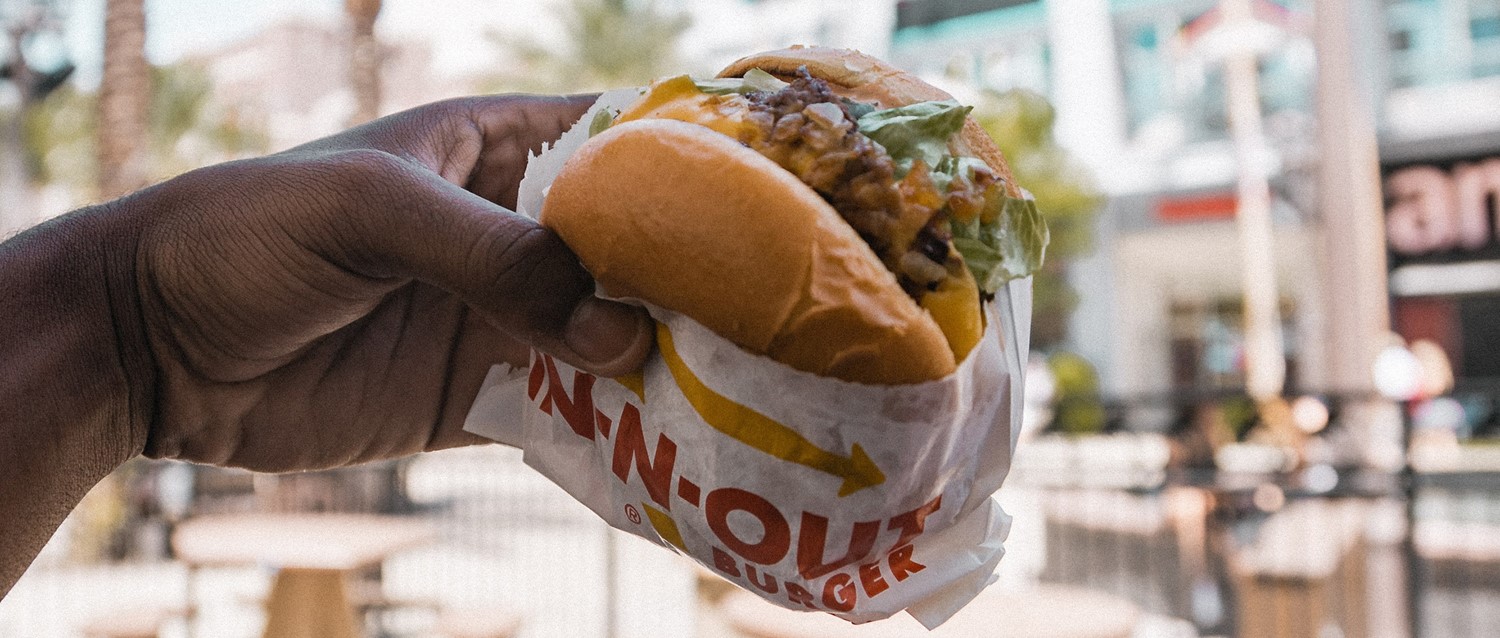
Switching from red meat to white may reduce the risk of developing breast cancer by more than a quarter, according to a new study.
The findings suggest red meat consumption may increase the risk of स्तन कैंसर, whereas poultry may protect against the disease.
Scientists in the US analysed dietary data from 42,000 women over eight years. When the participants were followed up, 1,500 had been diagnosed with breast cancer.
The women who ate the most amount of red meat increased their risk of cancer by 23%, compared to those who ate the lowest amount. But eating poultry was associated with a decreased breast cancer risk. Those who ate the most poultry had a 15% lower risk than those with the lowest consumption. The women who swapped red meat for poultry reduced their risk by 28%.
Lead author Dr Dale Sandler, from the National Institute of Environmental Health Sciences, said: "Red meat has been identified as a probable carcinogen. While the mechanism through which poultry consumption decreases breast cancer risk is not clear, our study does provide evidence that substituting poultry for red meat may be a simple change that can help reduce the incidence of breast cancer."
However, Dr Clare Shaw, consultant dietician at The Royal Marsden NHS Foundation Trust, pointed out the limitations of the press release which accompanied the paper. The association was no longer there once factors such as smoking, weight and alcohol consumption were taken into account, she pointed out. Also, the research found an association relationship, rather than one of cause and effect.
"It is also important to highlight that the group of women in the study all had close relatives that had been diagnosed with cancer. This in itself could be a significant factor and should be acknowledged," she added.
Dr Mieke Van Hemelrijck, reader in Cancer Epidemiology, King's College London, said that despite the study showing a correlation rather than cause and effect, "the results could be used to help us further understand how diet may have an influence on the development of cancer".
The study was published in the International Journal of Cancer.
रोगी के लिए चयन स्तन कैंसर

कैंसर
क्लिनिकल पिलाटेस: स्तन कैंसर से उबरने में एक सहारा
स्तन कैंसर यूके में महिलाओं के बीच सबसे आम कैंसर है, जिसमें हर साल लगभग 55,000 महिलाएं निदान की जाती हैं। यदि आप स्तन कैंसर से उबर रही हैं, तो अपनी दिनचर्या में हल्के व्यायाम को शामिल करना आपकी रिकवरी और कल्याण को समर्थन देने के लिए कई लाभ प्रदान कर सकता है।.
विक्टोरिया रॉ द्वारा
कैंसर
स्तन कैंसर की जांच कैसे करें और गांठ कैसी महसूस होती है
कैंसर रिसर्च यूके के अनुसार, हर साल लगभग 56,000 नए स्तन कैंसर के मामले होते हैं - हर दिन 150 से अधिक - जिससे स्तन कैंसर यूके में सबसे आम कैंसर बन जाता है। यह महत्वपूर्ण है कि आप जानें कि अपने स्तनों की जांच कैसे करें और कब किसी गांठ की जांच करानी चाहिए। भले ही आपको लगे कि यह कुछ नहीं है, वह अपॉइंटमेंट आपकी जान बचा सकता है।.
लिन स्टीफन द्वारा
लेखक के बारे मेंपूरा जीवन परिचय देखें

Ashwin Bhandari
मेडिकल लेखक
बीए पत्रकारिता
समीक्षक के बारे मेंपूरा जीवन परिचय देखें

Natalie Healey
फ्रीलांस पत्रकार
बीएससी (ऑनर्स) बायोमेडिकल साइंस
वह लंदन स्थित स्वास्थ्य पत्रकार हैं जो कई वर्षों से विज्ञान और चिकित्सा के बारे में लिख रही हैं। वह पेशेंट में संपादकीय की पूर्व प्रमुख हैं।.
लेख का इतिहास
इस पृष्ठ की जानकारी योग्य चिकित्सकों द्वारा सहकर्मी समीक्षा की गई है।.
लेख इन भाषाओं में भी उपलब्ध है अंग्रेज़ी, जर्मन, स्पेनिश, फ्रेंच, इतालवी, पुर्तगाली, हिंदी, हिब्रू, अरबी, और स्वीडिश.
7 Aug 2019 | नवीनतम संस्करण

पूछें, साझा करें, जुड़ें।.
चर्चाओं को ब्राउज़ करें, प्रश्न पूछें, और सैकड़ों स्वास्थ्य विषयों पर अनुभव साझा करें।.

अस्वस्थ महसूस कर रहे हैं?
अपने लक्षणों का ऑनलाइन मुफ्त में मूल्यांकन करें
पेशेंट न्यूज़लेटर के लिए साइन अप करें
आपकी साप्ताहिक खुराक स्पष्ट, विश्वसनीय स्वास्थ्य सलाह की - जो आपको सूचित, आत्मविश्वासी और नियंत्रण में महसूस करने में मदद करने के लिए लिखी गई है।.
सदस्यता लेने पर आप हमारी स्वीकार करते हैं गोपनीयता नीति. आप किसी भी समय सदस्यता समाप्त कर सकते हैं। हम कभी भी आपका डेटा नहीं बेचते।.
कैंसर में अधिक
- 'सुबह का व्यक्ति' होने से स्तन कैंसर का जोखिम कम होता है
- क्लिनिकल पिलाटेस: स्तन कैंसर से उबरने में एक सहारा
- क्या अंडकोष का कैंसर आपकी प्रजनन क्षमता को प्रभावित करता है?
- प्रोस्टेट कैंसर परीक्षण कितने सटीक होते हैं?
- स्मियर टेस्ट के डर को कैसे दूर करें
- आइवरमेक्टिन समझाया गया: तथ्य, प्रमाण और सामान्य मिथक
- केवल एक वर्ष तक अधिक वजन होने से कैंसर से जीवित रहने की संभावना कम हो जाती है
- एचआरटी बंद करने के बाद स्तन कैंसर के जोखिम पर नई जानकारी
- एनएचएस कैंसर के लिए विश्व का पहला रक्त परीक्षण शुरू करेगा
- आपके अपने घर के आराम में विशेषज्ञ कैंसर उपचार
- कैंसर निदान के साथ एक प्रियजन का समर्थन करना
- विटामिन ए से भरपूर खाद्य पदार्थ त्वचा कैंसर से बचा सकते हैं
- अल्ट्रा प्रोसेस्ड खाद्य पदार्थ क्या हैं और क्या वे कैंसर का कारण बनते हैं?
- स्तन कैंसर के साथ एक स्तन सर्जन होने का अनुभव कैसा होता है
- जब आप एक पुरुष होते हैं तो स्तन कैंसर होने का अनुभव कैसा होता है
- कैंसर थकान के साथ जीना कैसा होता है
- असामान्य कोशिकाओं के लिए LLETZ प्रक्रिया के दौरान क्या उम्मीद करें
- पुरुष सन क्रीम लगाने में कम रुचि क्यों रखते हैं?
- युवा LGBTQ+ लोगों को कैंसर देखभाल का अनुभव क्यों खराब होता है?
- बुजुर्गों में त्वचा कैंसर क्यों बढ़ रहा है?