Tuberous sclerosis complex
अंतिम अद्यतन 16 May 2022
मरीज की संपादकीय दिशानिर्देशों
- डाउनलोडडाउनलोड
- साझा करें
- Language
- चर्चा
- ऑडियो संस्करण
- Google पर पसंदीदा स्रोतों में जोड़ें
Tuberous sclerosis complex is a genetic disorder characterised by the growth of numerous noncancerous (benign) tumours in many parts of the body. These tumours can occur in the brain, kidneys, heart, skin, and other organs, in some cases leading to significant health problems. Tuberous sclerosis complex also causes developmental problems, and the signs and symptoms of the condition vary from person to person.
विवरण
Tuberous sclerosis complex is a genetic disorder characterised by the growth of numerous noncancerous (benign) tumours in many parts of the body. These tumours can occur in the brain, kidneys, heart, skin, and other organs, in some cases leading to significant health problems. Tuberous sclerosis complex also causes developmental problems, and the signs and symptoms of the condition vary from person to person.
Tuberous sclerosis complex often affects the brain, with some affected individuals having benign growths in the outer surface of the brain (cerebral cortex) known as cortical tubers. Individuals with tuberous sclerosis complex often develop a pattern of behaviors called TSC-associated neuropsychiatric disorders (TAND). These disorders include hyperactivity, aggression, psychiatric conditions, intellectual disability, and problems with communication and social interaction (autism spectrum disorder). Additionally, individuals with tuberous sclerosis complex may have attention-deficit/hyperactivity disorder (ADHD) or seizures.
Kidney tumours are common in people with tuberous sclerosis complex; these growths can cause severe problems with kidney function and may be life-threatening in some cases. Additionally, tumours can develop in the heart (cardiac rhabdomyoma) and the light-sensitive tissue at the back of the eye (the retina). Some women with tuberous sclerosis complex develop lymphangioleiomyomatosis (LAM), which is a lung disease characterised by the abnormal overgrowth of smooth muscle-like tissue in the lungs that causes coughing, shortness of breath, chest pain, and lung collapse.
Virtually all affected people have skin abnormalities, including patches of unusually light-colored skin, areas of raised and thickened skin, and growths under the nails. Tumours on the face called facial angiofibromas are also common beginning in childhood. Sometimes, affected individuals have areas of bone or dental damage.
Inheritance patterns
The source lists the following possible inheritance patterns: Autosomal dominant. More than one pattern can apply in different cases.
Related genes
Other names
Bourneville disease
Bourneville phakomatosis
Cerebral sclerosis
Sclerosis tuberosa
Tuberose sclerosis
Related patient information and medicines

Patient information leaflet
मिर्गी
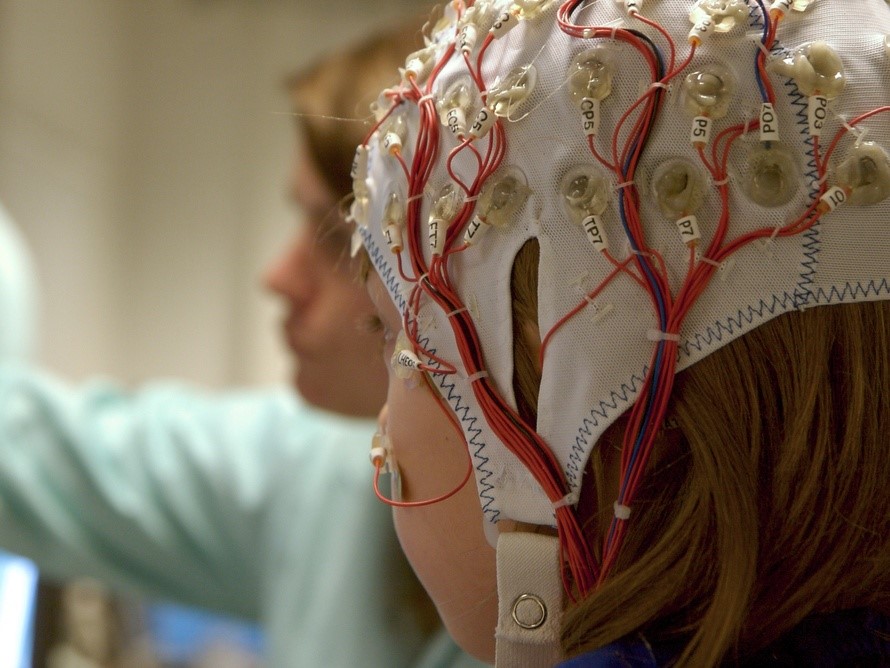
About 1 in 30 people in the UK develop epilepsy at some stage in their lives. It most commonly starts in childhood and in people aged over 60. Because only one gene is involved, it's much easier to predict how these will be inherited, and genetic testing is often performed to diagnose these conditions. Examples of these rare genetic conditions.
Patient information leaflet
दौरे के प्रकार
This leaflet gives some information about what your doctor may wish to know and what tests may be advised after such an event. What is a seizure. This is probably the reason for seizures in in most people who have epilepsy; they have likely inherited a combinatio... Many people with epilepsy also have a family history of seizures. A genetic.

Patient information leaflet
गुर्दे का कैंसर
What is kidney cancer. There are several types of kidney cancer but over 9 out of 10 kidney cancers are "renal cell cancer". This is sometimes called r... (A faulty gene which runs in some families may sometimes trigger kidney cancer. Also, people with some rare genetic disorders have a higher risk of developing kidney cancer - for example, von.
Patient information leaflet
मस्तिष्क ट्यूमर
Understanding the brain The main parts of the brain include: The cerebrum. This is divided into the right side (ri... Genetic factors may be a risk for some people - perhaps in about 1 in 20 cases. For example, people with the hereditary diseases called neurofibromatosis type 1, Turcot's syndrome, Li-Fraumeni cancer syndrome, and tuberous.

Patient information leaflet
ऑटिज्म स्पेक्ट्रम विकार
Autism spectrum disorder (ASD), commonly known as autism, affects the way that a person communicates with, and relates to, other people. The National Autistic Society defines autism as 'a lifelong developmental disability which affects how लोग communicate and interact with the world'. Peopl... There are also some developmental disability.
Patient information leaflet
एस्पिरेशन निमोनिया
एस्पिरेशन निमोनिया is a lower respiratory tract (chest) संक्रमण caused by bacteria which have leaked into the lungs from fluid from the stomach or mouth. This can be as a result of vomiting or an inability to swallow p... It is most common in people who have a condition making swallowing difficult - typically the very elderly, the very young.
अधिक पठन और संदर्भ
- Tuberous sclerosis complex; MedlinePlus, National Library of Medicine.
- Crino PB, Nathanson KL, Henske EP. The tuberous sclerosis complex. N Engl J Med. 2006 Sep 28;355(13):1345-56. doi: 10.1056/NEJMra055323. No abstract available.
- Franz DN, Bissler JJ, McCormack FX. Tuberous sclerosis complex: neurological, renal and pulmonary manifestations. Neuropediatrics. 2010 Oct;41(5):199-208. doi: 10.1055/s-0030-1269906. Epub 2011 Jan 5.
- Hyman MH, Whittemore VH. National Institutes of Health consensus conference: tuberous sclerosis complex. Arch Neurol. 2000 May;57(5):662-5. doi: 10.1001/archneur.57.5.662. No abstract available.
- Marom D. Genetics of tuberous sclerosis complex: an update. Childs Nerv Syst. 2020 Oct;36(10):2489-2496. doi: 10.1007/s00381-020-04726-z. Epub 2020 Aug 6.
- Northrup H, Aronow ME, Bebin EM, Bissler J, Darling TN, de Vries PJ, Frost MD, Fuchs Z, Gosnell ES, Gupta N, Jansen AC, Jozwiak S, Kingswood JC, Knilans TK, McCormack FX, Pounders A, Roberds SL, Rodriguez-Buritica DF, Roth J, Sampson JR, Sparagana S, Thiele EA, Weiner HL, Wheless JW, Towbin AJ, Krueger DA; International Tuberous Sclerosis Complex Consensus Group. Updated International Tuberous Sclerosis Complex Diagnostic Criteria and Surveillance and Management Recommendations. Pediatr Neurol. 2021 Oct;123:50-66. doi: 10.1016/j.pediatrneurol.2021.07.011. Epub 2021 Jul 24.
- Northrup H, Koenig MK, Pearson DA, Au KS. Tuberous Sclerosis Complex. 1999 Jul 13 [updated 2024 Aug 1]. In: Adam MP, Bick S, Mirzaa GM, Wallace SE, Amemiya A, editors. GeneReviews(R) [Internet]. Seattle (WA): University of Washington, Seattle; 1993-2026. Available from http://www.ncbi.nlm.nih.gov/books/NBK1220/
- Randle SC. Tuberous Sclerosis Complex: A Review. Pediatr Ann. 2017 Apr 1;46(4):e166-e171. doi: 10.3928/19382359-20170320-01.
- Salussolia CL, Klonowska K, Kwiatkowski DJ, Sahin M. Genetic Etiologies, Diagnosis, and Treatment of Tuberous Sclerosis Complex. Annu Rev Genomics Hum Genet. 2019 Aug 31;20:217-240. doi: 10.1146/annurev-genom-083118-015354. Epub 2019 Apr 24.
बातचीत में शामिल हों
हमारे में दूसरों के साथ अपने विचार या अनुभव साझा करें रोगी समुदायों.

पूछें, साझा करें, जुड़ें।.
चर्चाओं को ब्राउज़ करें, प्रश्न पूछें, और सैकड़ों स्वास्थ्य विषयों पर अनुभव साझा करें।.
पेशेंट न्यूज़लेटर के लिए साइन अप करें
आपकी साप्ताहिक खुराक स्पष्ट, विश्वसनीय स्वास्थ्य सलाह की - जो आपको सूचित, आत्मविश्वासी और नियंत्रण में महसूस करने में मदद करने के लिए लिखी गई है।.
सदस्यता लेने पर आप हमारी स्वीकार करते हैं गोपनीयता नीति. आप किसी भी समय सदस्यता समाप्त कर सकते हैं। हम कभी भी आपका डेटा नहीं बेचते।.