
Joint pain - is it bursitis?
Peer reviewed by Dr Krishna Vakharia, MRCGPAuthored by Dr Sarah JarvisOriginally published 16 Feb 2024
Meets Patient’s editorial guidelines
- DownloadDownload
- Share
- Language
- Discussion
- Audio Version
- Add to preferred sources on Google
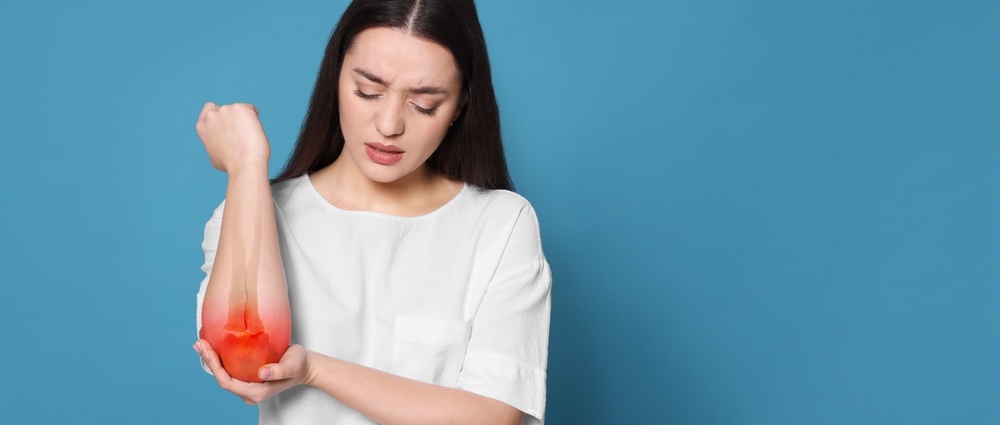
Bursitis is a common cause of painful, swollen, and tender joints. It's sometimes caused by repeated movements that place pressure on your joints - like kneeling or elbow-leaning - and can affect different parts of your body.
What is bursitis?
Bursitis is the medical name for any inflammation, and a bursa is a small fluid-filled sac. So bursitis is inflammation of a bursa anywhere in the body. Most bursae are found near big joints, and help to cushion and reduce friction as the joints move.
You can't feel them until they become inflamed, when they fill with fluid and turn into soft, often tender bulges. The most common symptoms of any kind of bursitis is swelling and pain. Given how much wear and tear our joints get over the years, it's hardly surprising that many of us will suffer from pain and swelling due to bursitis at some point.
What causes bursitis?
Trauma, injury and infection
The most common cause of bursitis is repeated minor trauma - for instance, if you lean on a joint (such as your knee or your elbow) and put pressure on it.
Sometimes a single bigger injury, such as a fall, can lead to inflammation.
Infection is a less common cause - this usually happens if you scratch, cut or graze the skin and germs get in.
Long-term health conditions
Some long term health conditions increase the risk of you developing bursitis. For instance, while gout most commonly affects the base of your big toe, it can affect other joints and make you prone to bursitis.
Rheumatoid arthritis is a form of joint inflammation which happens when your immune system - which usually helps you fight off disease - attacks your joints. Having rheumatoid arthritis increases your risk of bursitis.
Types of bursitis
In all types of bursitis, the main symptoms are pain and swelling. The skin over the bursa may be red and tender, and you may find the movement of your joint is limited.
Prepatellar bursitis - housemaid's knee
Your knee is a particularly common site for bursitis, especially if you do a lot of kneeling. You have four bursae around your knee - two are located on the front of the knee, in front of and below the kneecap (also called the patella).
Inflammation of the bursa in front of the kneecap used to be called housemaid's knee. It's often caused by spending long periods kneeling forwards - as housemaids used to do when they were scrubbing floors. These days, plumbers, roofers, gardeners and carpet fitters are more likely to suffer from it.
Superficial infrapatellar bursitis - clergyman's knee
Bursitis below the kneecap used to be called clergyman's knee - again because there was lots of kneeling involved. It can also happen if you do a lot of jumping, hiking, climbing or going up and down stairs.
Olecranon bursitis - student's elbow
Following the theme of naming forms of bursitis after people who traditionally suffered them, student's elbowis inflammation of the bursa on the tip of your elbow - the olecranon.
This can look like a soft golf ball on the tip of your elbow. It sometimes used to be called miner's elbow or plumber's elbow, as both of these professions can involve a lot of crawling on elbows and knees. It can sometimes affect people who do sport which involves repeatedly throwing with your arm above your head, such as cricket or javelin.
Trochanteric bursitis
Trochanteric bursitisis inflammation of a bursa on the outer side of your hip and upper thigh. It's more common in older people, and unlike some other forms of bursitis it affects more women than men. The repeated actions of running or cycling can cause friction, putting you at higher risk.
How to treat bursitis
Given that the main cause is often overuse of a joint, it makes sense that your doctor will usually advise you to rest the joint concerned. Ice packs - a bag of peas wrapped in a tea towel - can help reduce swelling and inflammation. If you're getting a lot of pain, anti-inflammatory medicines such as ibuprofen, in either cream/gel or tablet form, can also help.
Do be aware, though, that taking high doses of anti-inflammatory tablets, especially in the long term, can cause significant side effects. These include indigestion, bleeding from the stomach and damage to your kidneys - especially if you already have chronic kidney disease.
In the longer term, you also need to try and minimise any activities that brought it on. If you can't avoid kneeling or elbow-leaning, using cushioned knee or elbow pads, or using a thick cushion to kneel on, can reduce the risk of the problem coming back.
With thanks to My Weekly magazine, where this article was originally published.
Patient picks for Joint health

Bones, joints and muscles
Supermarket shopping for foods to help stiff and painful joints
Achy, stiff, and painful joints are a issue for many of us. However, what we eat can make a big difference - and reduce our reliance on medicines to keep pain away. As these changes begin with our supermarket food shop, we explore the weekly shopping dos and don'ts that can help set us on the path to healthier joints.
by Victoria Raw
Bones, joints and muscles
Why do my joints hurt when the weather changes?
Summer is peak outdoor activity season in the UK. Warmer weather and longer days mean we’re more likely to lace up our trainers for a run, pull the bike from the garage, play rounders in the park, or overhaul the garden. But it’s also the time when joint pain peaks, and it isn’t just from being more active. Surprisingly, the weather can also play a role in aching, painful joints.
by Scan.com
About the authorView full bio

Dr Sarah Jarvis
Clinical Consultant
MA (Cantab), BM, BCh (Oxon), DRCOG, FRCGP, MBE
After training in medicine at Cambridge and Oxford, Dr Sarah Jarvis MBE became a GP.
About the reviewerView full bio

Dr Krishna Vakharia, MRCGP
Chief Medical Officer for Health, Optum UK
MBChB, MRCGP(2013), BMedSci (hons), DFSRH, DRCOG, PGDipDerm (Distn)
Dr Krishna Vakharia is an NHS GP. She is also a regular examiner for the postgraduate Diploma in Practical Dermatology at Cardiff University as well as being the Chief Medical Officer for health at Optum UK.
Article history
The information on this page is peer reviewed by qualified clinicians.
Article also available in English, German, Spanish, French, Italian, Portuguese, Hindi, Hebrew, Arabic, and Swedish.
16 Feb 2024 | Originally published
Authored by:
Dr Sarah JarvisPeer reviewed by
Dr Krishna Vakharia, MRCGP
Join the conversation
Share your thoughts or experiences with others in our patient communities.

Ask, share, connect.
Browse discussions, ask questions, and share experiences across hundreds of health topics.

Feeling unwell?
Assess your symptoms online for free
Sign up to the Patient newsletter
Your weekly dose of clear, trustworthy health advice - written to help you feel informed, confident and in control.
By subscribing you accept our Privacy Policy. You can unsubscribe at any time. We never sell your data.
More in bones, joints and muscles
- 10 sources of plant-based protein for bone health
- Are joint pain supplements worth your money?
- Back pain and exercises videos
- Bad posture: how to defeat the 'COVID slump'
- Can a standing desk really help your back pain?
- How obesity affects joint health - and what you can do about it
- How to avoid neck, shoulder and back pain while working from home
- Knee health: how to prevent knee injuries
- Knee pain that won’t go away: When is it time to get a scan?
- Living with fibromyalgia - Jenny's story
- Other bones and joints videos
- Supermarket shopping for foods to help stiff and painful joints
- The best resistance band workouts to build muscle
- Video: Back pain exercises
- What are the best exercises for osteoporosis?
- What is 40-year-old shoulder?
- What is sarcopenia?
- What it's like to be a young person with arthritis
- Why do my joints hurt when the weather changes?
- Why head injuries in sport need to be taken more seriously