ऑफिस चेयर बट क्या है - और इसे कैसे रोका जा सकता है?
द्वारा सहकर्मी समीक्षा की गई Dr Colin Tidy, MRCGPद्वारा लिखित
मरीज की संपादकीय दिशानिर्देशों
- डाउनलोडडाउनलोड
- साझा करें
- Language
- चर्चा
- ऑडियो संस्करण
- Google पर पसंदीदा स्रोतों में जोड़ें
द्वारा सहकर्मी समीक्षा की गई Dr Colin Tidy, MRCGPद्वारा लिखित
मरीज की संपादकीय दिशानिर्देशों
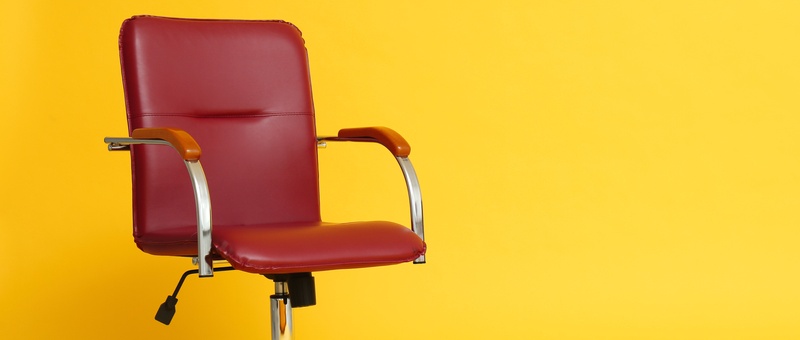
It's rare for healthcare professionals to endorse a social media health trend, but one term that's recently been gaining attention online is ‘office chair butt’. This informal phrase describes changes that can occur in your bottom muscles as a result of prolonged sitting.
So, is there any truth behind the trend? We spoke to a physiotherapist to explain what office chair butt really is, why it happens, and simple ways to reduce the effects of long hours spent sitting.
While ‘office chair butt’ might sound like a simplistic way of describing a negative health effect, it’s one buzz term that may deserve attention. The key is to look beyond the trend, and seek guidance from a qualified health professional on how to help prevent or manage it.
Office chair butt is associated with a largely sedentary lifestyle, particularly long hours of sitting, which is common for people who spend most of their day at a desk.
Bethany Tomlinson, Musculoskeletal Clinical Service Manager and Physiotherapist at AXA Health, explains that sitting for prolonged periods can lead to gluteal amnesia, informally known as ‘office butt’ or ‘dead butt syndrome’. This is where your gluteal (glute) muscles - the muscles that make up your buttocks - and surrounding area effectively ‘switch off’ due to inactivity.
“A lack of movement means lower production of synovial fluid, which is crucial for supporting joint health,” she says. “When your glutes aren’t activated regularly, the surrounding joints, including the hips, knees, and lower back, can end up compensating, often resulting in joint pain and stiffness in these areas.”

A new survey from AXA Health of 2,000 UK adults reveals that one in four spend five or more hours sitting at a desk each day.
Prolonged sitting can contribute to:
Increased joint stiffness.
Muscle degeneration.
पीठ दर्द।.
Reduced mobility.
The findings also show that 89% of respondents do not use a supportive office chair, 81% don’t stretch regularly, and 74% fail to meet the recommended exercise guidelines of at least 20 minutes of activity, three times a week.
With TikTok flooded with millions of views of videos about ‘office chair butt’, and monthly Google searches for ‘lower back pain’ recently reaching 3.2 million, it’s clear that many people in the UK are having issues with their musculoskeletal health.
'Office chair butt’ can contribute to a range of physical symptoms and limitations. However, for those whose jobs require them to spend most of their day at a desk, simply avoiding long periods of sitting isn't always realistic.
If that sounds familiar, Tomlinson shares her expert advice on how to minimise the long-term effects that prolonged sitting can have on your joints, muscles, and overall musculoskeletal health.
Taking short movement breaks throughout an otherwise sedentary day might seem insignificant, but small actions can add up over time. Incorporating regular movement into your daily routine can have a positive impact on your overall health and wellbeing.
Tomlinson explains that TikTok trends such as ‘squat break’s highlight an important point - that regular movement matters.
“Taking just 1-2 minutes every hour to stand up, stretch, or activate key muscle groups can help restore blood flow and stimulate synovial fluid production in your joints,” she says.
“Going for a walk before your working day, on your lunch break or after work, where possible, or utilising a standing desk are great ways to reduce sitting time. If you travel to work, try getting off one stop earlier or parking further away to add more walking and stimulate joint circulation before sitting down.”
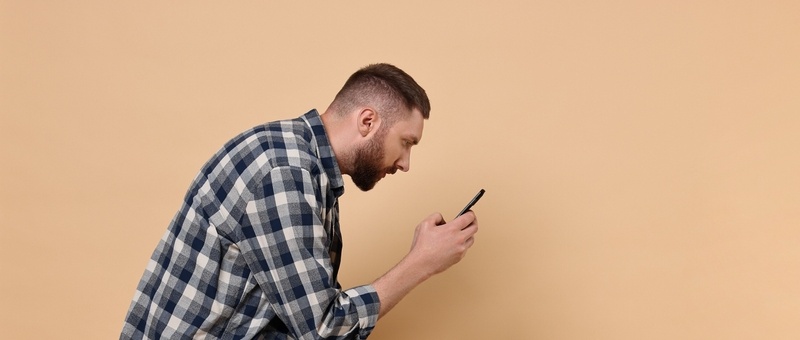
Poor posture rarely happens overnight. Instead, it develops through everyday habits such as slumping in a chair or spending hours looking down at a screen. Over time, these behaviours can lead to muscle pain and stiffness, which many people simply learn to live with rather than address the underlying cause.
Tomlinson recommends several ways to upgrade your office chair and support better posture, helping to prevent both visible and internal health issues.
She advises investing in a lumbar cushion that can be strapped to the back of your chair to support the natural curve of your spine and encourage good posture.
“A seat pad is also a great option and is suited for those looking for additional support for the bottom of their back,” adds the physiotherapist. “This reduces pressure on your tailbone (coccyx) and sciatic nerve and encourages hip alignment to support your spine.
“An ergonomic chair will often have adjustable features, such as the degree to which it is upright. These chairs are specifically designed to support your back during long periods of sitting and allow you to sit at a 90° hip-knee-ankle angle, reducing stiffness over time.”
Making sure your computer or laptop screen is positioned at eye level can help reduce the strain that poor screen placement places on your neck, shoulders, and joints.
“If it's too low or too high, your neck will be angled for extended periods, which can lead to stiffness in your neck and shoulders, and even long-term joint issues,” warns Tomlinson.
“To avoid this, align your screen so that when you're looking straight ahead, your eyes are directly in line with the top of the screen. This encourages a natural 90º posture, helping to reduce strain on your neck and shoulders. This should also apply for standing desks.”
Alongside meeting recommended weekly activity guidelines, targeted exercises can help strengthen the muscles that support and protect your joints.
Tomlinson advises incorporating strength-training exercises into your routine to build resilience in your glutes, hips, and core - key muscle groups that play an important role in maintaining stability, posture, and overall musculoskeletal health.
She says: “This will help to counteract the effects of sitting, as simple exercises including squats, lunges, glute bridges, and clamshells will restore balance and strengthen your muscles.
“It’s also important to do mobility-focused movement to loosen your joints, including neck and hip circles, and shoulder and ankle rolls, which you can even do sitting at your desk.”
Tomlinson emphasises that making these small changes can have a significant impact on your overall joint health and productivity.
“You should consult your company's occupational health team for advice and any further information you require,” she adds. “If you feel like you are experiencing severe joint pain, it’s important that you contact your GP to discuss your symptoms.”
स्वस्थ जीवन
आजकल, पूरे दिन डेस्क पर बैठे रहना सिर्फ एक आदत नहीं है - यह बहुत से लोगों के लिए नौकरी का हिस्सा बन गया है। हमारे पेशेवर जीवन और हमारे खाली समय को भरने वाले डिजिटल मनोरंजन के बीच, हम स्थिर, झुके हुए स्थिति में अधिक से अधिक खिंचते जा रहे हैं। यह वातावरण अच्छे आसन को बनाए रखने के सरल कार्य को एक निरंतर संघर्ष बना देता है। एक फिजियोथेरेपिस्ट ठीक से समझाता है कि खराब आसन आपके स्वास्थ्य पर कैसे प्रभाव डालता है और आपको खुशहाल, स्वस्थ जीवन जीने में मदद करने के लिए सरल, क्रियाशील सुझाव प्रदान करता है।.
विक्टोरिया रॉ द्वारा

हड्डियाँ, जोड़ और मांसपेशियाँ
‘40 वर्षीय कंधा’ शब्द ने पिछले दशक में ध्यान आकर्षित किया, आंशिक रूप से टीवी शो ‘यंगर’ में इसके उल्लेख के कारण। यह श्रृंखला एक 40 वर्षीय महिला का अनुसरण करती है जो बीस के दशक में होने का नाटक करती है, जिसमें उसकी वास्तविक उम्र और उसकी मानी गई उम्र के बीच का अंतर एक आवर्ती विषय बन जाता है। शो उम्र से संबंधित स्वास्थ्य अंतरालों - जिसमें फ्रोजन शोल्डर शामिल है - का बार-बार उल्लेख करता है, जिसे मध्य जीवन में लोगों को प्रभावित करने की अधिक संभावना के रूप में चित्रित किया जाता है। लेकिन जबकि यह वाक्यांश एक यादगार टीवी क्षण बनाता है, क्या ‘40 वर्षीय कंधा’ एक वास्तविक चिकित्सा शब्द है, और यदि आपको लगता है कि आपके पास यह है तो आपको क्या करना चाहिए?
विक्टोरिया रॉ द्वारा
Gluteal amnesia, also informally known as 'office butt' or 'dead butt syndrome', refers to a condition where the gluteal muscles (buttock muscles) and the surrounding area effectively 'switch off' due to prolonged inactivity, often from long hours of sitting. This lack of activation means that surrounding joints, such as the hips, knees, and lower back, may have to compensate, leading to potential joint pain and stiffness.
Synovial fluid is crucial for supporting joint health. A lack of movement, such as from prolonged sitting, can lead to lower production of this fluid. Restoring blood flow and stimulating synovial fluid production through regular movement is important for maintaining healthy joints.
Yes, poor posture that develops from everyday habits like slumping in a chair or looking down at a screen for extended periods can eventually lead to muscle pain and stiffness. Over time, these behaviors can contribute to long-term joint issues in areas like the neck and shoulders.
Simple strength-training exercises that can help build resilience in your glutes, hips, and core include squats, lunges, glute bridges, and clamshells. These exercises can help restore balance and strengthen the muscles that are important for stability and posture.
Mobility-focused movements that can help loosen your joints include neck and hip circles, and shoulder and ankle rolls. You can perform these types of exercises even while sitting at your desk to help improve joint flexibility.
द्वारा लिखित

बीए (ऑनर्स), अंग्रेजी साहित्य
विक्टोरिया पेशेंट में एक कंटेंट राइटर हैं, जिनकी विशेष रुचियाँ मानसिक कल्याण, सामाजिक प्रवृत्तियों और हमारी सेहत पर प्रौद्योगिकी के प्रभाव तक फैली हुई हैं।.

MBBS, MRCGP, MRCP (Paediatrics), DCH
डॉ. कॉलिन टिडी एक एनएचएस डॉक्टर हैं, जो ऑक्सफोर्डशायर में स्थित हैं।.
लेख इन भाषाओं में भी उपलब्ध है अंग्रेज़ी, जर्मन, स्पेनिश, फ्रेंच, इतालवी, पुर्तगाली, हिंदी, हिब्रू, अरबी, और स्वीडिश.
द्वारा लिखित:
Victoria Rawद्वारा सहकर्मी समीक्षा की गई
Dr Colin Tidy, MRCGPहमारे में दूसरों के साथ अपने विचार या अनुभव साझा करें रोगी समुदायों.

चर्चाओं को ब्राउज़ करें, प्रश्न पूछें, और सैकड़ों स्वास्थ्य विषयों पर अनुभव साझा करें।.

अपने लक्षणों का ऑनलाइन मुफ्त में मूल्यांकन करें
आपकी साप्ताहिक खुराक स्पष्ट, विश्वसनीय स्वास्थ्य सलाह की - जो आपको सूचित, आत्मविश्वासी और नियंत्रण में महसूस करने में मदद करने के लिए लिखी गई है।.
सदस्यता लेने पर आप हमारी स्वीकार करते हैं गोपनीयता नीति. आप किसी भी समय सदस्यता समाप्त कर सकते हैं। हम कभी भी आपका डेटा नहीं बेचते।.