सिस्टेमिक ल्यूपस एरिथेमेटोसस
अंतिम अद्यतन 22 दिसम्बर 2025
मरीज की संपादकीय दिशानिर्देशों
- डाउनलोडडाउनलोड
- साझा करें
- Language
- चर्चा
- ऑडियो संस्करण
- Google पर पसंदीदा स्रोतों में जोड़ें
Systemic lupus erythematosus (SLE) is a chronic disease that causes inflammation in connective tissues, such as cartilage and the lining of blood vessels, which provide strength and flexibility to structures throughout the body. The signs and symptoms of SLE vary among affected individuals, and can involve many organs and systems, including the skin, joints, kidneys, lungs, central nervous system, and blood-forming (hematopoietic) system. SLE is one of a large group of conditions called autoimmune disorders that occur when the immune system attacks the body's own tissues and organs.
विवरण
Systemic lupus erythematosus (SLE) is a chronic disease that causes inflammation in connective tissues, such as cartilage and the lining of blood vessels, which provide strength and flexibility to structures throughout the body. The signs and symptoms of SLE vary among affected individuals, and can involve many organs and systems, including the skin, joints, kidneys, lungs, central nervous system, and blood-forming (hematopoietic) system. SLE is one of a large group of conditions called autoimmune disorders that occur when the immune system attacks the body's own tissues and organs.
SLE may first appear as extreme tiredness (fatigue), a vague feeling of discomfort or illness (malaise), fever, loss of appetite, and weight loss. Most affected individuals also have joint pain, typically affecting the same joints on both sides of the body, and muscle pain and weakness. Skin problems are common in SLE. A characteristic feature is a flat red rash across the cheeks and bridge of the nose, called a "butterfly rash" because of its shape. The rash, which generally does not hurt or itch, often appears or becomes more pronounced when exposed to sunlight. Other skin problems that may occur in SLE include calcium deposits under the skin (calcinosis), damaged blood vessels (vasculitis) in the skin, and tiny red spots called petechiae. Petechiae are caused by a shortage of cells involved in clotting (platelets), which leads to bleeding under the skin. Affected individuals may also have hair loss (alopecia) and open sores (ulcerations) in the moist lining (mucosae) of the mouth, nose, or, less commonly, the genitals.
About a third of people with SLE develop kidney disease (nephritis). Heart problems may also occur in SLE, including inflammation of the sac-like membrane around the heart (pericarditis) and abnormalities of the heart valves, which control blood flow in the heart. Heart disease caused by fatty buildup in the blood vessels (atherosclerosis), which is very common in the general population, is even more common in people with SLE. The inflammation characteristic of SLE can also damage the nervous system, and may result in abnormal sensation and weakness in the limbs (peripheral neuropathy); seizures; stroke; and difficulty processing, learning, and remembering information (cognitive impairment). Anxiety and depression are also common in SLE.
People with SLE have episodes in which the condition gets worse (exacerbations) and other times when it gets better (remissions). Overall, SLE gradually gets worse over time, and damage to the major organs of the body can be life-threatening.
Inheritance patterns
The source lists the following possible inheritance patterns: Not inherited; Autosomal recessive. More than one pattern can apply in different cases.
Related genes
Other names
Disseminated lupus erythematosus
LE syndrome
Libman-Sacks disease
ल्यूपस
एसएलई
Related patient information and medicines

Patient information leaflet
ल्यूपस
Lupus is the short name for the condition called systemic lupus erythematosus (SLE). It can cause various symptoms, the most common being joint pains, skin rashes and tiredness. Problems with kidneys and other organs can occur in severe cases. Lupus is an autoimmune condition. Treatment includes anti-inflammatory painkillers to ease joint pains..

Patient information leaflet
डिस्कोइड ल्यूपस
Discoid lupus is a rare skin condition but it is very long-lasting. It is usually sensitive to sunlight ... Discoid lupus is also called discoid lupus erythematosus (DLE). 'Discoid' lupus erythematosus is confined to the skin and is not associated with symptoms from other organs. A more severe form of lupus is called systemic lupus erythematosus.
Patient information leaflet
गठिया
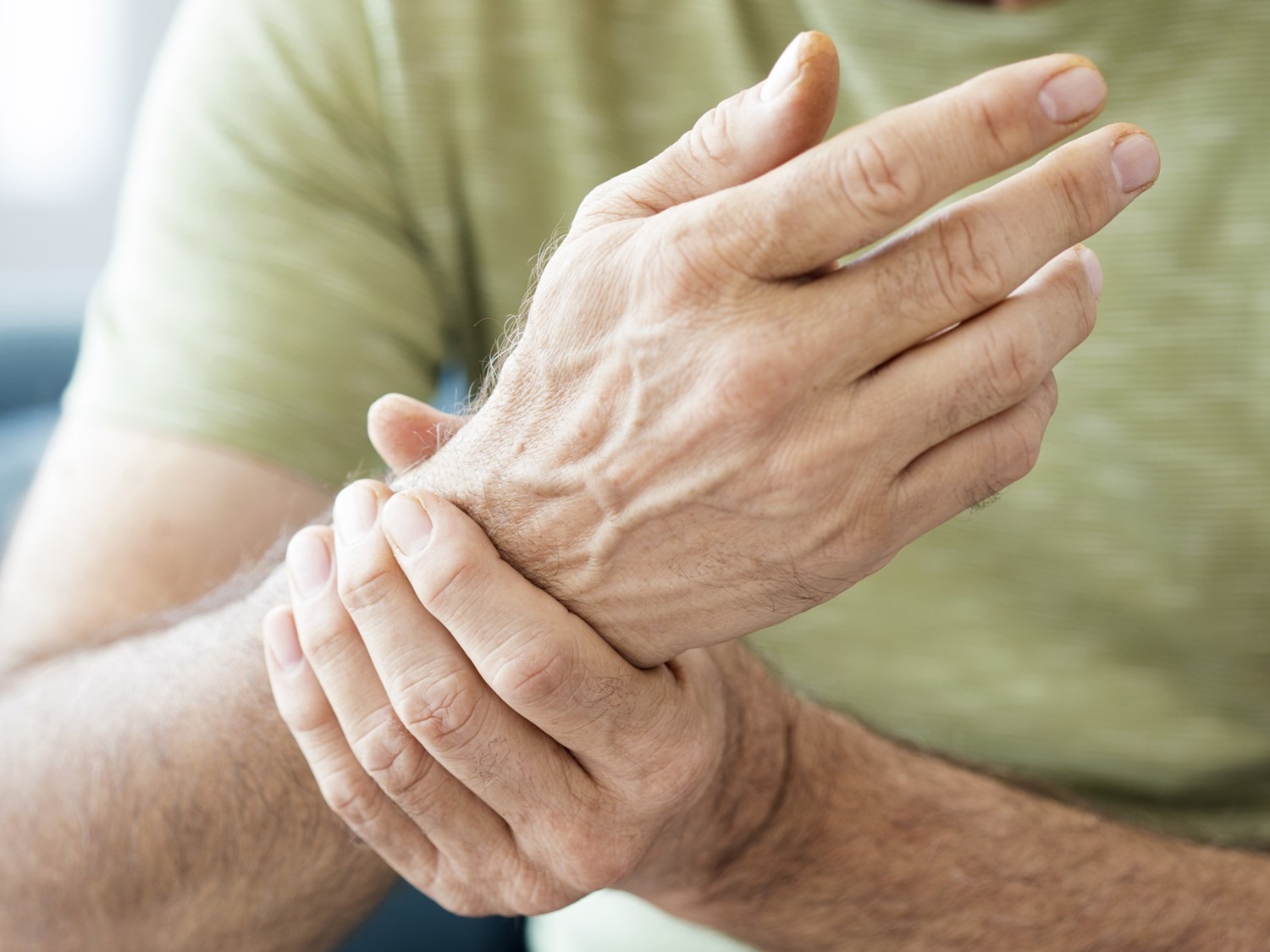
There are lots of types of arthritis. This leaflet will explain a bit about how joints work and then go through the main causes of arthritis in easy-to-read language. Conditions similar to arthritis There are some medical problems which don't affect the ... Examples include: Systemic lupus erythematosus Systemic lupus erythematosus (SLE) can cause.

Patient information leaflet
त्वचा पर चकत्ते
There are many different types of skin rashes and many different causes of skin rashes. Although most skin... Redness on the palms of your hands may be caused by liver disease, pregnancy or an overactive thyroid gland (hyperthyroidism). A red rash may occasionally be due to an inflammatory condition called सिस्टेमिक ल्यूपस एरिथेमेटोसस , especially.
Patient information leaflet
ग्लोमेरुलोनेफ्राइटिस
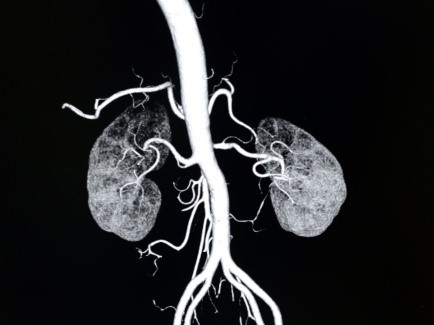
Secondary - glomerulonephritis develops because of another pre-existing disease or condition in the body. Examples of diseases that can lead to ग्लोमेरुलोनेफ्राइटिस in some people are सिस्टेमिक ल्यूपस एरिथेमेटोसस (एसएलई) and polyarteritis nodosa. See the separate leaflet called Lupus (Systemic Lupus Erythematosus) for more details. Glomerulonephritis.

Patient information leaflet
स्जोग्रेन सिंड्रोम
Sjögren's syndrome i... Secondary Sjögren's syndrome This describes Sjögren's syndrome which occurs alongside another autoimmune disease such as rheumatoid arthritis or सिस्टेमिक ल्यूपस एरिथेमेटोसस।. Sjögren's syndrome often affects people who have other autoimmune diseases that affect the joints, such as rheumatoid arthritis and systemic lupus.
अधिक पठन और संदर्भ
- सिस्टेमिक ल्यूपस एरिथेमेटोसस; MedlinePlus, National Library of Medicine.
- Costa-Reis P, Sullivan KE. Genetics and epigenetics of systemic lupus erythematosus. Curr Rheumatol Rep. 2013 Sep;15(9):369. doi: 10.1007/s11926-013-0369-4.
- Crispin JC, Hedrich CM, Tsokos GC. Gene-function studies in systemic lupus erythematosus. Nat Rev Rheumatol. 2013 Aug;9(8):476-84. doi: 10.1038/nrrheum.2013.78. Epub 2013 Jun 4.
- Cui Y, Sheng Y, Zhang X. Genetic susceptibility to SLE: recent progress from GWAS. J Autoimmun. 2013 Mar;41:25-33. doi: 10.1016/j.jaut.2013.01.008. Epub 2013 Feb 6.
- Frieri M. Mechanisms of disease for the clinician: systemic lupus erythematosus. Ann Allergy Asthma Immunol. 2013 Apr;110(4):228-32. doi: 10.1016/j.anai.2012.12.010. Epub 2013 Jan 5.
- Gurevitz SL, Snyder JA, Wessel EK, Frey J, Williamson BA. Systemic lupus erythematosus: a review of the disease and treatment options. Consult Pharm. 2013 Feb;28(2):110-21. doi: 10.4140/TCP.n.2013.110.
- Kiriakidou M, Cotton D, Taichman D, Williams S. Systemic lupus erythematosus. Ann Intern Med. 2013 Oct 1;159(7):ITC4-1. doi: 10.7326/0003-4819-159-7-201310010-01004. No abstract available.
- Rullo OJ, Tsao BP. Recent insights into the genetic basis of systemic lupus erythematosus. Ann Rheum Dis. 2013 Apr;72 Suppl 2(0 2):ii56-61. doi: 10.1136/annrheumdis-2012-202351. Epub 2012 Dec 19.
- Tiffin N, Adeyemo A, Okpechi I. A diverse array of genetic factors contribute to the pathogenesis of systemic lupus erythematosus. Orphanet J Rare Dis. 2013 Jan 7;8:2. doi: 10.1186/1750-1172-8-2.
- Tunnicliffe DJ, Singh-Grewal D, Kim S, Craig JC, Tong A. Diagnosis, Monitoring, and Treatment of Systemic Lupus Erythematosus: A Systematic Review of Clinical Practice Guidelines. Arthritis Care Res (Hoboken). 2015 Oct;67(10):1440-52. doi: 10.1002/acr.22591.
- Yang W, Lau YL. Solving the genetic puzzle of systemic lupus erythematosus. Pediatr Nephrol. 2015 Oct;30(10):1735-48. doi: 10.1007/s00467-014-2947-8. Epub 2014 Sep 20.
बातचीत में शामिल हों
हमारे में दूसरों के साथ अपने विचार या अनुभव साझा करें रोगी समुदायों.

पूछें, साझा करें, जुड़ें।.
चर्चाओं को ब्राउज़ करें, प्रश्न पूछें, और सैकड़ों स्वास्थ्य विषयों पर अनुभव साझा करें।.
पेशेंट न्यूज़लेटर के लिए साइन अप करें
आपकी साप्ताहिक खुराक स्पष्ट, विश्वसनीय स्वास्थ्य सलाह की - जो आपको सूचित, आत्मविश्वासी और नियंत्रण में महसूस करने में मदद करने के लिए लिखी गई है।.
सदस्यता लेने पर आप हमारी स्वीकार करते हैं गोपनीयता नीति. आप किसी भी समय सदस्यता समाप्त कर सकते हैं। हम कभी भी आपका डेटा नहीं बेचते।.