
What is holiday heart syndrome - and how could it affect your Christmas?
Peer reviewed by Dr Colin Tidy, MRCGPAuthored by Victoria RawOriginally published 5 Dec 2025
Meets Patient’s editorial guidelines
- DownloadDownload
- Share
- Language
- Discussion
- Audio Version
- Add to preferred sources on Google
Christmas is often a time to treat yourself to a well-earned drink and a few festive indulgences. Enjoying the occasional tipple isn’t something to feel guilty about, especially if it’s part of an otherwise healthy lifestyle. But the holiday season can place more strain on your heart than you might realise - particularly if you already have a heart condition.
Holiday heart syndrome happens when your heart starts beating too fast or falls out of rhythm after you’ve had more alcohol than your body can comfortably handle. We spoke to an expert about the potential serious health effects and who is more likely to be affected than others.
What is holiday heart syndrome?
Holiday heart syndrome occurs when your heart begins to beat abnormally - often too fast or with an irregular rhythm - after periods of heavy drinking.
For most people, it’s a short-lived episode of atrial fibrillation (AF), where your heart’s upper chambers beat out of sync with the lower ones, causing an uneven pulse.
Dr Asimah Hanif is an NHS and private GP based in London, UK. She explains that the good news is most people’s heart rhythm returns to normal within a day or two, once the effects of the alcohol have worn off.
“But if it happens repeatedly, or if you already have heart problems,” she warns. “It can sometimes lead to ongoing rhythm issues.”
Dr Asimah Hanif, NHS and Private GP, London, UK

What does holiday heart syndrome feel like?
It’s completely normal for your heart to speed up at times - whether you’re excited, have had a bit too much caffeine, or are feeling stressed. These everyday triggers can naturally make your heartbeat feel faster or more noticeable.
However, Hanif says that if your pulse feels irregular, keeps racing for more than a few minutes, or you feel breathless or faint, you should make an appointment with your doctor.
Hanif outlines the common signs of AF:
A racing or fluttering heartbeat.
Shortness of breath.
Feeling dizzy or light-headed.
Tightness or mild discomfort in your chest.
Feeling unusually tired or generally unwell.
What does alcohol do to your heart?
If you follow the recommended guidelines of no more than 14 units of alcohol per week, you’re generally less likely to experience the harmful effects of alcohol - assuming you’re healthy and have no underlying medical conditions.
That said, it’s important for everyone to be aware of alcohol’s potential impact on their health, whether you drink occasionally or regularly.
Hanif explains that drinking alcohol can:
Irritate your heart muscle and interfere with its electrical signals.
Increase adrenaline and other stress hormones.
Disturb your electrolyte balance - including potassium and magnesium.
Lead to dehydration.
She says: "All these things make it easier for your heart to slip into an irregular rhythm."
Why does holiday heart syndrome happen around Christmas?
Christmas and New Year are traditionally times when many of us feel free to spoil ourselves a little more than usual - especially when it comes to food or drink.
Hanif notes that back-to-back celebrations can stack up all the classic triggers for AF, making it more likely to affect you over the festive season.
These triggers may include:
Large, often salty or rich meals.
Late nights and disrupted sleep.
Added stress from travel, family, or finances.
“It’s easy to see why it’s called ‘holiday heart syndrome,’ says Hanif. “It tends to strike when our usual routines go out the window.
What counts as binge drinking?
One trigger for AF is drinking more alcohol than usual in a short period - a pattern known as binge drinking. This is one of the main factors that can lead to holiday heart syndrome.
Hanif explains that binge drinking means having quite a few drinks in a short time - roughly 5 or more for men, or 4 or more for women, within a couple of hours.
“Even one night of heavy drinking can trigger holiday heart syndrome,” she warns. “Especially if you’re not a regular drinker or you’re tired, dehydrated, or run down.
Who is more likely to get holiday heart syndrome?
Holiday heart syndrome can affect anyone, even if their heart is otherwise healthy - especially after heavy or binge drinking, late nights, or periods of added stress.
However, as Hanif points out, people with certain underlying health conditions may be more susceptible.
AF is more likely to occur in those who already have:
Diabetes.
A history of AF or other heart conditions.
“In these cases, alcohol is more likely to trigger a rhythm that doesn’t settle on its own,” says Hanif. “If your heart is healthy, the likelihood of an episode is low, though binge drinking can still provoke a one-off event.
“People with high blood pressure or diabetes are more susceptible, as alcohol adds extra strain to an already vulnerable heart. The chances are greatest for those with a history of AF, since alcohol is one of the most common triggers for recurrence.”
How to enjoy the festive season and stay heart safe
Hanif shares some simple tips to help you enjoy your Christmas treats and drinks while keeping moderation in mind.
Pace your drinks - alternate alcohol beverages with water or soft drinks.
Don’t drink on an empty stomach - make sure you eat before and while drinking.
Have alcohol-free days - give your body a break.
Prioritise sleep - aim for enough rest to help your heart recover.
Keep stress in check - take breaks, go for walks, and make time to relax.
Know your limits - if you’ve ever had AF, even small amounts of alcohol can trigger a recurrence.
What to do if you feel palpitations or chest discomfort
If you have heart palpitations or mild chest discomfort that passes quickly and you feel otherwise okay, rest and stay hydrated.
Hanif advises that you still inform your doctor, especially if it’s your first episode or if it has happened before.
In the meantime, if you notice your heart racing, fluttering, or skipping beats, she recommends you:
Stop drinking and sit somewhere calm.
Drink plenty of water or a rehydration drink.
Check your pulse - if it feels irregular or continues racing, it’s more than just anxiety.
Call 999 or go to A&E straight away if you have:
Chest pain or pressure.
Severe dizziness or fainting.
Shortness of breath.
A pulse that’s racing and won’t settle after an hour or two.
Being aware of holiday heart syndrome doesn’t mean you have to skip all your festive treats. In fact, many health experts agree there’s value in allowing yourself the occasional indulgence. The key is to be mindful - pay attention to what you’re enjoying, how much you’re drinking compared to your usual habits, and any existing health conditions that the season could exacerbate. No one wants to dampen the Christmas spirit, but don’t let the festivities take a toll on your health.
Patient picks for Heart health

Diet and nutrition
Plant-based proteins could help prevent high blood pressure
Eating a greater amount of minimally processed plant-based proteins - such as beans, nuts and lentils - may lower your chance of developing high blood pressure, according to new research.
by Laura Williamson
Heart health and blood vessels
Blood pressure: understanding your readings
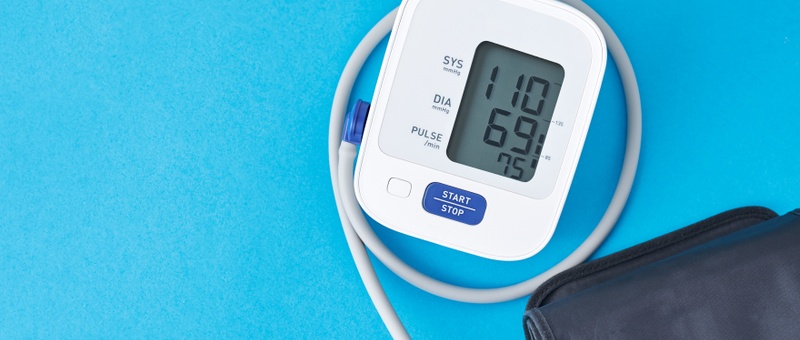
According to the British Heart Foundation (BHF), around 3 in 10 people in the UK have high blood pressure. High blood pressure often goes unnoticed, leaving 5 million adults in the UK unaware that they have it. Checking your blood pressure regularly and understanding your results is crucial for early diagnosis and treatment.
by Victoria Raw
About the authorView full bio
Authored by

Victoria Raw
Feature Writer
BA (Hons), English Literature
Victoria is a content writer at Patient, with special interests spanning mental wellbeing, societal trends and the impact of technology on our health.
About the reviewerView full bio

Dr Colin Tidy, MRCGP
General Practitioner, Medical Author
MBBS, MRCGP, MRCP (Paediatrics), DCH
Dr Colin Tidy is an NHS Doctor, based in Oxfordshire.
Article history
Article also available in English, German, Spanish, French, Italian, Portuguese, Hindi, Hebrew, Arabic, and Swedish.
Next review due: 5 Dec 2028
5 Dec 2025 | Originally published
Authored by:
Victoria RawPeer reviewed by
Dr Colin Tidy, MRCGP
Join the conversation
Share your thoughts or experiences with others in our patient communities.

Ask, share, connect.
Browse discussions, ask questions, and share experiences across hundreds of health topics.

Feeling unwell?
Assess your symptoms online for free
Sign up to the Patient newsletter
Your weekly dose of clear, trustworthy health advice - written to help you feel informed, confident and in control.
By subscribing you accept our Privacy Policy. You can unsubscribe at any time. We never sell your data.