
वन स्नान क्या है और क्या यह आपके स्वास्थ्य में सुधार कर सकता है?
द्वारा सहकर्मी समीक्षा की गई Dr Colin Tidy, MRCGPद्वारा लिखित Hannah Boynton-Forshawमूल रूप से प्रकाशित 28 जुलाई 2026
मरीज की संपादकीय दिशानिर्देशों
- डाउनलोडडाउनलोड
- साझा करें
- Language
- चर्चा
- ऑडियो संस्करण
- Google पर पसंदीदा स्रोतों में जोड़ें
Life can feel pretty busy and overwhelming. We spend so much time looking down at our phone screens, that our minds, and our necks, have little opportunity to rest. This is where forest bathing can help - a gentle practice of slowing down and immersing yourself in nature, which can also support your mental and physical wellbeing.
We spoke to a clinical therapist to demystify what forest bathing is, and how you can get involved.
What is forest bathing?
Forest bathing - also known as ‘shinrin-yoku’ - originated in Japan in the 1980s. It was developed as a response to rises in anxiety and stress-related illness, due to increases in urbanisation and technological advancements of the time.
To help with this, the Japanese government launched a series of studies examining the physiological and psychological effects of being in a forest environment. Their findings suggested that spending time in nature could have a positive impact on your health and wellbeing.
In recent years, forest bathing has gained international recognition as an immersive therapy - with further studies exploring its benefits to mental and physical wellbeing. It is seen as a popular natural response to the stresses of modern life.
Cory Reid-Vanas, a Licensed Marriage and Family Therapist (LMFT) at Rocky Mountain Counseling Collective, Colorado, USA, explains how powerful a walk in nature can be.
“A forest bath involves immersing yourself in a forest atmosphere, allowing all five senses into the experience and practicing mindfulness,” he says. “The idea is to be present and steeped in nature as much as possible - it doesn’t involve reaching a destination or exercising, and has no goal orientation.”
Cory Reid-Vanas

What does 'shinrin-yoku' mean?
The Japanese term ‘shinrin-yoku’ literally translates as ‘forest’ and ‘bath’ in English. The focus is to bathe in nature, by engaging all your senses and being present - consciously observing the atmosphere around you.
How is forest bathing different from hiking?
When you go for a walk or hike, the focus is often on physical effort and getting to a chosen destination. Reid-Vanas explains that hiking differs from forest bathing in that it is often goal-oriented - reaching a summit, completing a trail, covering a certain distance, or getting a workout.
“Forest bathing is without a fitness objective tied to it,” he says.
Forest bathing is more of a sensory experience. It requires you to slow down, walk leisurely, and connect with your surroundings. Distance isn’t important - it’s about being intentional.
What does the research say about forest bathing?
Japanese studies support forest bathing as an effective therapeutic practice that provides measurable physical and mental health benefits.
Being in a nature environment has shown to reduce the stress hormone cortisol - which also helps to reduce your heart rate and lower your blood pressure.
“A lot of the research comes from Japan's ‘forest medicine'," explains Reid-Vanas. "The effects it has include immune system benefits, reduced blood pressure and heart rate, lower stress hormones and adrenaline.”
He goes on to say that other health effects include improvements to sleep, anxiety, anger, depression, cognitive function, and more.
Can forest bathing improve mental wellbeing?
Walking mindfully can shift thoughts from a fight-or-flight response towards a rest-and-digest response. Reid-Vanas advises that this can alleviate symptoms of anxiety, depression, and mental burnout.
“This shift away from flight-or-fight is a great coping skill,” he says.
Could forest bathing benefit physical health?
A combination of gentle movement and fresh air can reduce both heart rate and blood pressure - which can also help with hypertension. Your immune system may receive a boost from naturally released antimicrobial plant compounds, called phytoncides. Once inhaled, these could increase your body's immune cells - providing an improved protective effect against infections.1
How do you practice forest bathing?
It’s important to remember that forest bathing isn’t a strenuous outdoor pursuit - it’s an opportunity to intentionally unplug from distractions and focus on being in the moment.
“There are a variety of techniques in the action of it,” says Reid-Vanas. “It involves moving slowly without a route or pace in mind. You are leaving technology behind or silencing it.
“Deep breathing is a strategy. Pausing often and sitting and standing for periods of time are as well. It is an effort to reach a para synthetic state - rest and digest instead of fight-or-flight.”
Slow down and engage your senses
Here are some simple suggestions for a mindful experience:
Put away your devices - this will allow you to relax without any distractions.
Move slowly and intentionally - so you can take notice of your surroundings.
Slow down your breathing - taking deep breaths and long exhalations.
Stand or sit quietly for a moment - and observe nature more closely.
Actively use all your five senses and connect with your surroundings - bringing each sense to your attention to create a new experience.
Sight - look for patterns, colours, textures, changes in light.
Sound - listen for sounds of wildlife, wind rustling through trees, your feet moving against the ground.
Touch - feel the texture of a stone, the bounce of moss, the bark of a tree, the feeling of sun or a breeze on your skin.
Taste - notice the nature of the air, is it dry or damp on your tongue?
गंध - take some deep breaths and relax, notice what scents surround you.
“Forest bathing involves thinking about your five senses and engaging with them throughout the process,” says Reid-Vanas. “Touching a tree, looking for specific colours, listening for sounds and other ways to creatively engage with nature are examples.”
Who might benefit most from forest bathing?
Anyone can find value in forest bathing. However, it’s especially helpful if you are facing mental or physical health challenges. It can lower stress and strengthen support for your body.
“A person managing everyday stress and burnout, people with mild to moderate depression and anxiety, and older people with hypertension or recovering from strokes can benefit,” says Reid-Vanas.
What are the effects of forest bathing in different seasons?
The seasons of spring, summer, autumn, and winter, offer unique all year-round experiences. Spending time outside amongst the elements may counter seasonal fatigue.
There are so many distinctive things to explore in each season - from climate, to wildlife, to trees, and plants. The same walk you take in summer can be a completely different experience in autumn.
Reid-Vanas adds: “There are seasonal effects based on the amount of sunlight and how that impacts sleep and mood.”
You don't need a forest
Unlike the name suggests, you don’t need to be in a forest to practice forest bathing. Any green space that allows you to have a mindful, sensory experience - such as a nature reserve, your local park, or even a garden can work. The importance is to unplug, slow down, and engage your senses.
As Reid-Vanas points out: “Forest bathing is a practice that is fully accessible without a forest. It can be done at a city park or in an urban park and still have benefits.”
The most important thing to remember - it’s not the location, or the amount of time. It’s being intentional and immersing your senses by spending time in nature.
रोगी के लिए चयन मानसिक कल्याण

सामान्य स्वास्थ्य और जीवनशैली
‘कूलकेशन’ क्या है - और क्या यह आपके स्वास्थ्य के लिए बेहतर हो सकता है?
You may have heard the term ‘coolcation’ circulating online. It refers to a growing travel trend in which holidaymakers are swapping traditional sunny destinations for cooler climates and experiences. We spoke to an expert to find out more about the benefits of choosing colder weather for a holiday, and why this shift in travel habits might be gaining popularity.
विक्टोरिया रॉ द्वारा
स्वस्थ जीवन
ताई ची वॉकिंग क्या है - और क्या इसे आजमाना चाहिए?
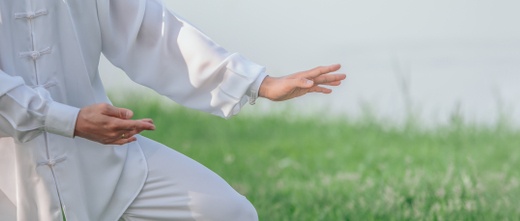
ताई ची की मार्शल आर्ट सदियों से चली आ रही है। मूल रूप से आत्मरक्षा के युद्ध के रूप में विकसित, यह आज भी मजबूत है - हालांकि इसकी सबसे बड़ी ताकत अब समग्र स्वास्थ्य और कल्याण का समर्थन करने की इसकी क्षमता में निहित है। कुछ इतना प्राचीन होने के लिए, यह प्रभावशाली है कि ताई ची आज की वेलनेस दुनिया में नई प्रासंगिकता पा रही है। इसे अपनाने के नवीनतम तरीकों में से एक - विशेष रूप से ऑनलाइन प्लेटफार्मों पर - ताई ची वॉकिंग के रूप में जाने जाने वाले अभ्यास के अधिक सुलभ अनुकूलन के माध्यम से है।.
विक्टोरिया रॉ द्वारा
अधिक पठन और संदर्भ
- Li Q; Effects of forest environment (Shinrin-yoku/Forest bathing) on health promotion and disease prevention -the Establishment of "Forest Medicine". Environ Health Prev Med. 2022;27:43. doi: 10.1265/ehpm.22-00160.
लेखक के बारे मेंपूरा जीवन परिचय देखें

Hannah Boynton-Forshaw
BA (Hons) Communications & Cultural Studies and Media
Hannah is a content writer who specialises in authentic, and engaging writing that tells a story.
She is committed to creating content that has clarity and purpose, and most importantly, engages with an audience. She has worked with a variety of brands, including IKEA, NHS Protect, University of Leeds, ASDA, Marks and Spencer, Tesco, Waitrose, Morrisons, Next, and British Gas.
समीक्षक के बारे मेंपूरा जीवन परिचय देखें

Dr Colin Tidy, MRCGP
सामान्य चिकित्सक, चिकित्सा लेखक
MBBS, MRCGP, MRCP (Paediatrics), DCH
डॉ. कॉलिन टिडी एक एनएचएस डॉक्टर हैं, जो ऑक्सफोर्डशायर में स्थित हैं।.
लेख का इतिहास
इस पृष्ठ की जानकारी योग्य चिकित्सकों द्वारा सहकर्मी समीक्षा की गई है।.
लेख इन भाषाओं में भी उपलब्ध है अंग्रेज़ी, जर्मन, स्पेनिश, फ्रेंच, इतालवी, पुर्तगाली, हिंदी, हिब्रू, अरबी, और स्वीडिश.
Next review due: 28 Jul 2029
28 जुलाई 2026 | मूल रूप से प्रकाशित
द्वारा लिखित:
Hannah Boynton-Forshawद्वारा सहकर्मी समीक्षा की गई
Dr Colin Tidy, MRCGP

पूछें, साझा करें, जुड़ें।.
चर्चाओं को ब्राउज़ करें, प्रश्न पूछें, और सैकड़ों स्वास्थ्य विषयों पर अनुभव साझा करें।.

अस्वस्थ महसूस कर रहे हैं?
अपने लक्षणों का ऑनलाइन मुफ्त में मूल्यांकन करें
पेशेंट न्यूज़लेटर के लिए साइन अप करें
आपकी साप्ताहिक खुराक स्पष्ट, विश्वसनीय स्वास्थ्य सलाह की - जो आपको सूचित, आत्मविश्वासी और नियंत्रण में महसूस करने में मदद करने के लिए लिखी गई है।.
सदस्यता लेने पर आप हमारी स्वीकार करते हैं गोपनीयता नीति. आप किसी भी समय सदस्यता समाप्त कर सकते हैं। हम कभी भी आपका डेटा नहीं बेचते।.
मानसिक स्वास्थ्य में अधिक
- शोक और युवा: हानि से कैसे निपटें
- क्रिसमस के दौरान तनाव और चिंता से निपटने में अपने बच्चे की मदद करना
- अपनी आत्म-सम्मान कैसे बढ़ाएं और अपने प्रति दयालु बनें
- क्रिसमस के दौरान शरीर के प्रति सकारात्मक कैसे रहें
- मूवेम्बर स्पॉटलाइट: अश्वेत पुरुषों का मानसिक स्वास्थ्य
- प्रश्नोत्तरी: क्या मैं उदास हूँ?
- फिर से चमकाना - अधिक आनंद पाने का विज्ञान
- अपने साथी में अवसाद की पहचान करना
- व्यक्तित्व विकार के लक्षणों की पहचान करना
- स्ट्रेंजर थिंग्स प्रभाव: क्यों पुरानी यादें संबंध बनाती हैं और हमारे मूड को सुधारती हैं
- जब आप तनाव में हों तो खाने के लिए सबसे खराब खाद्य पदार्थ
- अपनी नींद को बदलें: तनावपूर्ण सपनों को दूर करने के लिए एक मार्गदर्शिका
- अपरंपरागत उपचार: वैकल्पिक चिकित्सा पद्धतियों का उदय
- घबराहट के दौरे के दौरान आपके शरीर में क्या होता है?
- अव्यवस्थित भोजन और भोजन विकार के बीच क्या अंतर है?
- मानसिक स्वास्थ्य और हृदय रोग के बीच क्या संबंध है?
- अवसादरोधी दवाओं के प्रति अभी भी कलंक क्यों है?
- हमारा दिमाग बुरी खबरों पर क्यों अटका रहता है
- इस वर्ष आपको एक रचनात्मक शौक क्यों अपनाना चाहिए
- काम, आराम, दोहराना: बर्नआउट चक्र को कैसे तोड़ें