Nitrate medication
Nitrates
Peer reviewed by Dr Doug McKechnie, MRCGPLast updated by Dr Hayley Willacy, FRCGP Last updated 26 Feb 2023
Meets Patient’s editorial guidelines
- DownloadDownload
- Share
- Language
- Discussion
- Audio Version
- Add to preferred sources on Google
Nitrate medicines include glyceryl trinitrate (GTN), isosorbide dinitrate and isosorbide mononitrate. Each has various brand names. Nitrate drugs do not alter the underlying cause of angina. (Angina is usually caused by narrowing of the heart arteries due to a build-up of a fatty substance called atheroma. See the separate leaflet called Angina.) However, nitrate medicines are good at easing and preventing angina pains.
At a glance
Nitrates are medicines that relax blood vessel walls, widening them to improve blood flow.
They are used to relieve or prevent angina chest pain by reducing the heart's workload.
Short-acting nitrates like GTN treat immediate pain, while long-acting ones prevent it.
Common side-effects include headache, flushed face, dizziness, and lightheadedness.
Do not take nitrates with certain conditions like hypertrophic obstructive cardiomyopathy.
Never take nitrates with erectile dysfunction medicines like sildenafil due to dangerously low blood pressure.
Nitrates help symptoms but do not prevent heart attacks or change the underlying problem.

Unsure about mixing medicines?
Check for possible interactions between medicines, supplements and foods before taking them together.
How do nitrates work?
Nitrates (also known as nitric oxide) work by relaxing the walls of blood vessels, which makes them slightly wider. In angina they work by relaxing the walls of veins that return blood to the heart. This lowers the pressure of that blood and means the heart doesn't have to work as hard. They also make the blood vessels that supply the heart muscle widen a little.
Types of nitrate medicine
Short-acting nitrate preparations
Glyceryl trinitrate (GTN) tablets or sprays are commonly used to ease angina pains.
Isosorbide dinitrate is sometimes used as an alternative to GTN for the immediate relief of angina pains when they develop. Again, it comes in tablet and spray form.
Long-acting nitrate preparations
If you have frequent angina pains, long acting nitrate preparations help to prevent the pains from developing.
Isosorbide mononitrate works in the same way as the other nitrates: it relaxes the walls of the blood vessels and so boosts the blood flow.
All the nitrates (GTN, isosorbide dinitrate, and isosorbide mononitrate) come in long-acting preparations.
A long-acting preparation takes longer to start working, so is not much use for immediate pain relief. But, it works for much longer after each dose than a short-acting preparation (which loses its effect after 20 minutes or so).
Possible side-effects of nitrates
Common side-effects include:
A throbbing headache.
A flushed face.
You may feel dizzy.
Lightheadedness (from the nitrate causing low blood pressure).
Feeling slightly nauseous.
With the spray under the tongue: a slight burning or tingling sensation under the tongue.
Thankfully these side-effects are unpleasant but not serious. Often they get better once you've been using the medicine for a few weeks.
When should I not take a nitrate medication?
You should not take nitrates if you have various other disorders. For example: hypertrophic obstructive cardiomyopathy, aortic stenosis, constrictive pericarditis, mitral stenosis or closed-angle glaucoma. (This is the less common form of glaucoma. Nitrates are fine if you have the more common type of glaucoma called open-angle glaucoma.) This is because the nitrate medicine can make these conditions worse.
Are there other medications I shouldn't take if I'm already on a nitrate?
Nitrates interfere with some other medicines, which may cause problems. In particular, you should not take sildenafil (Viagra®) or similar medicines used for erectile dysfunction (impotence) if you are taking a nitrate. This is because the combination of the medicines could make your blood pressure go far too low, which can be dangerous.
Will my nitrate medicine stop me having a heart attack?
Although they help with the symptoms of chest pain from the blood vessels getting furred up, they don't change the underlying reason for the chest pains. So although they can make you feel better, they don't prevent heart attacks.
How do I report a side-effect to my medicine?
If you think you have had a side-effect to one of your medicines you can report this on the Yellow Card Scheme. You can do this online at www.mhra.gov.uk/yellowcard.
Patient picks for Heart and blood medicines
Treatment and medication
ACE inhibitors
ACE inhibitors are medicines that are used mainly in the treatment of high blood pressure (hypertension) and heart failure. They are also used in some people with diabetes, for some forms of kidney disease, and after a heart attack, to help protect the heart. They have a variety of effects on the body. Their ability to relax blood vessels is one of the most important. The side-effects most commonly associated with ACE inhibitors are usually minor. A common side-effect is a persistent dry cough.
by Dr Toni Hazell, FRCGP
Treatment and medication
Alpha-blockers
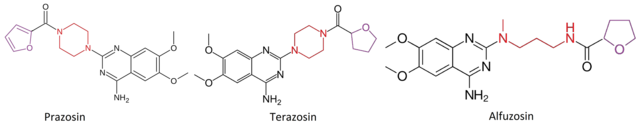
Alpha-blockers are medicines that are mainly used to treat high blood pressure (hypertension) and problems with passing urine in men who have enlargement of the prostate gland. Prostate gland enlargement is also called benign prostatic hyperplasia (BPH).
by Dr Doug McKechnie, MRCGP
Frequently asked questions
Can I use nitrates to treat all kinds of chest pain?
Nitrates are specifically used to treat angina pains, which are caused by the blood vessels getting furred up. They work by relaxing blood vessel walls to improve blood flow to the heart. The article does not suggest they are effective for other causes of chest pain.
How quickly do short-acting nitrates relieve angina pain?
Short-acting nitrates, such as glyceryl trinitrate (GTN) tablets or sprays and isosorbide dinitrate, are used for the immediate relief of angina pains when they develop. They work quickly but lose their effect after about 20 minutes.
If I take a long-acting nitrate, do I still need the short-acting ones?
Yes, long-acting nitrates are used to help prevent frequent angina pains from developing. However, they take longer to start working and are not effective for immediate pain relief once angina has started. Short-acting nitrates are still needed for immediate relief.
Will nitrate side effects completely go away over time?
Common side effects like headaches, a flushed face, dizziness, lightheadedness, and slight nausea are often unpleasant but not serious. The article states that these symptoms often get better once you've been using the medicine for a few weeks, suggesting they may diminish but does not guarantee they will completely disappear for everyone.
What should I do if the burning sensation from the GTN spray under my tongue is very uncomfortable?
A slight burning or tingling sensation under the tongue is listed as a common side effect of the GTN spray. The article describes this as unpleasant but not serious, and notes that side-effects often improve after a few weeks of use. It does not provide specific advice on what to do if it's very uncomfortable beyond this.
Can I drink alcohol while taking nitrate medications?
The article mentions interactions with other medications, specifically sildenafil and similar erectile dysfunction drugs, due to potential dangerously low blood pressure. However, it does not provide specific information or warnings about the consumption of alcohol while taking nitrate medications.
Further reading and references
- British National Formulary (BNF); NICE Evidence Services (UK access only)
- Management of stable angina; Scottish Intercollegiate Guidelines Network - SIGN (April 2018)
- Angina; NICE CKS, October 2022 (UK access only)
About the authorView full bio

Dr Hayley Willacy, FRCGP
General Practitioner, Medical Author
MBChB (1992), DRCOG, DFFP, MRCOG (Part 1) MRCGP (2007), DFSRH (2013), MSc - medical education (2020)
Dr Hayley Willacy was an NHS GP working in northwest England, who retired from clinical practice in 2022 after 30 years.
About the reviewerView full bio

Dr Doug McKechnie, MRCGP
Medical Writer
MA, MBBS, MSc, DRCOG, MRCP(UK), MRCGP(2021), FHEA
Dr Doug McKechnie is an NHS GP working in London. He works full-time clinically and is also the Deputy Lead for the Clinical and Professional Practice module at University College London Medical School.
Article history
The information on this page is written and peer reviewed by qualified clinicians.
Article also available in English, German, Spanish, French, Italian, Portuguese, Hindi, Hebrew, Arabic, and Swedish.
Next review due: 25 Feb 2028
26 Feb 2023 | Latest version
Join the conversation
Share your thoughts or experiences with others in our patient communities.

Ask, share, connect.
Browse discussions, ask questions, and share experiences across hundreds of health topics.

Feeling unwell?
Assess your symptoms online for free
Sign up to the Patient newsletter
Your weekly dose of clear, trustworthy health advice - written to help you feel informed, confident and in control.
By subscribing you accept our Privacy Policy. You can unsubscribe at any time. We never sell your data.
More in treatment and medication
- Aspirin and other antiplatelet medicines
- Atrial fibrillation and stroke prevention
- BCG immunisation
- Cannabis-based medicinal products
- Chemotherapy
- Cholera vaccine
- Colposcopy and cervical treatments
- Controlled breathing
- Free or reduced cost prescriptions
- Head lice treatment and prevention
- Medicines to keep at home
- Nausea medicine
- Potassium-sparing diuretics
- Refer yourself to NHS drug and alcohol support services
- Refer yourself to NHS stop smoking services
- Self-referral
- Statins and other lipid-lowering medicines
- Topical steroids
- Topical steroids for eczema
- Use of oxygen therapy in COPD