COVID-19 वेरिएंट पिरोला के लक्षण क्या हैं?
द्वारा सहकर्मी समीक्षा की गई Dr Krishna Vakharia, MRCGPद्वारा लिखित लिडिया स्मिथमूल रूप से प्रकाशित 9 अक्टूबर 2023
मरीज की संपादकीय दिशानिर्देशों
- डाउनलोडडाउनलोड
- साझा करें
- Language
- चर्चा
- ऑडियो संस्करण
- Google पर पसंदीदा स्रोतों में जोड़ें
Cases of COVID-19 are on the rise, fuelled by the spread of a new variant called Pirola. But how can you tell if you have the virus - and should you isolate yourself?
The UK Health Security Agency (UKHSA) has launched a new कोविड-19 and flu dashboard following an increase in the number of infected patients in hospitals in the UK.
According to the dashboard, there were more than 11,000 positive COVID-19 cases reported in England in the week leading up to and including 20 September 20231. However, although cases are on the rise, they are not as high as they were this time in 2022.
The rise in new cases has been linked to the COVID-19 variant BA.2.86, which is also known as Pirola. It is a sub-variant of ओमिक्रॉन and has more than 30 mutations in its spike protein, compared with other Omicron variants. This means it may spread more easily, as the spike protein is how the virus enters human cells.
The UKHSA said Pirola has been identified in most regions, but added that vaccination offered protection against serious illness caused by the coronavirus.
Professor Susan Hopkins, chief medical advisor of the UKHSA said in a statement:
"The autumn vaccination programme has started and this new data shows once again how important it is that the most vulnerable among us are fully vaccinated in order to receive the greatest possible protection. I urge everyone eligible to come forward for their next dose as soon as they are called."
What are the symptoms of Pirola?
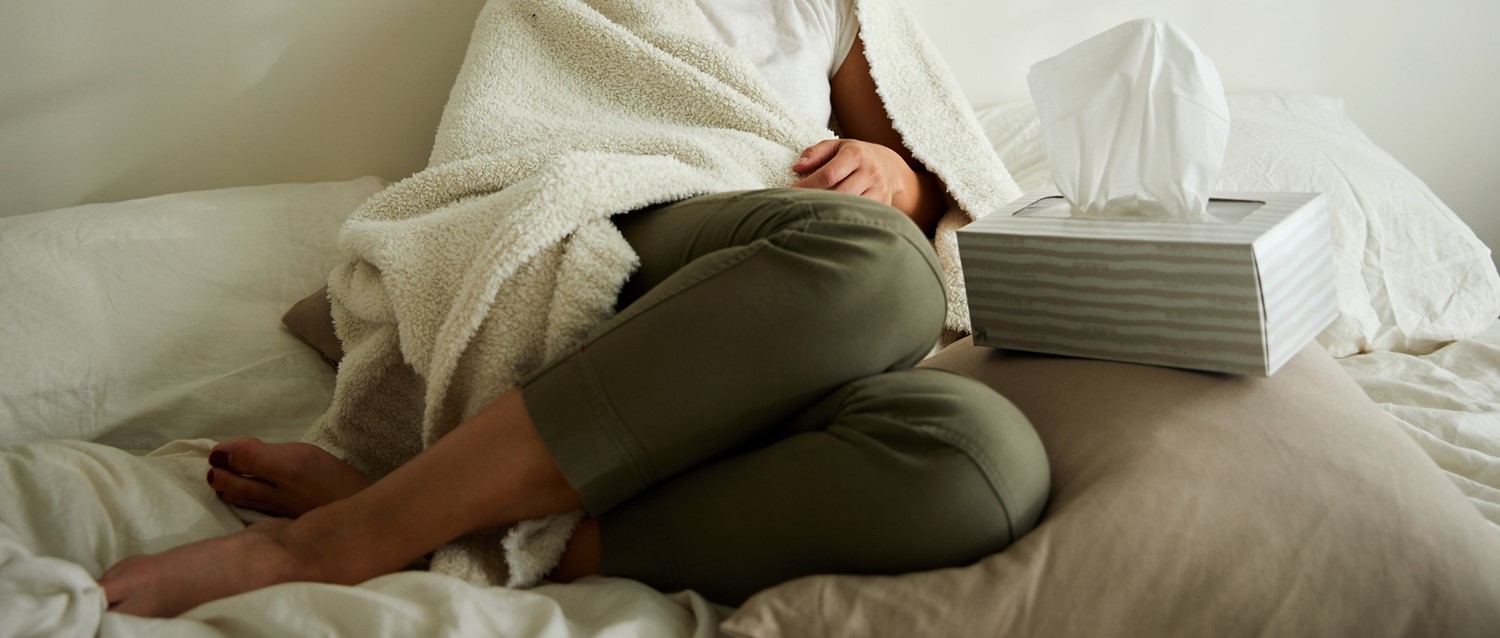
The most common symptoms include: Sneezing, गले में खराश, सिरदर्द, थकान, high temperature, a runny nose, changes to your sense of taste या smell.
Less common symptoms include: त्वचा पर चकत्ते, changes in the mouth or tongue - such as ulcers or soreness - sore fingers or toes, दस्त and itchy eyes2.
Should you self-isolate if you have COVID-19?
If you or your child have tested positive for कोविड-19, you should try to stay at home and avoid contact with other people for 3 days after the day the test was taken if you are under 18.
If you’re over 18, you should try to stay at home and avoid contact with other people for 5 days after the day you took your test.
It’s important to avoid meeting people who are more likely to get seriously ill from viruses -such as the elderly or people with a weakened immune system - for 10 days after the day you took your test.
Where to get a COVID-19 test
Some people are eligible for free कोविड-19 lateral flow tests.
You may be able to get free COVID-19 tests if:
You have a certain health condition and are eligible for COVID-19 treatment on the NHS. For example, if you have a weakened immune system, HIV or AIDS, डाउन सिंड्रोम, severe liver disease or if you are receiving treatment for कैंसर.
You work in healthcare or in a hospice.
If you aren't eligible for free COVID-19 tests, you can buy them at a pharmacy.
अधिक पढ़ें
रोगी के लिए चयन वेरिएंट्स की जानकारी

कोविड-19
क्या आपको भारतीय COVID-19 वेरिएंट के बारे में चिंता करनी चाहिए?
पिछले महीनों की तुलना में मामलों, अस्पताल में भर्ती होने और मौतों में कमी के बाद लॉकडाउन प्रतिबंधों में ढील के बावजूद, यूके में COVID-19 का खतरा बना हुआ है। महामारी के दौरान वायरस के विभिन्न प्रकार उभरे हैं - विशेष रूप से केंट, दक्षिण अफ्रीकी और ब्राज़ीलियाई प्रकार - और अब एक नया चिंताजनक प्रकार उभरा है, जो भारत में उत्पन्न हुआ है।.
मिली इवांस द्वारा
कोविड-19
COVID-19: ओमिक्रॉन कितना संक्रामक है?
नवंबर 2021 के अंत में COVID-19 का एक नया प्रकार खोजा गया। इसे ओमिक्रॉन नाम दिया गया (और वैज्ञानिक रूप से B.1.1.529 के रूप में जाना जाता है), इस प्रकार की पहचान दक्षिण अफ्रीकी मेडिकल एसोसिएशन की डॉ. एंजेलिक कोएट्ज़ी द्वारा की गई। हम अभी भी शुरुआती चरण में हैं, और फिलहाल ओमिक्रॉन प्रकार के बारे में ज्यादा जानकारी नहीं है - हर दिन नई जानकारी सामने आ रही है। हालांकि, हम यह पता लगा सकते हैं कि यह कितना संक्रामक हो सकता है, और हम इसके खिलाफ खुद को कैसे सुरक्षित रख सकते हैं।.
एमिली जेन बैशफोर्थ द्वारा
लेखक के बारे मेंपूरा जीवन परिचय देखें

Lydia Smith
विशेष लेखक
बीए, एमए, एमएससी
लिडिया स्मिथ एक पुरस्कार विजेता पत्रकार और फीचर लेखिका हैं जिन्होंने महिलाओं के स्वास्थ्य और मानसिक स्वास्थ्य पर व्यापक रूप से लिखा है। वह वर्तमान में मनोविज्ञान में एमएससी की पढ़ाई कर रही हैं।.
समीक्षक के बारे मेंपूरा जीवन परिचय देखें

Dr Krishna Vakharia, MRCGP
स्वास्थ्य के लिए मुख्य चिकित्सा अधिकारी, ऑप्टम यूके
MBChB, MRCGP(2013), BMedSci (hons), DFSRH, DRCOG, PGDipDerm (Distn)
डॉ. कृष्णा वखारिया एक एनएचएस जीपी हैं। वह कार्डिफ विश्वविद्यालय में प्रैक्टिकल डर्मेटोलॉजी में स्नातकोत्तर डिप्लोमा के लिए नियमित परीक्षक भी हैं और साथ ही ऑप्टम यूके में स्वास्थ्य के लिए मुख्य चिकित्सा अधिकारी भी हैं।.
लेख का इतिहास
इस पृष्ठ की जानकारी योग्य चिकित्सकों द्वारा सहकर्मी समीक्षा की गई है।.
लेख इन भाषाओं में भी उपलब्ध है अंग्रेज़ी, जर्मन, स्पेनिश, फ्रेंच, इतालवी, पुर्तगाली, हिंदी, हिब्रू, अरबी, और स्वीडिश.
9 अक्टूबर 2023 | मूल रूप से प्रकाशित
द्वारा लिखित:
Lydia Smithद्वारा सहकर्मी समीक्षा की गई
Dr Krishna Vakharia, MRCGP

पूछें, साझा करें, जुड़ें।.
चर्चाओं को ब्राउज़ करें, प्रश्न पूछें, और सैकड़ों स्वास्थ्य विषयों पर अनुभव साझा करें।.

अस्वस्थ महसूस कर रहे हैं?
अपने लक्षणों का ऑनलाइन मुफ्त में मूल्यांकन करें
पेशेंट न्यूज़लेटर के लिए साइन अप करें
आपकी साप्ताहिक खुराक स्पष्ट, विश्वसनीय स्वास्थ्य सलाह की - जो आपको सूचित, आत्मविश्वासी और नियंत्रण में महसूस करने में मदद करने के लिए लिखी गई है।.
सदस्यता लेने पर आप हमारी स्वीकार करते हैं गोपनीयता नीति. आप किसी भी समय सदस्यता समाप्त कर सकते हैं। हम कभी भी आपका डेटा नहीं बेचते।.
COVID-19 में अधिक
- क्या नए COVID-19 स्वाब परीक्षण सटीक हैं?
- क्या हम एक और महामारी के लिए तैयार हैं?
- क्या COVID वैक्सीन मासिक धर्म चक्र को प्रभावित कर सकती है?
- COVID-19: इस क्रिसमस सुरक्षित कैसे रहें
- COVID-19: विशेषज्ञ कब भविष्यवाणी करते हैं कि जीवन सामान्य हो जाएगा?
- COVID-19: आपको कब लेटरल फ्लो टेस्ट करना चाहिए और कब पीसीआर?
- फ्लूरोना: COVID-19 और फ्लू के संयुक्त संक्रमण के बारे में हम क्या जानते हैं
- क्या महामारी का बच्चों के मोटापे पर प्रभाव पड़ा है?
- COVID-19 महामारी के दौरान विश्वविद्यालय छात्रों का समर्थन कैसे कर रहे हैं?
- लंबे समय तक COVID आपके मानसिक स्वास्थ्य को कैसे प्रभावित कर सकता है?
- लॉकडाउन जीवनशैली को बनाए रखने के तरीके
- इस सर्दी में COVID-19 से बचाव के लिए सुरक्षित रूप से वेंटिलेशन कैसे करें
- क्या COVID-19 महामारी के दौरान शराब से होने वाली मौतों में वृद्धि हुई है?
- पूरी तरह 'सामान्य नहीं': महामारी के बाद परिवारिक उपचार के लिए एक मार्गदर्शिका
- क्या आपको भारतीय COVID-19 वेरिएंट के बारे में चिंता करनी चाहिए?
- अक्टूबर 2023 के लिए स्कूल के COVID नियम क्या हैं?
- हम नए COVID-19 वेरिएंट्स एरिस और पिरोला के बारे में क्या जानते हैं
- गर्भावस्था में महिलाएं COVID-19 के प्रति इतनी संवेदनशील क्यों होती हैं?
- क्यों यह एक अच्छी बात है अगर आपको COVID-19 बूस्टर जैब के बाद अस्वस्थ महसूस होता है