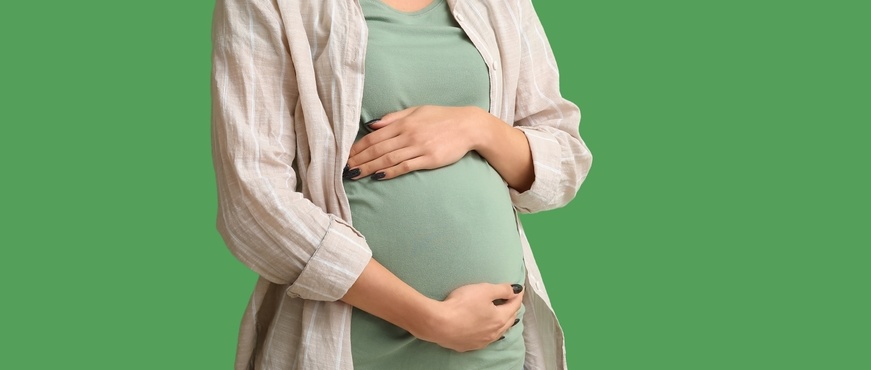
प्री-एक्लेम्प्सिया क्या है और यह गर्भवती महिलाओं को कैसे प्रभावित कर सकता है?
द्वारा सहकर्मी समीक्षा की गई Dr Colin Tidy, MRCGPद्वारा अंतिम अपडेट Lawrence Higginsअंतिम अद्यतन 7 Mar 2026
मरीज की संपादकीय दिशानिर्देशों
- डाउनलोडडाउनलोड
- साझा करें
- Language
- चर्चा
- ऑडियो संस्करण
- Google पर पसंदीदा स्रोतों में जोड़ें
प्री-एक्लेम्पसिया एक ऐसी स्थिति है जो गर्भावस्था में रक्तचाप को प्रभावित करती है, लेकिन हर 100 में से 6 महिलाओं के इसे अनुभव करने के बावजूद, हम अभी भी नहीं जानते कि इसका कारण क्या है। यहाँ हम इसके प्रभावों और दीर्घकालिक स्वास्थ्य के लिए इसके क्या मायने हैं, इस पर नज़र डालते हैं।.
हमारे मुफ्त 8-सप्ताह के स्वस्थ गर्भावस्था कोर्स के लिए साइन अप करें!
हर सप्ताह हम पोषण, व्यायाम, मानसिक स्वास्थ्य, ध्यान देने योग्य लक्षण, और प्रसव की तैयारी जैसे विषयों पर उपयोगी जानकारी और आवश्यक सुझाव साझा करेंगे, ताकि आपकी गर्भावस्था यात्रा के किसी भी चरण में आपकी मदद हो सके।.
सदस्यता लेने पर आप हमारी स्वीकार करते हैं गोपनीयता नीति. आप किसी भी समय सदस्यता समाप्त कर सकते हैं। हम कभी भी आपका डेटा नहीं बेचते।.
प्री-एक्लेम्प्सिया क्या है?
Deirdre de Barra, head of pregnancy information at the pregnancy charity Tommy’s, explains that प्री-एक्लेम्प्सिया is a ‘hypertensive disorder’ - which combines raised blood pressure and often protein in the pee and problems with the गुर्दे or liver.
"These symptoms will not be obvious to you and you will not know if you have them. However, they are picked up in your routine appointments through the रक्तचाप checks and pee tests," she says.
"Pre-eclampsia usually affects women during the second half of pregnancy or soon after the baby is delivered."
Symptoms of pre-eclampsia include:
Swollen ankles. feet, face and hands.
गंभीर सिरदर्द।.
Problems with vision.
Around 6 in 100 people have a mild version of प्री-एक्लेम्प्सिया, but 2 in 100 have a severe form.
It can lead to serious complications for both mother and baby if not monitored or treated. “If pre-eclampsia is severe, it can start to affect other systems in the body - but these complications are rare,” says De Barra.
What causes pre-eclampsia?
Despite pre-eclampsia being relatively common, we still don’t fully understand what causes the condition. It is thought to happen when there’s a problem with the placenta - an organ that develops in the womb during गर्भावस्था. The placenta moves oxygen, nutrients, and antibodies from your blood to your baby, and pre-eclampsia may develop when the blood supply to the placenta is weaker.
A large-scale study called POPPY involving up to 3,500 first-time mums was launched in 2023 - and still ongoing - to find out more about pre-eclampsia. Women are being monitored before, during and after their गर्भावस्था to see what factors might be influencing the health of their placenta.
Dr Bernadette Jenner, a medical registrar in obstetric medicine at Cambridge University Hospitals NHS Foundation Trust who is leading the POPPY study in Cambridge, said:
"This study is the first of its kind, monitoring thousands of women before they become pregnant for the first time and tracking them through their pregnancies to try and discover why some develop placental conditions and others don’t," she says.
"We also hope to find out whether or not these conditions trigger longer-term health issues such as हृदय रोग और मधुमेह. Our lack of knowledge and understanding about placental conditions is really poor, especially when you consider how common they are, and the serious impact they can have on women and babies, which at times is life-threatening."
De Barra adds that like many pregnancy complications and broader ‘women’s health issues’, pre-eclampsia research has not seen the financial investment and attention it deserves. "However, our understanding of pre-eclampsia, how it develops and who is at highest risk has progressed in recent years," she explains.
"For example, as a result of the Tommy’s PARROT trial a quick, accurate, simple blood test is now available that can screen for pre-eclampsia risk. It measures levels of a protein called placental growth factor. If you're between 20 weeks and 36 weeks and 6 days (36+6) pregnant, and your doctors think you may have pre-eclampsia, they may offer you this blood test to help rule out pre-eclampsia."
Who is at higher risk of developing pre-eclampsia?
उच्च रक्तचाप, मधुमेह, autoimmune conditions, age, and having मोटापा before pregnancy can increase the risk of pre-eclampsia and placental dysfunction, but it’s unclear exactly why and whether there are other causes. This is something the POPPY study is exploring.
"Others who have a slightly raised risk include women and birthing people over 40, those with a higher बीएमआई, those who are expecting more than one baby, those having a first pregnancy or a pregnancy when their last one was more than 10 years ago, and people with a family member who has had pre-eclampsia," says De Barra.
Can pre-eclampsia affect someone’s long-term health?
Having pre-eclampsia increases the risk of developing उच्च रक्तचाप, हृदय रोग और स्ट्रोक in later life, and also raises the risk of having it again in a future pregnancy.
But it’s not clear however whether placental complications cause heart disease and diabetes directly, or whether these conditions happen in women who already have underlying or unknown health issues before pregnancy.
"However, healthy lifestyle changes like avoiding धूम्रपान, व्यायाम करना, eating a balanced आहार and maintaining a healthy weight will help reduce this risk," De Barra says.
How is pre-eclampsia treated?
Fleur Parker, an NCT Practitioner and antenatal educator, pre-eclampsia is usually resolved with the baby’s birth, although treatment doesn’t usually end straight away.
After being diagnosed, you’ll be assessed by a specialist and given the necessary treatment. If you have pre-eclampsia, you'll be closely monitored until it's possible to deliver the baby. You may be advised to have your baby at the 37th or 38th week of pregnancy, which may mean you need to be induced - have labour brought on artificially - or need to have a सीजेरियन सेक्शन. Delivering your baby early reduces the risk of complications from pre-eclampsia.
"After having your baby, a longer hospital stay may be required so your blood pressure can be monitored, and medication may be prescribed if necessary," she says. "People with pre-eclampsia are often home and recovering well after a couple of weeks in my experience."
If you’re worried about your health at any point during pregnancy - or if you’re concerned about any changes in your wellbeing - it’s essential to speak to your midwife or your doctor.
रोगी के लिए चयन जटिलताएँ

गर्भावस्था
गर्भावस्था में मुंहासे: क्यों होते हैं और कैसे करें इलाज
We all know the stereotype of the radiant expectant mother, with her glowing, picture-perfect, clear skin, but the reality of unpredictable pregnancy hormones can be somewhat different. For women affected by adult acne, not knowing how their skin will react - or how to keep it under control without many of the most commonly prescribed treatments - may be a concern during pregnancy or when planning to conceive. But there are a number of safe options to keep pregnancy acne at bay.
सारा ग्राहम द्वारा

गर्भावस्था
क्या गर्भावस्था के दौरान मिर्गी की दवा लेना सुरक्षित है?
हन्ना* को पहली बार 13 साल की उम्र में उसके मिर्गी को नियंत्रित करने के लिए सोडियम वेलप्रोएट दिया गया था। "उस समय, मुझे किसी भी जोखिम के बारे में नहीं बताया गया था और फिर मैं 16 साल की उम्र में गर्भवती हो गई," वह कहती हैं। "गर्भावस्था चार महीने में गर्भपात हो गई, बच्चे में गंभीर असामान्यताओं के कारण, जो मेरी दवा के कारण हुई थीं।" 20 से अधिक वर्षों के बाद, पिछले महीने यूके दवा नियामक एमएचआरए ने प्रजनन आयु की महिलाओं और लड़कियों को सोडियम वेलप्रोएट देने पर प्रतिबंध की घोषणा की, जब तक कि वे एक फॉर्म पर हस्ताक्षर नहीं करते कि वे जोखिमों को समझते हैं।.
सारा ग्राहम द्वारा
लेखक के बारे मेंपूरा जीवन परिचय देखें

Lydia Smith
विशेष लेखक
बीए, एमए, एमएससी
लिडिया स्मिथ एक पुरस्कार विजेता पत्रकार और फीचर लेखिका हैं जिन्होंने महिलाओं के स्वास्थ्य और मानसिक स्वास्थ्य पर व्यापक रूप से लिखा है। वह वर्तमान में मनोविज्ञान में एमएससी की पढ़ाई कर रही हैं।.
समीक्षक के बारे मेंपूरा जीवन परिचय देखें

Dr Colin Tidy, MRCGP
सामान्य चिकित्सक, चिकित्सा लेखक
MBBS, MRCGP, MRCP (Paediatrics), DCH
डॉ. कॉलिन टिडी एक एनएचएस डॉक्टर हैं, जो ऑक्सफोर्डशायर में स्थित हैं।.
लेख का इतिहास
इस पृष्ठ की जानकारी योग्य चिकित्सकों द्वारा सहकर्मी समीक्षा की गई है।.
लेख इन भाषाओं में भी उपलब्ध है अंग्रेज़ी, जर्मन, स्पेनिश, फ्रेंच, इतालवी, पुर्तगाली, हिंदी, हिब्रू, अरबी, और स्वीडिश.
Next review due: 7 Mar 2029
7 Mar 2026 | नवीनतम संस्करण
22 Sept 2023 | मूल रूप से प्रकाशित
द्वारा लिखित:
Lydia Smith

पूछें, साझा करें, जुड़ें।.
चर्चाओं को ब्राउज़ करें, प्रश्न पूछें, और सैकड़ों स्वास्थ्य विषयों पर अनुभव साझा करें।.

अस्वस्थ महसूस कर रहे हैं?
अपने लक्षणों का ऑनलाइन मुफ्त में मूल्यांकन करें
पेशेंट न्यूज़लेटर के लिए साइन अप करें
आपकी साप्ताहिक खुराक स्पष्ट, विश्वसनीय स्वास्थ्य सलाह की - जो आपको सूचित, आत्मविश्वासी और नियंत्रण में महसूस करने में मदद करने के लिए लिखी गई है।.
सदस्यता लेने पर आप हमारी स्वीकार करते हैं गोपनीयता नीति. आप किसी भी समय सदस्यता समाप्त कर सकते हैं। हम कभी भी आपका डेटा नहीं बेचते।.
गर्भावस्था में अधिक
- क्या आप गोली पर ब्रेकथ्रू ब्लीडिंग को रोक सकते हैं?
- क्या आपका आहार और जीवनशैली प्रजनन क्षमता को सुधार सकते हैं?
- गोलियाँ प्राप्त करने के आसान तरीके: जीपी सर्जरी के अलावा विकल्प
- अपने दूसरे बच्चे से पहले कितना इंतजार करें
- कैसे आपकी जीवनशैली कम शुक्राणु संख्या का कारण हो सकती है
- क्या 'बेबी ब्रेन' एक वास्तविक चिकित्सा स्थिति है?
- मॉर्निंग आफ्टर पिल से जुड़े मिथकों का पर्दाफाश
- गर्भावस्था के लक्षण - कब कार्रवाई करें
- प्रजनन उपचार के दौरान अपने मानसिक स्वास्थ्य की सुरक्षा
- क्या आपको आपातकालीन गर्भनिरोधक के लिए तांबे की कॉइल पर विचार करना चाहिए?
- यदि आप गर्भवती हैं तो छुट्टी पर किन खाद्य और पेय पदार्थों से बचें
- महिला कंडोम के फायदे और नुकसान
- वीडियो: PID प्रजनन क्षमता को कैसे प्रभावित करता है?
- वीडियो: पीसीओएस प्रजनन क्षमता को कितना प्रभावित करता है?
- प्रसवोत्तर पिलाटेस के क्या लाभ हैं?
- जन्म नियंत्रण के बाद का सिंड्रोम क्या है?
- प्रसव के बाद गर्भनिरोध के बारे में क्या करें
- गर्भपात की जांच कब करें
- गर्भावस्था रोकने के लिए कौन से प्रकार के कंडोम सबसे अच्छे हैं?
- अंडे फ्रीजिंग का चलन क्यों बढ़ रहा है और क्या यह सुरक्षित है?